
كيف أقرأ عن الأثر الباقي من غير أن أتوقف عند الفكرة؟
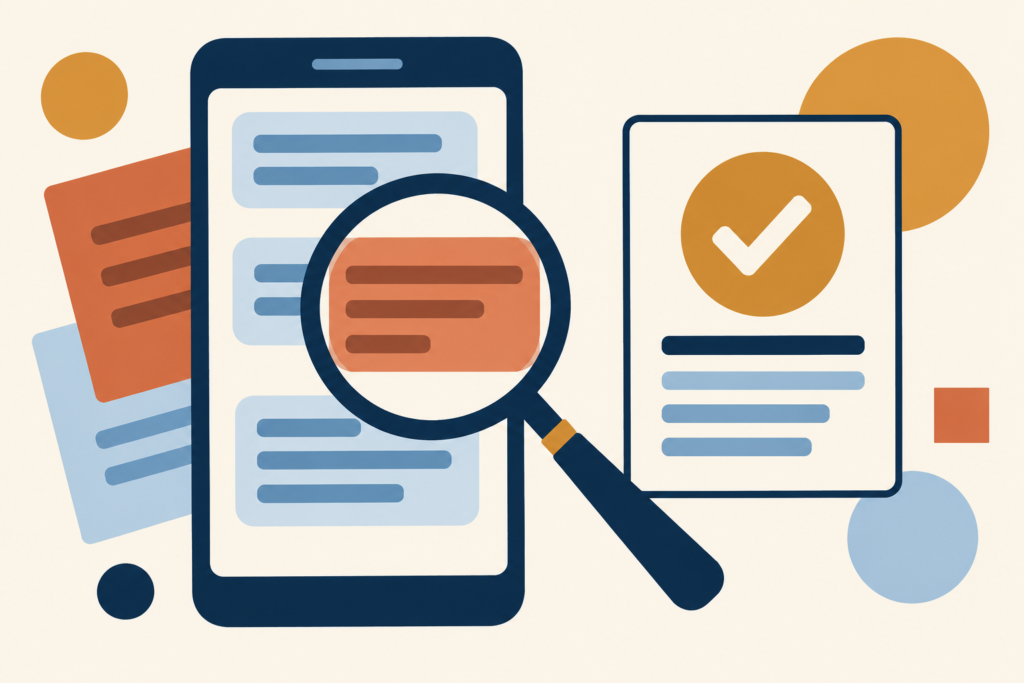
Wie prüfst du, ob eine Nachricht stimmt?
Eine Übung für 13- bis 18-Jährige. Du brauchst nur Papier und einen Stift.
In eurer Freundesgruppe kommt eine Nachricht an: „Der Lesewettbewerb morgen fällt aus. Sagt allen Bescheid!“ Dazu gibt es ein Bild mit dem Logo der Bibliothek. Das Datum der Ankündigung fehlt.
Du wolltest zum Wettbewerb gehen. Änderst du jetzt deine Pläne? Leitest du die Nachricht weiter?
Warte kurz. Das Bild könnte alt sein oder einen anderen Wettbewerb betreffen. Öffne die dir bekannte Seite der Bibliothek und suche nach der Ankündigung. Findest du keine klare Antwort, frage die zuständige Person über einen Kontaktweg, den du oder deine Familie bereits kennen.
Bis dahin kannst du sagen: „Ich habe eine Nachricht bekommen, dass der Wettbewerb ausfällt. Ich habe aber noch nicht geprüft, ob das stimmt.“
Diese Situation und die folgenden Beispiele sind für die Übung erfunden. Du lernst, wo du nachsehen kannst, wann du eine Nachricht weitergibst und wie du einen bereits verbreiteten Fehler korrigierst.
Ehrlich sein – auch beim Weiterleiten
Der Koran lehrt uns, nicht dem zu folgen, worüber wir kein Wissen haben. Das ist eine sinngemäße Wiedergabe eines Teils von Vers 36 der Sure Al-Isra, nicht der arabische Wortlaut.[1]
Manchmal geben Menschen falsche Informationen weiter, weil sie helfen möchten. Deshalb müssen wir prüfen, bevor wir sagen: „So ist es passiert.“ „Das weiß ich noch nicht“ ist eine ehrliche Antwort. Dafür musst du dich nicht schämen.
Die folgenden Schritte helfen bei Alltagsnachrichten, etwa zu Veranstaltungen oder Mitteilungen von Schule und Bibliothek.
Probiere es zuerst selbst
Stell dir vor, vier Konten teilen dasselbe Bild: „Das Clubtreffen findet jetzt am Abend statt.“ Das Datum des Treffens steht nicht dabei.
Beantworte schriftlich:
- Reicht das Bild aus, um deine Ankunftszeit zu ändern? Warum?
- Wo suchst du nach der richtigen Uhrzeit?
Hebe deine Antworten auf. Am Ende schaust du sie dir noch einmal an.
Schritt 1: Was genau möchtest du prüfen?
Formuliere deine Frage, bevor du suchst. Im Beispiel lautet sie: „Wurde der für morgen geplante Lesewettbewerb abgesagt?“
Achte auf den Namen der Veranstaltung, Datum, Uhrzeit und Ort. Wird ein Zeichenkurs abgesagt, heißt das nicht, dass auch der Lesewettbewerb ausfällt. Schließt eine Bibliotheksfiliale, sind nicht automatisch alle geschlossen.
Unterscheide außerdem zwischen einer überprüfbaren Aussage und einer Meinung. „Der Wettbewerb beginnt um fünf“ lässt sich prüfen. „Das ist der schönste Wettbewerb“ ist eine Meinung.
Schritt 2: Wer hat es angekündigt?
Suche bei der verantwortlichen Stelle. Bei der Bibliothek beginnst du mit der bekannten Seite oder der für die Veranstaltung zuständigen Person. Ein Logo auf einem Bild beweist nicht, dass die Bibliothek es veröffentlicht hat.
Lies die ganze Ankündigung und frage:
- Wann wurde sie veröffentlicht?
- Geht es um meine Veranstaltung?
- Stimmen Ort und Termin überein?
- Gibt es eine spätere Mitteilung, die Uhrzeit oder Entscheidung ändert?
Findest du keine Bestätigung, sage: „Ich konnte die Nachricht noch nicht bestätigen.“ Dass du eine Ankündigung nicht findest, beweist für sich allein nicht, dass die Nachricht falsch ist.
Nutze eine dir bekannte Webadresse. Klicke nicht auf unbekannte Links in Nachrichten. Gib niemandem dein Passwort oder persönliche Daten, nur weil diese angeblich zur Überprüfung gebraucht werden.
Schritt 3: Schreiben alle voneinander ab?
Du siehst eine Nachricht auf fünf Konten und denkst: Fünf Leute haben sie überprüft. Vielleicht haben aber alle denselben Beitrag kopiert.
Ein Konto veröffentlicht zum Beispiel das Bild einer Ankündigung, vier weitere teilen es. Du siehst ein einziges Bild fünfmal. Ob jemand bei der Bibliothek nachgefragt hat, weißt du noch nicht.
Frage: „Wer hat das zuerst veröffentlicht? Liefern die anderen Konten zusätzliche Informationen?“
Kennst du die Website nicht, suche ihren Namen in anderen Quellen, die du kennst und denen du vertraust. Verlass dich nicht nur auf die Selbstaussage „Wir sind vertrauenswürdig“. Was andere Stellen über eine Website sagen, kann bei ihrer Überprüfung helfen.[2]
Schritt 4: Was machst du jetzt?
Entscheide passend zu dem, was du herausgefunden hast:
| Was du gefunden hast | Was du sagen oder tun kannst |
|---|---|
| Eine klare Absage der Bibliothek für diesen Wettbewerb | „Die Bibliothek hat den Wettbewerb abgesagt.“ Schicke die Ankündigung den Betroffenen. |
| Ein Bild ohne Datum, aber keine ursprüngliche Ankündigung | „Ich habe es noch nicht bestätigt.“ Warte mit dem Weiterleiten. |
| Eine Mitteilung zu einer anderen Veranstaltung | „Das betrifft den Zeichenkurs, nicht den Lesewettbewerb.“ |
| Eine alte Ankündigung und danach eine neue Mitteilung derselben Stelle zur selben Veranstaltung | Nenne die aktualisierte Uhrzeit und teile die neue Mitteilung. |
Auch wahre Informationen darfst du nicht einfach immer weitergeben. Teile keine privaten Informationen über andere. Wenn jemand einen Mitschüler beschuldigt, leite die Anschuldigung nicht an eine andere Gruppe weiter, um zu fragen, ob sie stimmt. Bitte bei Bedarf einen Elternteil oder eine vertraute Lehrkraft um Hilfe.
Für 13–15 Jahre: Fällt der Wettbewerb aus?
Du bist für einen Lesewettbewerb morgen, Donnerstag, angemeldet. Heute ist Mittwoch. Alle folgenden Angaben beziehen sich auf dieselbe Woche.
Nachricht 1: Auf einem Bild steht: „Der Lesewettbewerb morgen fällt aus.“ Weder der Name der Bibliothek noch das Veröffentlichungsdatum sind zu sehen.
Nachricht 2: Ein Freund sagt: „Ich habe das Bild in zwei Gruppen gesehen. Also muss es stimmen.“
Ankündigung 3: Die Bibliothek hat heute auf ihrer bekannten Seite geschrieben: „Der Lesewettbewerb morgen, Donnerstag, findet wie geplant statt. Das verbreitete Absagebild betrifft den Wettbewerb vom letzten Monat.“
Beantworte:
- Welche Ankündigung beantwortet deine Frage zu morgen?
- Warum bestätigen zwei Gruppen mit demselben Bild noch keine Absage?
- Schreibe deinem Freund kurz, was du herausgefunden hast, ohne ihm Vorwürfe zu machen.
Für 16–18 Jahre: Beweist eine Werbung ihr Versprechen?
Eine Werbung für einen Schnelllesekurs behauptet: „Alle, die unseren Kurs besucht haben, lesen jetzt schneller.“ Zwei Konten wiederholen den Satz und verlinken dieselbe Werbung.
Die Werbung nennt weder die Zahl der Teilnehmenden noch die Messmethode vor und nach dem Kurs. Auch steht dort nicht, ob die Teilnehmenden weiterhin verstanden haben, was sie lasen.
Beantworte:
- Liefern die beiden Konten neue Informationen oder wiederholen sie nur den Kursanbieter?
- Was müsstest du wissen, bevor du einem Freund sagst, das Ergebnis sei bestätigt?
- Beweist die fehlende Information, dass der Anbieter lügt?
- Schreibe drei Sätze: Was behauptet die Werbung? Was erklärt sie nicht? Wirst du ihr Versprechen weitergeben?
Zusatzfrage: Welche Information könnte deine Einschätzung ändern? Warum?
Bleibe beim schriftlichen Beispiel. Du musst keinen Kurs kaufen, keine Website kontaktieren und keine Daten eingeben.
Abschlussübung: Eine neue Uhrzeit
Am Montag kündigt der Club an: Der Workshop am Donnerstag beginnt um 16 Uhr. Am Dienstag veröffentlicht er auf seiner bekannten Seite: „Der Workshop an diesem Donnerstag beginnt nun um 17 Uhr statt um 16 Uhr.“
Am Mittwoch schicken dir zwei Freunde die alte Ankündigung vom Montag. Beide Mitteilungen betreffen denselben Workshop, am selben Ort und in derselben Woche.
Beantworte:
- Wann beginnt der Workshop nach den vorliegenden Informationen?
- Warum hast du diese Uhrzeit gewählt?
- War die Montagsankündigung bei ihrer Veröffentlichung falsch?
- Was schreibst du deinen Freunden, um die Änderung zu erklären?
Lies deine Antworten vom Anfang. Kannst du jetzt besser erkennen, welche Information fehlt und wo du nachsehen musst?
Was, wenn du schon etwas Falsches geteilt hast?
Korrigiere den Fehler dort, wo du die Nachricht geteilt hast. Zum Beispiel:
Ich habe gerade geschrieben, dass der Wettbewerb ausfällt. Inzwischen habe ich herausgefunden, dass das Bild einen früheren Wettbewerb betrifft. Laut Bibliothek findet der Wettbewerb morgen statt. Entschuldigt den Fehler. Hier ist die richtige Ankündigung.
Einige Freunde haben vielleicht die erste Nachricht gelesen. Informiere sie deshalb über die Korrektur, auch wenn du die alte Nachricht löschst. Enthält der Fehler eine Anschuldigung oder private Informationen, wiederhole die schädlichen Einzelheiten nicht in der Korrektur. Bitte bei Bedarf eine erwachsene Vertrauensperson um Hilfe.
Dein Blatt vor dem Senden
Schreibe die Fragen ab und beantworte sie zu einem der Beispiele:
- Welche Nachricht möchte ich prüfen? …
- Wer hat sie veröffentlicht? Wo habe ich die Ankündigung gefunden? …
- Wann wurde sie veröffentlicht? Passen Ort und Termin? …
- Ergänzen andere Konten Informationen oder wiederholen sie dieselbe Ankündigung? …
- Was habe ich bestätigt? Was weiß ich noch nicht? …
- Teile ich die Nachricht, warte ich oder korrigiere ich etwas? Warum? …
Notiere keine Namen oder privaten Informationen deiner Mitschüler. Die Beispiele reichen zum Üben aus.
Hinweise für Eltern und pädagogische Fachkräfte
So führen Sie die Übung durch
Bereiten Sie Papier, einen Stift und die passende Altersübung vor. Internet ist nicht nötig. Lassen Sie die Jugendlichen zuerst selbst antworten. Zeigen Sie erst danach die Antwortvorschläge. Mündliche Antworten sind möglich, wenn Schreiben die Teilnahme erschwert.
Der folgende Vorschlag dauert etwa 40 Minuten und lässt sich auf zwei Treffen verteilen.
| Zeit | Ablauf |
|---|---|
| 5 Minuten | Einstieg lesen und die beiden Fragen unter „Probiere es zuerst selbst“ beantworten lassen. |
| 8 Minuten | Die vier Schritte am Bibliotheksbeispiel erklären. |
| 12 Minuten | Altersübung bearbeiten und Antworten besprechen. |
| 10 Minuten | Abschlussübung ohne Hilfe lösen lassen, dann die gewählte Uhrzeit begründen lassen. |
| 5 Minuten | Das Frageblatt ausfüllen und einen Schritt für den Alltag auswählen. |
Antwortvorschläge für das Gespräch
Einstieg: Das Bild reicht nicht aus, weil das Datum fehlt. Geeignet ist die Ankündigung des Clubs oder eine Rückfrage über einen bekannten Kontaktweg. Mehr geteilte Bilder ersetzen kein Datum.
13–15 Jahre: Ankündigung 3 betrifft morgen und erklärt die Verwechslung. Zwei Gruppen mit demselben Bild beweisen keine Überprüfung. Mögliche Antwort: „Ich habe bei der Bibliothek nachgesehen. Der Wettbewerb morgen findet statt. Das Bild betrifft den letzten Monat.“
16–18 Jahre: Die Konten wiederholen die Werbung. Benötigt werden Teilnehmerzahl, Messmethode für die Lesegeschwindigkeit, eine Prüfung des Textverständnisses und die tatsächlichen Ergebnisse. Fehlende Angaben beweisen keine Lüge, bestätigen aber auch kein Versprechen. Beispiel: „Die Werbung sagt, dass danach alle schneller gelesen haben. Sie erklärt nicht, wie das gemessen wurde. Ich werde das Versprechen nicht als bestätigte Tatsache teilen.“
Kommerzielle Werbung ist nicht automatisch falsch. Besprechen Sie die Belege. Selbst nachgewiesene Verbesserungen bei einigen Teilnehmenden beweisen nicht, dass alle gleich stark profitieren werden.
Abschlussübung: Beginn ist um 17 Uhr, weil der Club eine eindeutige Änderung für denselben Workshop veröffentlicht hat. Im Beispiel steht nicht, dass die Montagsankündigung falsch war: Der Termin wurde danach geändert. Mögliche Nachricht: „Der Club hat am Dienstag eine Änderung veröffentlicht. Beginn ist um 17 statt um 16 Uhr. Das Bild stammt aus der Zeit vor der Änderung.“
Woran erkennen Sie den Lernfortschritt?
Achten Sie auf vier Fähigkeiten: die konkrete Aussage benennen, eine passende Quelle finden, Datum und Veranstaltung beachten sowie die Entscheidung begründen.
Notieren Sie jeweils „selbstständig“, „mit Hilfe“ oder „braucht weitere Übung“. Bei Schwierigkeiten hilft eine gezielte Frage wie: „Wo steht das Datum?“ Das unterstützt die Auswahl der nächsten Übung, erlaubt aber kein allgemeines Urteil über die Fähigkeiten des Jugendlichen.
Nutzen Sie die vorgegebenen Beispiele statt privater Chats. Lassen Sie keine Gerüchte sammeln und nicht nach schädlichen Inhalten suchen. Bezeichnen Sie niemanden als naiv oder leichtgläubig. Einzelarbeit, Partnerarbeit und gemeinsames Lesen sind möglich.
Wählen Sie einige Tage später eine unbedenkliche öffentliche Mitteilung der Schule oder Bibliothek. Fragen Sie nach Quelle, Datum und Inhalt. Spezielle medizinische oder religiöse Fragen gehören zu qualifizierten Fachleuten; die Zahl der Beiträge liefert keine verlässliche Antwort.
Quellen
[1] Koran, Sure Al-Isra, 17:36: https://quran.com/17/36 . Oben wird der Sinn eines Auszugs wiedergegeben, nicht der ganze Vers.
[2] Digital Inquiry Group, Civic Online Reasoning: https://cor.inquirygroup.org/ . Die Fragen nach Urheber, Belegen und anderen Quellen dienten als Anregung. Beispiele und Übungen stammen von Madarej.
कैसे जाँचें कि खबर सही है?
13 से 18 वर्ष के किशोरों के लिए एक गतिविधि। आपको केवल कागज़ और कलम चाहिए।
दोस्तों के ग्रुप में एक संदेश आया: “कल की पठन प्रतियोगिता रद्द हो गई है। सबको बता दो।” साथ में पुस्तकालय के लोगो वाली एक तस्वीर है, लेकिन सूचना की तारीख दिखाई नहीं दे रही।
आप प्रतियोगिता में जाने वाले थे। क्या अब अपनी योजना बदल देंगे? क्या यह संदेश बाकी दोस्तों को भी भेज देंगे?
थोड़ा रुकिए। तस्वीर पुरानी हो सकती है या किसी दूसरी प्रतियोगिता की हो सकती है। पुस्तकालय का वह पेज खोलिए जिसे आप पहले से जानते हैं। वहाँ प्रतियोगिता की सूचना खोजिए। साफ जवाब न मिले तो गतिविधि के प्रभारी से संपर्क कीजिए। वही संपर्क माध्यम इस्तेमाल कीजिए जिसे आप या आपका परिवार पहले से जानते हों।
जब तक पुष्टि न हो, आप कह सकते हैं: “मुझे प्रतियोगिता रद्द होने का संदेश मिला है, लेकिन मैंने अभी इसकी पुष्टि नहीं की है।”
यह स्थिति और आगे के उदाहरण अभ्यास के लिए बनाए गए हैं। इनसे आप सीखेंगे कि खबर कहाँ जाँचनी है, कब साझा करनी है और पहले भेजी गई गलत जानकारी कैसे सुधारनी है।
बोलने में भी सच्चाई, साझा करने में भी
क़ुरआन हमें सिखाता है कि जिस बात का हमें ज्ञान नहीं, उसके पीछे न चलें। यह सूरह अल-इसरा की आयत 36 के एक अंश का भावार्थ है, मूल अरबी पाठ नहीं।[1]
कभी-कभी कोई व्यक्ति मदद करने के इरादे से गलत खबर आगे भेज देता है। इसलिए “ऐसा हुआ है” कहने से पहले जाँचना ज़रूरी है। “मुझे अभी नहीं पता” एक सच्चा जवाब है। इसे कहने में शर्म की बात नहीं।
आगे दिए कदम रोज़मर्रा की खबरों के लिए हैं, जैसे कार्यक्रम का समय या स्कूल और पुस्तकालय की सूचनाएँ।
पहले खुद कोशिश करें
कदम पढ़ने से पहले कल्पना कीजिए कि चार सोशल मीडिया अकाउंट ने एक ही तस्वीर साझा की है। उसमें लिखा है: “क्लब की बैठक अब शाम को होगी।” बैठक की तारीख नहीं दी गई है।
दो सवालों के जवाब लिखिए:
- क्या केवल यह तस्वीर देखकर आप अपने जाने का समय बदल देंगे? क्यों?
- सही समय जानने के लिए कहाँ देखेंगे?
अपने जवाब सँभालकर रखिए। गतिविधि के अंत में इन्हें फिर पढ़ेंगे।
पहला कदम: आप ठीक किस खबर की जाँच करना चाहते हैं?
खोजने से पहले अपना सवाल तय कीजिए। पुस्तकालय वाले उदाहरण में सवाल है: “क्या कल होने वाली पठन प्रतियोगिता रद्द हुई है?”
कार्यक्रम का नाम, समय और जगह देखिए। चित्रकला का कार्यक्रम रद्द होने का मतलब पठन प्रतियोगिता रद्द होना नहीं है। पुस्तकालय की एक शाखा बंद होने का मतलब सभी शाखाएँ बंद होना नहीं है।
खबर और राय का फर्क भी समझिए। “प्रतियोगिता पाँच बजे शुरू होगी” ऐसी बात है जिसे जाँचा जा सकता है। “यह सबसे अच्छी प्रतियोगिता है” किसी की राय है।
दूसरा कदम: खबर किसने दी?
जिस संस्था की ज़िम्मेदारी है, उसकी सूचना खोजिए। पुस्तकालय की खबर हो तो उसके परिचित पेज या गतिविधि के प्रभारी से शुरुआत कीजिए। तस्वीर पर पुस्तकालय का लोगो होना इस बात का सबूत नहीं कि तस्वीर उसी ने जारी की है।
पूरी सूचना पढ़कर पूछिए:
- यह कब जारी हुई?
- क्या यह उसी कार्यक्रम के बारे में है जिसमें मुझे जाना है?
- क्या जगह और तारीख वही हैं?
- क्या संस्था ने बाद में समय या निर्णय बदलने वाली कोई नई सूचना दी है?
पुष्टि न मिले तो कहिए: “मैं अभी इसकी पुष्टि नहीं कर पाया हूँ।” सूचना न मिलना अपने-आप में इस बात का सबूत नहीं कि संदेश गलत है।
पेज खोलने के लिए पहले से परिचित पता इस्तेमाल कीजिए। संदेश में आए अनजान लिंक पर क्लिक न करें। खबर की जाँच के नाम पर किसी को पासवर्ड या निजी जानकारी न दें।
तीसरा कदम: क्या सभी एक ही बात दोहरा रहे हैं?
पाँच अकाउंट पर एक खबर देखकर लग सकता है कि पाँच लोगों ने उसे जाँचा है। लेकिन हो सकता है कि सभी ने एक ही पोस्ट की नकल की हो।
मान लीजिए एक अकाउंट ने सूचना की तस्वीर डाली और चार दूसरे अकाउंट ने उसे आगे भेज दिया। आप एक ही तस्वीर पाँच बार देख रहे हैं। अभी यह पता नहीं कि किसी ने पुस्तकालय से पूछा भी है या नहीं।
पूछिए: “यह सूचना सबसे पहले किसने डाली थी? क्या दूसरे अकाउंट कोई नई जानकारी दे रहे हैं?”
खबर देने वाली वेबसाइट आपके लिए अनजान हो तो उसका नाम दूसरी परिचित और भरोसेमंद जगहों पर खोजिए। वेबसाइट पर लिखा “हम भरोसेमंद हैं” पढ़ लेना काफी नहीं है। दूसरी संस्थाएँ उस वेबसाइट के बारे में क्या कहती हैं, यह देखना उसे जाँचने का एक तरीका है।[2]
चौथा कदम: अब आप क्या करेंगे?
जो पता चला है, उसके अनुसार फैसला कीजिए:
| आपको क्या मिला | आप क्या कह या कर सकते हैं |
|---|---|
| पुस्तकालय की साफ सूचना कि यही प्रतियोगिता रद्द है | “पुस्तकालय ने प्रतियोगिता रद्द की है।” सूचना उन लोगों को भेजें जिन्हें इसकी ज़रूरत है। |
| बिना तारीख की तस्वीर, लेकिन मूल सूचना नहीं मिली | “अभी पुष्टि नहीं हुई है।” आगे भेजने से पहले रुकें। |
| किसी दूसरे कार्यक्रम की सूचना | “यह चित्रकला के कार्यक्रम की सूचना है, पठन प्रतियोगिता की नहीं।” |
| पुरानी सूचना के बाद उसी संस्था की उसी कार्यक्रम के लिए नई सूचना | दोस्तों को नया समय बताएँ और नई सूचना भेजें। |
सही जानकारी भी हमेशा साझा करने योग्य नहीं होती। किसी की निजी जानकारी दूसरों को न भेजें। किसी सहपाठी पर आरोप दिखे तो “क्या यह सच है?” पूछने के लिए उसे दूसरे ग्रुप में न फैलाएँ। ज़रूरत पड़ने पर माता-पिता या किसी भरोसेमंद शिक्षक से मदद लें।
उम्र 13–15: क्या प्रतियोगिता रद्द हुई है?
आपने कल, गुरुवार को होने वाली पठन प्रतियोगिता में नाम लिखवाया है। आज बुधवार है। नीचे दी गई सारी जानकारी इसी सप्ताह की है।
पहला संदेश: एक तस्वीर पर लिखा है: “कल की पठन प्रतियोगिता रद्द है।” न पुस्तकालय का नाम है, न सूचना की तारीख।
दूसरा संदेश: आपका दोस्त कहता है: “मैंने यह तस्वीर दो ग्रुप में देखी है, इसलिए खबर सही ही होगी।”
तीसरी सूचना: पुस्तकालय ने आज अपने परिचित पेज पर लिखा: “कल, गुरुवार की पठन प्रतियोगिता तय समय पर होगी। रद्द होने की जो तस्वीर घूम रही है, वह पिछले महीने की प्रतियोगिता की है।”
जवाब दीजिए:
- कौन-सी सूचना कल की प्रतियोगिता के बारे में आपके सवाल का जवाब देती है?
- दो ग्रुप में तस्वीर दिखना रद्द होने की पुष्टि के लिए काफी क्यों नहीं है?
- दोस्त को दोष दिए बिना, जो पता चला उसे बताने वाला छोटा संदेश लिखिए।
उम्र 16–18: क्या विज्ञापन अपने दावे को साबित करता है?
तेज़ पढ़ना सिखाने वाले एक कोर्स के विज्ञापन में लिखा है: “हमारा कोर्स करने वाले सभी लोग अब तेज़ पढ़ते हैं।” दो अकाउंट यही बात दोहराते हैं और उसी विज्ञापन का लिंक देते हैं।
विज्ञापन में न प्रतिभागियों की संख्या है, न यह बताया गया है कि कोर्स से पहले और बाद में पढ़ने की गति कैसे मापी गई। यह भी नहीं बताया गया कि वे पढ़ी हुई बात अब भी समझ पा रहे थे या नहीं।
जवाब दीजिए:
- क्या दोनों अकाउंट ने नई जानकारी दी, या कोर्स चलाने वाले की बात दोहराई?
- दोस्त को यह परिणाम पक्का बताने से पहले किन जानकारियों की ज़रूरत है?
- क्या जानकारी की कमी यह साबित करती है कि कोर्स चलाने वाला झूठ बोल रहा है?
- तीन वाक्य लिखिए: विज्ञापन क्या कहता है? क्या नहीं समझाता? क्या आप उसका वादा आगे साझा करेंगे?
एक और सवाल: कौन-सी जानकारी आपकी राय बदल सकती है? क्यों?
केवल इस लिखित उदाहरण पर काम कीजिए। आपको कोर्स खरीदने, किसी वेबसाइट से संपर्क करने या अपनी जानकारी भरने की ज़रूरत नहीं है।
आखिरी अभ्यास: समय बदल गया
सोमवार को क्लब ने बताया कि गुरुवार की कार्यशाला शाम चार बजे शुरू होगी। मंगलवार को उसने अपने परिचित पेज पर नई सूचना दी: “इस सप्ताह गुरुवार की कार्यशाला अब चार की जगह शाम पाँच बजे शुरू होगी।”
बुधवार को दो दोस्त आपको सोमवार की पुरानी सूचना भेजते हैं। दोनों सूचनाएँ उसी कार्यशाला, उसी जगह और उसी सप्ताह की हैं।
जवाब दीजिए:
- उपलब्ध जानकारी के अनुसार कार्यशाला कब शुरू होगी?
- आपने यही समय क्यों चुना?
- क्या सोमवार की सूचना जारी होते समय गलत थी?
- बदलाव समझाने के लिए दोस्तों को क्या लिखेंगे?
शुरू में लिखे अपने जवाब फिर पढ़िए। क्या अब आप पहचान सकते हैं कि कौन-सी जानकारी कम है और उसे कहाँ खोजना है?
अगर आप गलत खबर पहले ही भेज चुके हों तो?
जहाँ गलत खबर भेजी थी, वहीं उसे सुधारिए। आप लिख सकते हैं:
मैंने अभी प्रतियोगिता रद्द होने का संदेश भेजा था। अब पता चला कि तस्वीर पुरानी प्रतियोगिता की थी। पुस्तकालय के अनुसार कल की प्रतियोगिता होगी। गलती के लिए माफ़ी चाहता हूँ। यह सही सूचना है।
कुछ दोस्तों ने पहला संदेश पढ़ लिया होगा। इसलिए पुराना संदेश मिटा देने पर भी उन्हें सुधार बताना उपयोगी है। अगर गलती में किसी पर आरोप या निजी जानकारी शामिल हो तो सुधार करते समय नुकसान पहुँचाने वाले विवरण दोबारा न लिखें। ज़रूरत हो तो किसी भरोसेमंद वयस्क की मदद लें।
भेजने से पहले की छोटी कार्यपत्रिका
इन सवालों को लिखिए और गतिविधि के किसी एक उदाहरण से जवाब दीजिए:
- मुझे किस खबर की जाँच करनी है? …
- सूचना किसने दी? मुझे कहाँ मिली? …
- कब जारी हुई? क्या समय और जगह वही हैं? …
- दूसरे अकाउंट नई जानकारी दे रहे हैं या वही बात दोहरा रहे हैं? …
- किस बात की पुष्टि हो गई? अभी क्या नहीं पता? …
- मैं साझा करूँगा, रुकूँगा या पहले भेजी खबर सुधारूँगा? क्यों? …
सहपाठियों के नाम या निजी जानकारी न लिखें। यहाँ दिए उदाहरण अभ्यास के लिए पर्याप्त हैं।
माता-पिता और शिक्षकों के लिए मार्गदर्शिका
गतिविधि कैसे कराएँ?
कागज़, कलम और उम्र के अनुसार अभ्यास की प्रति तैयार रखें। इंटरनेट की ज़रूरत नहीं है। नीचे दिए सुझाए जवाब दिखाने से पहले किशोर को खुद जवाब देने दें। लिखना कठिन हो तो मौखिक जवाब स्वीकार करें।
इस सुझाई योजना में लगभग 40 मिनट लगते हैं। ज़रूरत हो तो इसे दो बैठकों में बाँट सकते हैं।
| समय | क्या करें |
|---|---|
| 5 मिनट | शुरुआत की स्थिति पढ़ें और “पहले खुद कोशिश करें” के दो सवाल पूछें। |
| 8 मिनट | पुस्तकालय के उदाहरण से जाँच के चार कदम समझाएँ। |
| 12 मिनट | उम्र के अनुसार अभ्यास कराएँ और जवाबों पर बात करें। |
| 10 मिनट | आखिरी अभ्यास बिना मदद के करने दें, फिर चुने समय का कारण पूछें। |
| 5 मिनट | कार्यपत्रिका भरवाएँ और आगे इस्तेमाल करने के लिए एक कदम चुनने दें। |
चर्चा में मदद के लिए जवाब
पहले खुद कोशिश करें: तस्वीर पर्याप्त नहीं है, क्योंकि बैठक की तारीख नहीं है। क्लब की सूचना देखनी चाहिए या परिचित संपर्क माध्यम से प्रभारी से पूछना चाहिए। अधिक अकाउंट पर वही तस्वीर होने से तारीख की कमी पूरी नहीं होती।
13–15 वर्ष: तीसरी सूचना कल की प्रतियोगिता के बारे में है और भ्रम का कारण बताती है। दो ग्रुप में तस्वीर होने से यह साबित नहीं होता कि किसी ने जाँच की। एक उचित जवाब: “मैंने पुस्तकालय की सूचना देखी। कल की प्रतियोगिता होगी। तस्वीर पिछले महीने की प्रतियोगिता की है।”
16–18 वर्ष: दोनों अकाउंट विज्ञापन दोहरा रहे हैं। प्रतिभागियों की संख्या, गति मापने का तरीका, समझ की जाँच और वास्तविक परिणाम जानने होंगे। इनका न होना झूठ का सबूत नहीं, लेकिन वादे की पुष्टि भी नहीं करता। उदाहरण: “विज्ञापन कहता है कि सभी लोग तेज़ पढ़ने लगे। यह नहीं बताता कि परिणाम कैसे मापा गया। मैं इस वादे को पक्की बात बताकर साझा नहीं करूँगा।”
विज्ञापन व्यावसायिक है, इसलिए उसकी हर बात गलत है—ऐसा न मानें। उसके प्रमाण पर चर्चा करें। कुछ लोगों में सुधार का प्रमाण भी यह नहीं साबित करता कि हर व्यक्ति में उतना ही सुधार होगा।
आखिरी अभ्यास: कार्यशाला पाँच बजे होगी, क्योंकि क्लब ने उसी कार्यशाला का समय साफ तौर पर बदला है। उदाहरण यह नहीं कहता कि सोमवार की सूचना झूठी थी; समय बाद में बदला। संदेश हो सकता है: “क्लब ने मंगलवार को नया समय बताया है। कार्यशाला चार की जगह पाँच बजे होगी। हमें मिली तस्वीर बदलाव से पहले की है।”
सीखने को कैसे देखें?
चार बातें देखें: क्या किशोर ने जाँचने वाली खबर साफ की? क्या उसे पता था कि कहाँ देखना है? क्या उसने तारीख और कार्यक्रम पर ध्यान दिया? क्या उसने अपने फैसले का कारण बताया?
हर कौशल के सामने लिखें: “खुद किया”, “मदद से किया” या “और अभ्यास चाहिए”। कठिनाई हो तो एक सीधा सवाल पूछें, जैसे: “इस सूचना की तारीख कहाँ है?” इससे अगला अभ्यास चुनने में मदद मिलती है; इससे किशोर की पूरी क्षमता का निर्णय नहीं किया जा सकता।
निजी बातचीत की जगह दिए गए उदाहरण इस्तेमाल करें। अफवाहें इकट्ठी करने या नुकसानदेह सामग्री खोजने को न कहें। किसी को भोला या आसानी से बहकने वाला न कहें। अकेले, जोड़ी में या साथ पढ़कर काम किया जा सकता है।
कुछ दिन बाद स्कूल या पुस्तकालय की कोई सुरक्षित सार्वजनिक सूचना चुनें। उसके स्रोत, तारीख और अर्थ के बारे में पूछें। स्वास्थ्य या धर्म के विशेषज्ञ प्रश्न योग्य जानकारों से पूछे जाने चाहिए; पोस्ट गिनने भर से सही उत्तर नहीं मिलता।
संदर्भ
[1] क़ुरआन, सूरह अल-इसरा, 17:36: https://quran.com/17/36 । ऊपर एक अंश का भावार्थ दिया गया है, पूरी आयत का नहीं।
[2] Digital Inquiry Group, Civic Online Reasoning: https://cor.inquirygroup.org/ । सूचना किसने दी, प्रमाण क्या है और दूसरे स्रोत क्या कहते हैं—इन सवालों से मदद ली गई है। उदाहरण और अभ्यास मदारेज ने तैयार किए हैं।
怎样核实一条消息?
适合13—18岁青少年的活动,只需准备纸和笔。
朋友群里收到一条消息:“明天的阅读比赛取消了,请通知大家。”消息附了一张带有图书馆标志的图片,却看不到通知的发布日期。
你本来打算去参加比赛。现在要改变计划吗?要把消息转发给其他朋友吗?
先停一下。图片可能是旧的,也可能说的是另一场比赛。打开你熟悉的图书馆网页,查找这次比赛的通知。如果没有找到明确答案,可以通过你或家人熟悉的联系方式,向活动负责人询问。
在确认之前,你可以对朋友说:“我收到了比赛取消的消息,但还没有核实。”
这个情境和下面的例子都是为练习编写的。你将学习到哪里查找信息、什么时候可以转发,以及怎样更正已经发出的错误消息。
说话要诚实,转发也一样
《古兰经》教导我们,不要追随自己并不了解的事情。这里用中文表达的是《夜行章》第36节中一部分经文的意思,并非阿拉伯语原文。[1]
有时,人们以为自己在帮助别人,却转发了错误消息。所以,在说“事情就是这样”之前,我们需要先核实。“我还不知道”是诚实的回答,不必为此难为情。
下面的步骤适用于日常消息,例如活动时间、学校通知和图书馆公告。
先试一试
阅读步骤之前,请想象:四个账号都发了同一张图片,上面写着“社团活动改到晚上举行”,但没有写活动日期。
写下两个问题的答案:
- 只凭这张图片,就足以改变你的到场时间吗?为什么?
- 你会到哪里查找准确时间?
保留答案,活动结束时再看一遍。
第一步:你到底要核实什么?
开始查找前,先把问题说清楚。在图书馆的例子里,问题是:“原定明天举行的阅读比赛是否取消了?”
留意活动名称、时间和地点。绘画活动取消,不等于阅读比赛也取消。图书馆的一家分馆关闭,不等于所有分馆都关闭。
还要分清可以核实的消息和个人看法。“比赛五点开始”可以查证。“这是最棒的比赛”表达的是个人看法。
第二步:是谁发布的?
到负责这件事的机构查找通知。如果消息与图书馆有关,就先看你熟悉的图书馆网页,或询问活动负责人。图片上有图书馆标志,并不能证明图片由图书馆发布。
读完通知,再问自己:
- 通知是什么时候发布的?
- 说的是我要参加的活动吗?
- 地点和日期一致吗?
- 这家机构后来有没有发布新的通知,改变时间或决定?
如果找不到确认信息,就说:“我还没有核实这条消息。”没有找到通知,本身并不能证明消息是假的。
使用你熟悉的网址进入网页。不要点击消息里的陌生链接,也不要为了“核实消息”而把密码或个人信息交给别人。
第三步:大家是不是都在转同一个来源?
你在五个账号上看见同一条消息,可能以为有五个人查证过。其实,他们也许都复制了同一篇帖子。
例如,一个账号发布通知图片,另外四个账号转发。你看到的只是同一张图片出现了五次,还不知道有没有人向图书馆核实。
可以问:“最先发布这条通知的是谁?其他账号有没有提供新信息?”
如果发布消息的网站你不熟悉,可以在其他你了解并信任的来源中搜索它的名称。不要只看网站自己写的“我们很可靠”。了解其他机构怎样介绍或评价这个网站,也是核实网站的一种方法。[2]
第四步:接下来怎么做?
根据查到的信息决定:
| 查到了什么 | 可以怎么说、怎么做 |
|---|---|
| 图书馆明确通知:这次比赛取消 | “图书馆已经宣布取消比赛。”把通知发给需要知道的人。 |
| 只有没有日期的图片,找不到原始通知 | “我还没有确认。”先不要转发这个说法。 |
| 通知说的是另一项活动 | “这说的是绘画活动,不是阅读比赛。” |
| 旧通知之后,同一机构更新了同一活动的信息 | 告诉朋友更新后的时间,并附上新通知。 |
即使信息属实,也不一定适合传播。涉及他人隐私的信息,不要转发。如果看见对同学的指责,不要把它发到另一个群里问“这是真的吗”。需要时,请父母或信任的老师帮忙。
13—15岁练习:比赛取消了吗?
你报名参加了明天星期四的阅读比赛。今天是星期三,下面的信息都涉及同一周。
**消息一:**一张图片写着“明天的阅读比赛取消”,但没有图书馆名称,也没有发布日期。
**消息二:**朋友说:“我在两个群里看见这张图了,肯定是真的。”
**通知三:**图书馆今天在你熟悉的网页上发布:“明天星期四的阅读比赛按原计划举行。正在流传的取消通知图片,说的是上个月的比赛。”
请回答:
- 哪条通知回答了你对明天比赛的疑问?
- 为什么两个群都出现同一张图片,还不足以确认比赛取消?
- 写一条简短消息,把你查到的情况告诉朋友,不要责怪他。
16—18岁练习:广告能证明它的效果吗?
你看到一则速读课程广告:“参加过我们课程的每个人,阅读速度都提高了。”随后,两个账号重复了这句话,并链接到同一则广告。
广告没有说明有多少人参加,也没有说明如何测量上课前后的阅读速度,更没有说明他们是否仍能理解读到的内容。
请回答:
- 两个账号提供了新信息,还是重复课程提供者的话?
- 在向朋友说“这个效果已经得到证实”之前,你还需要知道什么?
- 信息不完整,是否就证明课程提供者在说谎?
- 用三句话回答:广告声称什么?没有解释什么?你会不会转发它的承诺?
**再想一步:**什么信息可能让你改变看法?为什么?
只使用这个文字案例练习即可。你不需要购买课程、联系网站或填写个人信息。
最后一个练习:时间改了
星期一,社团通知:星期四的工作坊下午四点开始。星期二,社团在你熟悉的网页上发布:“本周四的工作坊改为下午五点开始,不是四点。”
星期三,两位朋友把星期一的旧通知发给你。两份通知说的是同一个工作坊,地点和所在周也相同。
请回答:
- 根据现有信息,工作坊几点开始?
- 你为什么选择这个时间?
- 星期一的通知在发布时就是假的吗?
- 你会怎样给朋友留言,说明时间的变化?
再看看活动开始时的答案。你现在能更清楚地说出缺少什么信息,以及去哪里查找了吗?
如果已经发错了怎么办?
在哪里发了错误消息,就在哪里更正。可以这样写:
我刚才转发了比赛取消的消息,后来发现图片说的是以前的比赛。根据图书馆的通知,明天的比赛照常举行。抱歉,是我弄错了。这是正确的通知。
有些朋友可能已经看过第一条消息。所以,即使删除旧消息,也最好告诉他们已经更正。如果错误内容涉及指责或隐私,更正时不要再次重复会伤害别人的细节。需要时请可信任的成年人帮忙。
发送前的小清单
抄下这些问题,用本活动中的一个例子作答:
- 我要核实哪条消息?……
- 谁发布的?我在哪里找到通知?……
- 什么时候发布的?时间和地点是否对应?……
- 其他账号补充了信息,还是只在重复同一条通知?……
- 我确认了什么?还有什么不知道?……
- 我要转发、等待,还是更正以前发出的消息?为什么?……
不要填写同学的姓名或隐私信息。使用这里的案例就足够了。
家长与教育者指南
怎样开展活动?
准备纸、笔和适合年龄的练习。无需联网。先让参与者独立回答,再提供下面的参考答案。如果书写影响参与,可以口头作答。
下面是一个约40分钟的建议安排,也可以分成两次完成。
| 时间 | 活动安排 |
|---|---|
| 5分钟 | 阅读开头的情境,回答“先试一试”的两个问题。 |
| 8分钟 | 用图书馆的例子讲解四个步骤。 |
| 12分钟 | 完成对应年龄的练习,讨论答案。 |
| 10分钟 | 独立完成最后一个练习,再说明选择该时间的原因。 |
| 5分钟 | 填写发送前的小清单,说出以后准备使用的一个步骤。 |
讨论时可以参考的答案
**先试一试:**图片没有活动日期,因此不足以确定时间。应查看社团通知,或通过熟悉的方式询问负责人。更多账号转发同一张图片,也补不上缺失的日期。
**13—15岁:**通知三说的是明天的比赛,并解释了误会。图片出现在两个群里,并不能证明有人核实过。可以回答:“我查了图书馆的通知,明天的比赛照常举行。那张图片说的是上个月的比赛。”
**16—18岁:**两个账号都在重复广告。还需要知道参与人数、速度的测量方法、是否测量理解程度,以及实际结果。缺少这些信息并不证明有人说谎,但也不能据此确认承诺。参考回答:“广告说所有人的阅读速度都提高了。但它没有解释怎样测量这个结果。我不会把这个承诺当成已经证实的事实转发。”
商业广告不等于所有内容都错误,要讨论它提供了什么证据。即使能证明部分参与者进步了,也不能仅凭这一点断言每个人都会有同样幅度的进步。
**最后一个练习:**应为下午五点,因为社团对同一个工作坊发布了明确更新。例子并没有说星期一的通知当时是假的,而是后来改变了时间。可以留言:“社团星期二更新了通知:工作坊五点开始,不是四点。我们收到的图片是在时间调整前发布的。”
怎样观察学到了什么?
观察四项能力:能否说清要核实的消息、知道去哪里查找、留意日期和活动是否对应,以及说明决定的理由。
每项可以记录为“独立完成”“在帮助下完成”或“需要继续练习”。遇到困难时,只问一个具体问题,例如:“这份通知的日期在哪里?”这些观察有助于选择下一次练习,但不足以判断青少年的整体能力。
使用提供的例子,不要展示参与者的私人聊天。不要让他们收集谣言或搜索有害内容,也不要说谁“太天真”或“容易受骗”。可以独立练习、两人合作,或在需要时一起阅读。
过几天,选择一则安全的学校或图书馆公开通知,请参与者说出来源、日期和自己的理解。涉及医学或宗教的专业问题,应向具备相应资格和知识的人请教;帖子数量不能代替正确的解答。
参考资料
[1]《古兰经》,《夜行章》17:36:https://quran.com/17/36 。上文表达的是一部分经文的意思,不是整节经文。
[2] Digital Inquiry Group,Civic Online Reasoning:https://cor.inquirygroup.org/ 。本活动参考了其关于信息发布者、证据及其他来源的提问方式。案例与练习由Madarej编写。
How can you check whether a message is true?
An activity for ages 13–18. All you need is paper and a pen.
A message arrives in your friends’ group chat: “Tomorrow’s reading competition is cancelled. Tell everyone.” It includes a picture with the library’s logo, but the date of the announcement is missing.
You were planning to go. Do you change your plans? Do you forward the message to your other friends?
Pause for a moment. The picture might be old, or it might refer to a different competition. Open the library page you already know and look for the competition announcement. If you cannot find a clear answer, ask the activity organiser through a contact method known to you or your family.
Until you have checked, you can tell your friend: “I received a message saying the competition is cancelled, but I haven’t confirmed it yet.”
This situation and the examples below are made up for practice. They will help you learn where to look, when to share a message and how to correct something you have already shared.
Be truthful in what you say and share
The Qur’an teaches us not to follow what we have no knowledge of. This is a rendering of the meaning of part of verse 36 of Surah Al-Isra, not the Arabic text itself.[1]
People sometimes pass on false information because they think they are helping. That is why we need to check before saying, “This is what happened.” “I don’t know yet” is an honest answer. There is no shame in saying it.
The steps below are for everyday messages, such as activity times and announcements from school or the library.
Try this first
Before reading the steps, imagine that four accounts have shared the same picture. It says: “The club meeting has moved to the evening.” The date of the meeting is not shown.
Write answers to two questions:
- Is this picture enough for you to change the time you plan to arrive? Why?
- Where will you look for the correct time?
Keep your answers. You will come back to them at the end.
Step 1: What exactly do you need to check?
Decide on your question before searching. In the library example, it is: “Has the reading competition scheduled for tomorrow been cancelled?”
Check the activity’s name, time and place. Cancelling a drawing session does not mean cancelling a reading competition. Closing one library branch does not mean closing every branch.
Also distinguish a claim you can check from an opinion. “The competition starts at five” is a claim you can check. “This is the best competition” expresses someone’s opinion.
Step 2: Who made the announcement?
Look for the announcement from the organisation responsible. For library news, start with its familiar page or the activity organiser. A logo in a picture does not prove that the library published it.
Read the whole announcement and ask:
- When was it posted?
- Is it about the activity I am attending?
- Are the place and date the same?
- Has the organisation posted a later update changing the time or decision?
If you cannot confirm it, say, “I haven’t confirmed the message yet.” Failing to find an announcement is not, by itself, proof that a message is false.
Use a web address you already know to reach the page. Do not click an unfamiliar link in a message or give anyone your password or personal information to “verify” the news.
Step 3: Is everyone repeating the same source?
You might see a message on five accounts and think that five people have checked it. They may all have copied one post.
For example, one account posts a picture of an announcement and four others share it. You are seeing the same picture five times. You still do not know whether anyone checked with the library.
Ask: “Who posted this first? Do the other accounts add any new information?”
If you do not recognise the website publishing the claim, look up its name in other sources you know and trust. Do not rely only on the website’s own statement that it is trustworthy. Reading what other organisations say about a site is one way to check it.[2]
Step 4: What will you do now?
Choose an action that fits what you have found:
| What you found | What you can say or do |
|---|---|
| A clear library announcement cancelling this competition | “The library has cancelled the competition.” Send the announcement to people who need it. |
| A picture without a date, and no original announcement | “I haven’t confirmed it yet.” Wait before sharing the claim. |
| An announcement about a different activity | “This is about the drawing session, not the reading competition.” |
| An old announcement followed by an update from the same organisation about the same activity | Tell your friends the time in the update and share the new announcement. |
Even true information may be unsuitable for sharing. Do not forward someone’s private information. If you see an accusation about a classmate, do not spread it to another group to ask whether it is true. Ask a parent or a teacher you trust for help when needed.
Ages 13–15: Has the competition been cancelled?
You have signed up for a reading competition tomorrow, Thursday. It is now Wednesday. All the information below refers to the same week.
Message 1: A picture says, “Tomorrow’s reading competition is cancelled.” It shows neither the library’s name nor the announcement date.
Message 2: Your friend says, “I saw the picture in two groups, so it must be true.”
Announcement 3: Today, on its familiar page, the library posted: “Tomorrow’s Thursday reading competition will take place as planned. The cancellation picture being shared refers to last month’s competition.”
Answer these questions:
- Which announcement answers your question about tomorrow’s competition?
- Why is seeing the picture in two groups not enough to confirm a cancellation?
- Write a short message telling your friend what you found, without blaming them.
Ages 16–18: Does an advert prove its claim?
An advert for a speed-reading course says, “Everyone who took our course became a faster reader.” Two accounts repeat the claim and link to the same advert.
The advert does not say how many people took part, how their reading speed was measured before and after the course, or whether they still understood what they read.
Answer these questions:
- Have the two accounts added new information or repeated the course provider’s words?
- What would you need to know before telling a friend that the result is confirmed?
- Does the missing information prove that the course provider is lying?
- Write three sentences: What does the advert claim? What does it leave unexplained? Will you share its promise?
One more question: What information might change your mind? Why?
Use only this written example. You do not need to buy a course, contact a website or enter personal information.
Final activity: A change of time
On Monday, a club announced that Thursday’s workshop would start at 4 p.m. On Tuesday, its familiar page posted: “This week’s Thursday workshop has a new start time: 5 p.m., not 4 p.m.”
On Wednesday, two friends send you Monday’s old announcement. Both announcements concern the same workshop, in the same place and week.
Answer:
- According to the information available, what time will the workshop start?
- Why did you choose that time?
- Was Monday’s announcement false when it was posted?
- What will you write to your friends to explain the change?
Return to your answers at the start. Can you now identify what information is missing and where to find it?
What if you already shared something wrong?
Correct it in the place where you shared it. You could write:
I just shared a message saying the competition was cancelled. I have now found out that the picture was about an old competition. According to the library, tomorrow’s competition is going ahead. I’m sorry for the mistake. Here is the correct announcement.
Some friends may have read your first message, so it helps to tell them about the correction even if you delete the old message. If the mistake involves an accusation or private information, do not repeat the harmful details in your correction. Ask a trusted adult for help when needed.
Your before-you-send worksheet
Copy these questions and answer them using one of the activity’s examples:
- What claim do I want to check? …
- Who announced it? Where did I find the announcement? …
- When was it posted? Does it refer to the right time and place? …
- Do the other accounts add information or repeat the same announcement? …
- What have I confirmed? What do I still not know? …
- Will I share it, wait or correct something I shared? Why? …
Do not write down classmates’ names or private information. The examples here are enough for practice.
Guide for parents and educators
Running the activity
Prepare paper, a pen and a copy of the age-appropriate exercise. No internet connection is needed. Let the learner answer before showing the suggestions below. Accept spoken answers if writing makes it harder to take part.
This suggested plan takes about 40 minutes. You can divide it into two sessions.
| Time | What to do |
|---|---|
| 5 minutes | Read the opening situation and ask the two “Try this first” questions. |
| 8 minutes | Explain the four steps, using the library example. |
| 12 minutes | Complete the age-appropriate exercise and discuss the answers. |
| 10 minutes | Ask the learner to complete the final activity without help, then discuss the reason for the chosen time. |
| 5 minutes | Complete the worksheet and name one step to use in future. |
Suggested answers for discussion
Try this first: The picture is not enough to establish the meeting time because the date is missing. Check the club’s announcement or ask the organiser through a known contact method. More accounts sharing the picture does not supply the missing date.
Ages 13–15: Announcement 3 refers to tomorrow’s competition and explains the confusion. Seeing a picture in two groups does not prove that anyone checked it. A suitable reply is: “I checked the library’s announcement. Tomorrow’s competition is going ahead; the picture is about last month’s competition.”
Ages 16–18: Both accounts repeat the advert. We need the number of participants, how speed was measured, whether understanding was measured too, and the actual results. Missing information does not prove a lie, but it does not allow us to confirm the promise. One possible answer is: “The advert says that everyone read faster after the course. It does not explain how this was measured. I won’t share the promise as a confirmed fact.”
A commercial advert is not automatically wrong. Discuss the evidence it provides. Even if the provider shows that some participants improved, that alone does not prove that everyone will improve by the same amount.
Final activity: The workshop starts at 5 p.m. because the club issued a clear update about the same workshop. The example does not say that Monday’s announcement was false: the time changed after it was posted. A suitable message is: “The club posted an update on Tuesday. The workshop starts at five, not four. The picture we received is from before the change.”
Noticing what the learner has understood
Look for four skills: identifying the claim, knowing where to check, noticing the date and activity, and explaining the decision.
For each skill, note “independently”, “with help” or “needs more practice”. If the learner gets stuck, ask one specific question, such as “Where is the date on this announcement?” These observations help you choose the next exercise; they are not enough to judge the learner’s abilities overall.
Use the supplied examples, not participants’ private chats. Do not ask learners to collect rumours or search for harmful content. Do not call anyone gullible or naive. Learners may work alone or in pairs, and you can read the material together when needed.
A few days later, choose a safe public announcement from school or the library. Ask about its source, date and meaning. Specialist health or religious questions should be referred to qualified people; counting posts is not enough to reach the right answer.
References
[1] The Qur’an, Surah Al-Isra, 17:36: https://quran.com/17/36 . The sentence above conveys the meaning of an excerpt, not the complete verse.
[2] Digital Inquiry Group, Civic Online Reasoning: https://cor.inquirygroup.org/ . Its questions about who is behind information, what evidence supports it and what other sources say informed this activity. The examples and exercises were created by Madarej.
Comment vérifier une information ?
Une activité pour les 13–18 ans, avec une feuille et un stylo.
Un message arrive dans le groupe de tes amis : « Le concours de lecture de demain est annulé. Prévenez tout le monde. » Il contient une image avec le logo de la bibliothèque, mais la date de l’annonce n’apparaît pas.
Tu comptais participer. Vas-tu changer tes plans ? Et transmettre le message à tes autres amis ?
Attends un instant. L’image est peut-être ancienne ou concerne un autre concours. Ouvre la page de la bibliothèque que tu connais déjà et cherche l’annonce du concours. Si tu ne trouves pas de réponse claire, contacte la personne responsable de l’activité par un moyen de contact que tu connais déjà ou que ta famille connaît.
En attendant, tu peux dire : « J’ai reçu un message annonçant l’annulation du concours, mais je ne l’ai pas encore vérifié. »
Cette situation et les exemples suivants sont inventés pour s’exercer. Ils t’aideront à savoir où chercher, quand partager une information et comment corriger une erreur déjà diffusée.
Dire vrai, y compris quand on transmet
Le Coran nous enseigne de ne pas suivre ce dont nous n’avons pas connaissance. Cette phrase exprime le sens d’un passage du verset 36 de la sourate Al-Isra ; elle ne remplace pas le texte arabe.[1]
On peut transmettre une information fausse en pensant rendre service. Il faut donc vérifier avant d’affirmer : « Voilà ce qui s’est passé. » Dire « Je ne sais pas encore » est une réponse honnête, dont il n’y a pas à avoir honte.
Les étapes suivantes servent à vérifier des informations du quotidien : horaires d’activités, annonces de l’école ou de la bibliothèque.
Essaie d’abord
Avant de lire les étapes, imagine que quatre comptes partagent la même image : « La rencontre du club aura désormais lieu le soir. » La date de la rencontre n’est pas indiquée.
Réponds par écrit :
- Cette image suffit-elle pour changer l’heure à laquelle tu comptes venir ? Pourquoi ?
- Où chercheras-tu le bon horaire ?
Garde tes réponses. Tu les reliras à la fin.
Étape 1 : que veux-tu vérifier exactement ?
Précise ta question avant de chercher. Dans l’exemple de la bibliothèque : « Le concours de lecture prévu demain est-il annulé ? »
Vérifie le nom de l’activité, sa date, son horaire et son lieu. L’annulation d’un atelier de dessin n’est pas celle du concours de lecture. La fermeture d’une bibliothèque du réseau ne signifie pas que toutes sont fermées.
Distingue aussi information et opinion. « Le concours commence à 17 heures » peut se vérifier. « C’est le plus beau concours » exprime un avis.
Étape 2 : qui a fait l’annonce ?
Cherche l’annonce auprès de l’organisme responsable. Pour la bibliothèque, commence par sa page habituelle ou la personne chargée de l’activité. Un logo sur une image ne prouve pas que la bibliothèque l’a publiée.
Lis toute l’annonce et demande-toi :
- Quand a-t-elle été publiée ?
- Concerne-t-elle l’activité à laquelle je participe ?
- S’agit-il du même lieu et de la même date ?
- Une annonce plus récente a-t-elle modifié l’horaire ou la décision ?
Sans confirmation, dis : « Je n’ai pas encore pu vérifier cette information. » Ne pas trouver l’annonce ne suffit pas, à lui seul, à prouver que le message est faux.
Utilise une adresse que tu connais pour ouvrir la page. Ne clique pas sur un lien inconnu reçu dans un message. Ne donne ni mot de passe ni données personnelles à quelqu’un qui prétend en avoir besoin pour vérifier l’information.
Étape 3 : tout le monde reprend-il la même source ?
Tu vois une information sur cinq comptes et tu penses que cinq personnes l’ont vérifiée. Pourtant, elles ont peut-être toutes copié une seule publication.
Par exemple, un compte publie l’image d’une annonce, puis quatre autres la partagent. C’est la même image, répétée cinq fois. Tu ne sais toujours pas si quelqu’un a interrogé la bibliothèque.
Demande-toi : « Qui a publié cette annonce en premier ? Les autres comptes apportent-ils une information supplémentaire ? »
Si tu ne connais pas le site qui diffuse l’information, cherche son nom dans d’autres sources que tu connais et auxquelles tu fais confiance. Ne te contente pas de lire « Nous sommes un site fiable » sur le site lui-même. Lire ce que d’autres organismes en disent est une façon de le vérifier.[2]
Étape 4 : que vas-tu faire maintenant ?
Choisis selon ce que tu as trouvé :
| Ce que tu as trouvé | Ce que tu peux dire ou faire |
|---|---|
| Une annonce claire de la bibliothèque annulant ce concours | « La bibliothèque a annulé le concours. » Transmets l’annonce aux personnes concernées. |
| Une image sans date, sans annonce d’origine retrouvée | « Je n’ai pas encore confirmé l’information. » Attends avant de la partager. |
| Une annonce concernant une autre activité | « Cette annonce concerne l’atelier de dessin, pas le concours de lecture. » |
| Une ancienne annonce, puis une mise à jour du même organisme pour la même activité | Indique le nouvel horaire à tes amis et transmets la nouvelle annonce. |
Même une information vraie ne doit pas forcément être partagée. Ne transmets pas les informations privées d’une personne. Si tu vois une accusation contre un camarade, ne la diffuse pas dans un autre groupe pour demander si elle est vraie. Au besoin, demande de l’aide à un parent ou à un enseignant de confiance.
Pour les 13–15 ans : le concours est-il annulé ?
Tu es inscrit à un concours de lecture prévu demain, jeudi. Nous sommes mercredi. Toutes les informations ci-dessous concernent la même semaine.
Message 1 : une image indique : « Le concours de lecture de demain est annulé. » Ni le nom de la bibliothèque ni la date de l’annonce n’y figurent.
Message 2 : un ami dit : « J’ai vu l’image dans deux groupes. C’est forcément vrai. »
Annonce 3 : aujourd’hui, la bibliothèque a publié sur sa page habituelle : « Le concours de lecture de demain, jeudi, est maintenu. L’image annonçant une annulation concerne le concours du mois dernier. »
Réponds :
- Quelle annonce répond à ta question sur le concours de demain ?
- Pourquoi deux groupes partageant la même image ne suffisent-ils pas à confirmer une annulation ?
- Écris un court message pour expliquer à ton ami ce que tu as trouvé, sans lui faire de reproche.
Pour les 16–18 ans : une publicité prouve-t-elle son résultat ?
Une publicité pour un cours de lecture rapide affirme : « Tous les participants lisent plus vite après notre formation. » Deux comptes reprennent cette phrase et renvoient à la même publicité.
La publicité ne précise ni le nombre de participants, ni la manière dont leur vitesse de lecture a été mesurée avant et après le cours, ni s’ils comprennent toujours ce qu’ils lisent.
Réponds :
- Les deux comptes apportent-ils des informations nouvelles ou répètent-ils les propos de l’organisateur ?
- Que faudrait-il savoir avant de présenter ce résultat à un ami comme confirmé ?
- L’absence de ces informations prouve-t-elle que l’organisateur ment ?
- Écris trois phrases : que promet la publicité ? Que n’explique-t-elle pas ? Vas-tu partager cette promesse ?
Pour aller plus loin : quelle information pourrait te faire changer d’avis ? Pourquoi ?
Reste sur cet exemple écrit. Tu n’as pas à acheter un cours, à contacter un site ou à saisir des données personnelles.
Dernier exercice : l’horaire a changé
Lundi, le club a annoncé que l’atelier de jeudi commencerait à 16 heures. Mardi, sa page habituelle a publié : « L’atelier de jeudi de cette semaine commencera finalement à 17 heures, au lieu de 16 heures. »
Mercredi, deux amis t’envoient l’ancienne annonce de lundi. Les deux annonces concernent le même atelier, au même endroit et pendant la même semaine.
Réponds :
- D’après les informations disponibles, à quelle heure l’atelier commence-t-il ?
- Pourquoi choisis-tu cet horaire ?
- L’annonce de lundi était-elle fausse au moment de sa publication ?
- Que vas-tu écrire à tes amis pour expliquer le changement ?
Relis tes réponses du début. Sais-tu mieux repérer ce qui te manque et où le chercher ?
Et si tu as déjà partagé une erreur ?
Corrige-la à l’endroit où tu l’as diffusée. Tu peux écrire :
J’ai partagé tout à l’heure un message annonçant l’annulation du concours. J’ai depuis appris que l’image concernait un ancien concours. Celui de demain est maintenu, d’après la bibliothèque. Désolé pour cette erreur. Voici la bonne annonce.
Certains amis ont peut-être lu le premier message. Il est donc utile de leur signaler la correction, même si tu supprimes l’ancien message. Si l’erreur contient une accusation ou une information privée, ne répète pas les détails nuisibles dans la correction. Au besoin, fais-toi aider par un adulte de confiance.
Ta fiche avant d’envoyer
Recopie ces questions et réponds à partir d’un exemple de l’activité :
- Quelle information veux-je vérifier ? …
- Qui l’a annoncée ? Où ai-je trouvé l’annonce ? …
- Quand a-t-elle été publiée ? Concerne-t-elle bien le lieu et la date prévus ? …
- Les autres comptes ajoutent-ils des informations ou répètent-ils la même annonce ? …
- Qu’ai-je confirmé ? Que me reste-t-il à savoir ? …
- Vais-je partager, attendre ou corriger un message déjà envoyé ? Pourquoi ? …
N’écris ni les noms ni les informations privées de tes camarades. Les exemples proposés suffisent.
Guide pour les parents et les éducateurs
Animer l’activité
Prévoyez une feuille, un stylo et l’exercice adapté à l’âge. L’activité peut se faire sans internet. Laissez le jeune répondre avant de montrer les pistes ci-dessous. Acceptez les réponses orales si l’écriture rend la participation difficile.
Cette proposition dure environ 40 minutes et peut être répartie sur deux séances.
| Durée | Déroulement |
|---|---|
| 5 minutes | Lire la situation de départ et poser les deux questions de « Essaie d’abord ». |
| 8 minutes | Expliquer les quatre étapes avec l’exemple de la bibliothèque. |
| 12 minutes | Faire l’exercice adapté à l’âge, puis discuter des réponses. |
| 10 minutes | Faire résoudre le dernier exercice sans aide, puis discuter du choix de l’horaire. |
| 5 minutes | Remplir la fiche et choisir une étape à réutiliser plus tard. |
Pistes pour la discussion
Essaie d’abord : l’image ne suffit pas, car la date de la rencontre manque. Il faut consulter l’annonce du club ou interroger le responsable par un moyen de contact connu. Le nombre de comptes ne fournit pas la date manquante.
13–15 ans : l’annonce 3 concerne le concours de demain et explique la confusion. Deux groupes partageant une image ne prouvent pas que quelqu’un l’a vérifiée. Réponse possible : « J’ai consulté l’annonce de la bibliothèque : le concours de demain est maintenu. L’image concerne celui du mois dernier. »
16–18 ans : les deux comptes répètent la publicité. Il manque le nombre de participants, la méthode de mesure de la vitesse, une mesure de la compréhension et les résultats réels. Ces absences ne prouvent pas un mensonge, mais ne permettent pas de confirmer la promesse. Exemple : « La publicité affirme que tous les participants lisent plus vite. Elle ne dit pas comment ce résultat a été mesuré. Je ne présenterai pas cette promesse comme un fait confirmé. »
Une publicité commerciale n’est pas forcément fausse. Discutez des preuves qu’elle apporte. Même si certains participants ont progressé, cela ne prouve pas que chacun progressera autant.
Dernier exercice : l’atelier commence à 17 heures, car le club a publié une mise à jour explicite pour le même atelier. Rien n’indique que l’annonce de lundi était fausse : l’horaire a changé après sa publication. Message possible : « Le club a publié une mise à jour mardi : l’atelier commence à 17 heures au lieu de 16 heures. L’image reçue date d’avant ce changement. »
Observer les apprentissages
Observez quatre compétences : préciser l’information à vérifier, savoir où chercher, repérer la date et l’activité, puis expliquer sa décision.
Pour chacune, notez « seul », « avec de l’aide » ou « à retravailler ». En cas de difficulté, posez une question précise : « Où est la date de cette annonce ? » Cela aide à choisir le prochain exercice, sans permettre de juger les capacités générales du jeune.
Utilisez les exemples fournis, pas les conversations privées des participants. Ne leur demandez ni de collecter des rumeurs ni de chercher des contenus nuisibles. Ne qualifiez personne de naïf ou de crédule. Le travail peut se faire seul, à deux ou avec une lecture accompagnée.
Quelques jours plus tard, choisissez une annonce publique sans risque de l’école ou de la bibliothèque. Demandez au jeune d’en identifier la source, la date et le sens. Pour une question médicale ou religieuse spécialisée, adressez-vous à des personnes compétentes : compter les publications ne suffit pas à obtenir une réponse juste.
Références
[1] Le Coran, sourate Al-Isra, 17:36 : https://quran.com/17/36 . La formulation donnée plus haut restitue le sens d’un extrait, pas le verset entier.
[2] Digital Inquiry Group, Civic Online Reasoning : https://cor.inquirygroup.org/ . Ses questions sur l’auteur d’une information, les preuves et les autres sources ont nourri cette activité. Les exemples et exercices sont une création de Madarej.
¿Cómo puedes comprobar si una información es cierta?
Una actividad para jóvenes de 13 a 18 años. Solo necesitas papel y un bolígrafo.
Llega un mensaje al grupo de tus amigos: «Se ha cancelado el concurso de lectura de mañana. Avisen a todos». Incluye una imagen con el logotipo de la biblioteca, pero no se ve la fecha del anuncio.
Tenías pensado ir. ¿Cambias tus planes? ¿Reenvías el mensaje a tus otros amigos?
Espera un momento. La imagen podría ser antigua o referirse a otro concurso. Abre la página de la biblioteca que ya conoces y busca el anuncio. Si no encuentras una respuesta clara, consulta a la persona responsable de la actividad por un medio de contacto que tú o tu familia conozcan.
Mientras tanto, puedes decir: «Me llegó un mensaje que dice que se ha cancelado el concurso, pero todavía no lo he confirmado».
Esta situación y los ejemplos siguientes son inventados para practicar. Te ayudarán a saber dónde buscar, cuándo compartir una noticia y cómo corregir algo que ya has difundido.
Ser sincero también al compartir
El Corán nos enseña a no seguir aquello de lo que no tenemos conocimiento. Esta frase expresa el sentido de un fragmento de la aleya 36 de la sura Al-Isra; no es el texto árabe original.[1]
A veces compartimos información falsa pensando que ayudamos. Por eso hay que comprobarla antes de afirmar: «Esto es lo que pasó». «Todavía no lo sé» es una respuesta sincera. No tienes por qué avergonzarte de decirlo.
Los pasos siguientes sirven para noticias cotidianas, como horarios de actividades y avisos del colegio o de la biblioteca.
Prueba primero
Antes de leer los pasos, imagina que cuatro cuentas comparten la misma imagen: «La reunión del club pasa a ser por la tarde». No aparece la fecha de la reunión.
Responde por escrito:
- ¿Basta esta imagen para cambiar la hora a la que piensas ir? ¿Por qué?
- ¿Dónde buscarás el horario correcto?
Guarda tus respuestas. Las revisarás al final.
Paso 1: ¿qué quieres comprobar exactamente?
Define tu pregunta antes de buscar. En el ejemplo de la biblioteca sería: «¿Se ha cancelado el concurso de lectura previsto para mañana?».
Fíjate en el nombre de la actividad, la fecha, la hora y el lugar. Cancelar un taller de dibujo no significa cancelar un concurso de lectura. Cerrar una sede de la biblioteca no significa cerrar todas.
Distingue también entre información y opinión. «El concurso empieza a las cinco» se puede comprobar. «Este es el mejor concurso» expresa una opinión.
Paso 2: ¿quién lo anunció?
Busca el anuncio de la entidad responsable. Si se trata de la biblioteca, empieza por su página habitual o por la persona encargada de la actividad. Que una imagen lleve su logotipo no demuestra que la biblioteca la haya publicado.
Lee el anuncio completo y pregúntate:
- ¿Cuándo se publicó?
- ¿Habla de la actividad a la que voy a asistir?
- ¿Coinciden el lugar y la fecha?
- ¿La entidad publicó después un aviso que cambia el horario o la decisión?
Si no encuentras confirmación, di: «Todavía no he podido comprobarlo». No encontrar el anuncio no demuestra, por sí solo, que el mensaje sea falso.
Para abrir la página, usa una dirección que ya conozcas. No pulses enlaces desconocidos de un mensaje ni entregues tu contraseña o tus datos personales a alguien que los pida para «verificar» una noticia.
Paso 3: ¿todos repiten la misma fuente?
Quizá veas una noticia en cinco cuentas y pienses que cinco personas la han comprobado. Pero podrían haber copiado una sola publicación.
Por ejemplo, una cuenta publica la imagen de un anuncio y otras cuatro la comparten. Estás viendo la misma imagen cinco veces. Aún no sabes si alguien consultó a la biblioteca.
Pregunta: «¿Quién lo publicó primero? ¿Las otras cuentas aportan información nueva?».
Si no conoces la web que difunde la noticia, busca su nombre en otras fuentes que conozcas y en las que confíes. No basta con que la propia web diga: «Somos fiables». Leer lo que otras entidades dicen de ella es una forma de comprobarla.[2]
Paso 4: ¿qué harás ahora?
Elige según lo que hayas averiguado:
| Lo que encontraste | Lo que puedes decir o hacer |
|---|---|
| Un anuncio claro de la biblioteca que cancela ese concurso | «La biblioteca ha cancelado el concurso». Envía el anuncio a quienes lo necesiten. |
| Una imagen sin fecha y ningún anuncio original localizado | «Todavía no lo he confirmado». Espera antes de compartirlo. |
| Un anuncio de otra actividad | «Este anuncio es del taller de dibujo, no del concurso de lectura». |
| Un anuncio antiguo seguido de una actualización de la misma entidad sobre la misma actividad | Explica el nuevo horario y comparte el anuncio actualizado. |
No todo lo cierto debe compartirse. Si contiene información privada de una persona, no la reenvíes. Si ves una acusación contra un compañero, no la publiques en otro grupo para preguntar si es verdad. Pide ayuda a uno de tus padres o a un docente de confianza si lo necesitas.
De 13 a 15 años: ¿se ha cancelado el concurso?
Te has inscrito en un concurso de lectura que se celebra mañana, jueves. Hoy es miércoles. Toda la información siguiente se refiere a la misma semana.
Mensaje 1: una imagen dice: «Se ha cancelado el concurso de lectura de mañana». No aparecen el nombre de la biblioteca ni la fecha del anuncio.
Mensaje 2: un amigo dice: «Vi la imagen en dos grupos, así que tiene que ser verdad».
Anuncio 3: hoy, la biblioteca publicó en su página habitual: «El concurso de lectura de mañana, jueves, se celebrará según lo previsto. La imagen de cancelación que circula corresponde al concurso del mes pasado».
Responde:
- ¿Qué anuncio responde a tu pregunta sobre el concurso de mañana?
- ¿Por qué ver la imagen en dos grupos no basta para confirmar la cancelación?
- Escribe un mensaje breve para explicar a tu amigo lo que has averiguado, sin culparlo.
De 16 a 18 años: ¿basta un anuncio para demostrar que el curso funciona?
Un anuncio de un curso de lectura rápida afirma: «Todos los que hicieron nuestro curso ahora leen más rápido». Dos cuentas repiten la frase y enlazan al mismo anuncio.
El anuncio no indica cuántas personas participaron, cómo midieron su velocidad de lectura antes y después del curso ni si seguían comprendiendo lo que leían.
Responde:
- ¿Las dos cuentas aportan datos nuevos o repiten lo que dice quien ofrece el curso?
- ¿Qué necesitas saber antes de decir a un amigo que ese resultado está confirmado?
- ¿La falta de información demuestra que quien ofrece el curso miente?
- Escribe tres frases: ¿qué afirma el anuncio?, ¿qué no explica?, ¿vas a compartir su promesa?
Una pregunta más: ¿qué información podría hacerte cambiar de opinión? ¿Por qué?
Trabaja solo con este ejemplo escrito. No necesitas comprar un curso, contactar con una web ni introducir datos personales.
Ejercicio final: cambió el horario
El lunes, el club anunció que el taller del jueves empezaría a las cuatro de la tarde. El martes publicó en su página habitual: «El taller del jueves de esta semana cambia de horario: comenzará a las cinco, en vez de a las cuatro».
El miércoles, dos amigos te envían el anuncio antiguo del lunes. Ambos anuncios hablan del mismo taller, en el mismo lugar y durante la misma semana.
Responde:
- Según la información disponible, ¿a qué hora empezará el taller?
- ¿Por qué elegiste esa hora?
- ¿Era falso el anuncio del lunes cuando se publicó?
- ¿Qué escribirás a tus amigos para explicar el cambio?
Revisa tus respuestas del inicio. ¿Identificas mejor qué información te falta y dónde buscarla?
¿Y si ya compartiste una noticia equivocada?
Corrige el error donde lo difundiste. Puedes escribir:
Hace un momento envié un mensaje que decía que el concurso estaba cancelado. Después comprobé que la imagen era de un concurso anterior. Según la biblioteca, el de mañana sigue en pie. Siento el error. Este es el anuncio correcto.
Algunos amigos pueden haber leído el primer mensaje. Conviene avisarles de la corrección aunque borres el anterior. Si el error contiene una acusación o información privada, no repitas los detalles dañinos al corregirlo. Pide ayuda a un adulto de confianza cuando sea necesario.
Tu hoja antes de enviar
Copia estas preguntas y respóndelas usando un ejemplo de la actividad:
- ¿Qué información quiero comprobar? …
- ¿Quién la anunció? ¿Dónde encontré el anuncio? …
- ¿Cuándo se publicó? ¿Se refiere al lugar y al horario correctos? …
- ¿Las otras cuentas añaden información o repiten el mismo anuncio? …
- ¿Qué he confirmado? ¿Qué no sé todavía? …
- ¿Voy a compartir, esperar o corregir algo que envié? ¿Por qué? …
No escribas nombres ni datos privados de tus compañeros. Los ejemplos de esta actividad son suficientes.
Guía para familias y educadores
Cómo realizar la actividad
Prepara papel, un bolígrafo y una copia del ejercicio adecuado para la edad. No hace falta internet. Deja que el participante responda antes de mostrar las respuestas orientativas. Acepta respuestas orales si escribir dificulta su participación.
La propuesta dura unos 40 minutos y se puede dividir en dos sesiones.
| Tiempo | Qué hacer |
|---|---|
| 5 minutos | Leer la situación inicial y responder las dos preguntas de «Prueba primero». |
| 8 minutos | Explicar los cuatro pasos con el ejemplo de la biblioteca. |
| 12 minutos | Hacer el ejercicio correspondiente a la edad y comentar las respuestas. |
| 10 minutos | Resolver el ejercicio final sin ayuda y explicar la elección del horario. |
| 5 minutos | Completar la hoja y mencionar un paso que se usará en adelante. |
Respuestas para orientar la conversación
Prueba primero: la imagen no basta, porque falta la fecha de la reunión. Hay que consultar el anuncio del club o preguntar al responsable por un medio conocido. Que más cuentas la compartan no aporta la fecha que falta.
13–15 años: el anuncio 3 se refiere al concurso de mañana y explica la confusión. Dos grupos compartiendo una imagen no prueban que alguien la haya verificado. Respuesta posible: «Consulté el anuncio de la biblioteca: el concurso de mañana sigue en pie. La imagen corresponde al del mes pasado».
16–18 años: las dos cuentas repiten el anuncio. Hacen falta el número de participantes, el método para medir la velocidad, la medición de la comprensión y los resultados reales. La ausencia de esos datos no demuestra una mentira, pero tampoco permite confirmar la promesa. Ejemplo: «El anuncio dice que todos terminaron leyendo más rápido. No explica cómo midió ese resultado. No compartiré la promesa como un hecho confirmado».
Que un anuncio sea comercial no significa que todo sea falso. Examinen las pruebas. Incluso si algunas personas mejoraron, eso no demuestra que todas vayan a mejorar en la misma medida.
Ejercicio final: el taller empieza a las cinco, porque el club publicó una actualización clara del mismo taller. El ejemplo no dice que el anuncio del lunes fuera falso: el horario cambió después. Mensaje posible: «El club publicó una actualización el martes: el taller empieza a las cinco, no a las cuatro. La imagen que recibimos es anterior al cambio».
Cómo observar lo aprendido
Observa cuatro habilidades: precisar qué quiere comprobar, saber dónde buscar, fijarse en la fecha y la actividad, y explicar su decisión.
Anota para cada una: «sin ayuda», «con ayuda» o «necesita más práctica». Si se atasca, haz una pregunta concreta: «¿Dónde está la fecha del anuncio?». Esto sirve para elegir el siguiente ejercicio, no para juzgar sus capacidades en general.
Usa los ejemplos propuestos, no conversaciones privadas. No pidas que recopilen rumores o busquen contenido dañino. No llames a nadie ingenuo ni fácil de engañar. Pueden trabajar de forma individual o en parejas, y leer contigo si lo necesitan.
Unos días después, elige un anuncio público seguro del colegio o la biblioteca. Pregunta por su fuente, su fecha y lo que ha entendido. Las cuestiones especializadas de salud o religión deben consultarse con personas cualificadas: contar publicaciones no basta para llegar a una respuesta correcta.
Referencias
[1] Corán, sura Al-Isra, 17:36: https://quran.com/17/36 . La frase anterior expresa el sentido de un fragmento, no de la aleya completa.
[2] Digital Inquiry Group, Civic Online Reasoning: https://cor.inquirygroup.org/ . Se tomaron como referencia sus preguntas sobre quién publica, qué pruebas aporta y qué dicen otras fuentes. Los ejemplos y ejercicios son de Madarej.
كيف تتأكد من صحة الخبر؟
نشاط لليافعين من 13 إلى 18 سنة، يمكن تنفيذه بورقة وقلم.
وصلتك رسالة في مجموعة الأصدقاء: «أُلغيت مسابقة القراءة غدًا. أخبروا الجميع». ومعها صورة تحمل شعار المكتبة، لكن تاريخ الإعلان لا يظهر فيها.
كنت تنوي الذهاب إلى المسابقة. هل تغيّر خطتك؟ وهل ترسل الرسالة إلى بقية أصدقائك؟
تمهّل قليلًا. قد تكون الصورة قديمة، وقد تخص مسابقة أخرى. افتح صفحة المكتبة التي تعرفها، وابحث عن إعلان المسابقة. إذا لم تجد جوابًا واضحًا، اسأل مسؤول النشاط من خلال وسيلة التواصل المعروفة لديك أو لدى أسرتك.
وحتى تتأكد، يمكنك أن تقول لصديقك: «وصلتني رسالة عن إلغاء المسابقة، لكنني لم أتأكد منها بعد».
هذا الموقف متخيّل للتدريب، وكذلك الأمثلة الآتية. ستتعلم من خلالها كيف تبحث عن الخبر، ومتى تشاركه، وكيف تصحح خطأً سبق أن نشرته.
الصدق في الكلام وفيما ننقله
قال الله تعالى: ﴿وَلَا تَقْفُ مَا لَيْسَ لَكَ بِهِ عِلْمٌ﴾ [الإسراء: 36، جزء من الآية].[1]
قد ينقل الإنسان خبرًا غير صحيح وهو يظن أنه يساعد الآخرين. لذلك نحتاج إلى التأكد قبل أن نقول: «هذا ما حدث». وقولك «لا أعرف بعد» جواب صادق، ولا يدعو إلى الخجل.
الخطوات التالية تساعدك على التحقق من الأخبار اليومية، مثل مواعيد الأنشطة وإعلانات المدرسة والمكتبة.
جرّب أولًا
قبل قراءة الخطوات، تخيل أن أربعة حسابات نشرت الصورة نفسها، وفيها: «انتقل لقاء النادي إلى المساء». لا يظهر في الصورة تاريخ اللقاء.
اكتب إجابتك عن سؤالين:
- هل تكفي هذه الصورة لتغيّر موعد ذهابك؟ لماذا؟
- أين ستبحث لتعرف الموعد الصحيح؟
احتفظ بإجابتك. ستعود إليها في نهاية النشاط.
الخطوة الأولى: ما الخبر الذي تريد التأكد منه؟
حدّد السؤال قبل أن تبدأ البحث. في مثال المكتبة، السؤال هو: «هل أُلغيت مسابقة القراءة المقررة غدًا؟».
انتبه إلى اسم النشاط وموعده ومكانه. فإلغاء لقاء الرسم لا يعني إلغاء مسابقة القراءة، وإغلاق فرع من المكتبة لا يعني إغلاق جميع فروعها.
وفرّق بين الخبر والرأي. قول أحدهم «تبدأ المسابقة الساعة الخامسة» خبر يمكن التحقق منه. أما قوله «هذه أجمل مسابقة» فهو يعبّر عن رأيه.
الخطوة الثانية: من أعلن الخبر؟
ابحث عن الإعلان لدى الجهة المسؤولة. إذا كان الخبر عن المكتبة، فابدأ بصفحتها المعروفة أو بمسؤول النشاط. وجود شعار المكتبة داخل صورة لا يكفي لإثبات أنها نشرتها.
اقرأ الإعلان كاملًا، واسأل:
- متى نُشر؟
- هل يخص النشاط الذي ستحضره؟
- هل يخص المكان والموعد نفسيهما؟
- هل نشرت الجهة بعده إعلانًا يغيّر الموعد أو القرار؟
إذا لم تجد تأكيدًا، قل: «لم أتأكد من الخبر». عدم العثور على الإعلان لا يكفي وحده للحكم بأن الرسالة كاذبة.
للوصول إلى الصفحة، استخدم العنوان الذي تعرفه. لا تضغط رابطًا مجهولًا في رسالة، ولا ترسل كلمة مرورك أو بياناتك الشخصية إلى أحد بحجة التحقق من الخبر.
الخطوة الثالثة: هل الجميع ينقل عن الشخص نفسه؟
قد ترى الخبر في خمسة حسابات، فتظن أن خمسة أشخاص تأكدوا منه. لكن ربما نسخوا جميعًا منشورًا واحدًا.
مثلًا: نشر حساب صورة إعلان، ثم أعاد أربعة حسابات نشرها. أنت هنا ترى صورة واحدة مكررة؛ لا تعرف بعد هل راجع أحدهم المكتبة.
اسأل: «من نشر الإعلان أولًا؟ وهل لدى الحسابات الأخرى معلومة إضافية؟».
وإذا كان الموقع الذي نشر الخبر غير معروف لديك، فابحث عن اسمه في مصادر أخرى تعرفها وتثق بها. لا تكتف بعبارة «نحن موقع موثوق» داخل الموقع نفسه. من طرق فحص الموقع أن تقرأ ما تقوله عنه جهات أخرى.[2]
الخطوة الرابعة: ماذا ستفعل الآن؟
اختر التصرف المناسب لما عرفته:
| ما وجدته | ما تقوله أو تفعله |
|---|---|
| إعلان واضح من المكتبة يلغي المسابقة المقصودة | «أعلنت المكتبة إلغاء المسابقة». أرسل الإعلان لمن يحتاج إليه. |
| صورة بلا تاريخ، ولم تجد الإعلان الأصلي | «لم أتأكد بعد». انتظر قبل نشر الخبر. |
| إعلان يخص نشاطًا آخر | «هذا الإعلان يخص لقاء الرسم، وليس مسابقة القراءة». |
| إعلان قديم، وبعده تحديث من الجهة نفسها للنشاط نفسه | أخبر زملاءك بالموعد الوارد في التحديث، وأرسل الإعلان الجديد. |
حتى الخبر الصحيح قد لا يناسب نشره. إذا تضمّن معلومة خاصة عن شخص، فلا ترسلها إلى الآخرين. وإذا وجدت اتهامًا لزميل، فلا تنشره في مجموعة أخرى لتسأل هل هو صحيح. اطلب مساعدة أحد والديك أو معلم تثق به عند الحاجة.
تدريب للأعمار 13–15: هل أُلغيت المسابقة؟
أنت مسجّل في مسابقة قراءة تقام غدًا الخميس. وصلت إليك المعلومات التالية اليوم الأربعاء، وكلها تتعلق بالأسبوع نفسه:
الرسالة الأولى: صورة مكتوب عليها «أُلغيت مسابقة القراءة غدًا». لا يظهر فيها اسم المكتبة ولا تاريخ الإعلان.
الرسالة الثانية: يقول صديقك: «رأيت الصورة في مجموعتين، فلا بد أن الخبر صحيح».
الإعلان الثالث: نشرت المكتبة في صفحتها المعروفة اليوم: «مسابقة القراءة غدًا الخميس قائمة في موعدها. الصورة المتداولة عن الإلغاء تخص مسابقة الشهر الماضي».
أجب عن الأسئلة:
- أي إعلان يجيب عن سؤالك بشأن مسابقة الغد؟
- لماذا لا يكفي ظهور الصورة في مجموعتين لتأكيد الإلغاء؟
- اكتب رسالة قصيرة تخبر بها صديقك بما عرفت، دون لومه.
تدريب للأعمار 16–18: هل يكفي الإعلان لإثبات النتيجة؟
قرأت إعلانًا عن دورة لتعليم القراءة السريعة، يقول: «كل من حضر دورتنا أصبح يقرأ أسرع». ثم وجدت حسابين يكرران العبارة ويربطانها بالإعلان نفسه.
لم يذكر الإعلان عدد المشاركين، ولا كيف قاس سرعة قراءتهم قبل الدورة وبعدها، ولا هل ظلوا يفهمون ما يقرؤون.
أجب عن الأسئلة:
- هل قدّم الحسابان معلومات جديدة، أم نقلا كلام صاحب الدورة؟
- ما المعلومات التي تحتاج إليها قبل أن تقول لصديقك إن هذه النتيجة مؤكدة؟
- هل نقص المعلومات يثبت أن صاحب الدورة يكذب؟
- اكتب ردًا من ثلاث جمل: ماذا يقول الإعلان؟ ما الذي لم يوضحه؟ وما قرارك بشأن مشاركة وعده؟
سؤال إضافي: ما المعلومة التي قد تجعلك تغيّر رأيك؟ ولماذا؟
اكتف بالمثال المكتوب؛ لا تحتاج إلى شراء دورة أو مراسلة موقع أو إدخال بيانات.
تدريب أخير: تغيّر الموعد
أعلن النادي يوم الاثنين أن ورشة الخميس تبدأ الساعة الرابعة عصرًا. وفي يوم الثلاثاء نشر في صفحته المعروفة: «تغيّر موعد ورشة الخميس لهذا الأسبوع؛ ستبدأ الساعة الخامسة بدل الرابعة».
يوم الأربعاء، أرسل إليك صديقان إعلان الاثنين القديم. الإعلانان يتحدثان عن الورشة نفسها في المكان والأسبوع نفسيهما.
أجب:
- في أي ساعة ستبدأ الورشة بحسب المعلومات المتاحة؟
- لماذا اخترت هذا الموعد؟
- هل كان إعلان الاثنين كاذبًا عندما نُشر؟
- ماذا ستكتب لصديقيك لتوضح التغيير؟
عد إلى إجابتك في بداية النشاط. هل أصبحت تحدد ما ينقصك، وتعرف أين تبحث عنه؟
ماذا لو كنت قد نشرت خبرًا خاطئًا؟
صحح الخطأ في المكان الذي نشرت فيه الخبر. يمكنك أن تكتب:
أرسلت قبل قليل خبر إلغاء المسابقة، ثم تبيّن أن الصورة تخص مسابقة قديمة. مسابقة الغد قائمة بحسب إعلان المكتبة. أعتذر عن الخطأ، وهذا الإعلان الصحيح.
قد يكون بعض زملائك قد قرأ الرسالة الأولى؛ لذلك يفيد أن تخبرهم بالتصحيح، حتى لو حذفت الرسالة القديمة. وإذا كان الخطأ يتضمن اتهامًا أو معلومة خاصة، فلا تكرر التفاصيل المؤذية في رسالة التصحيح، واستعن ببالغ موثوق عند الحاجة.
ورقة تساعدك قبل الإرسال
انسخ هذه الأسئلة وأجب عنها باستخدام أحد أمثلة النشاط:
- ما الخبر الذي أريد التأكد منه؟ …
- من أعلنه؟ وأين وجدت الإعلان؟ …
- متى نُشر؟ وهل يخص الموعد والمكان المقصودين؟ …
- هل الحسابات الأخرى تضيف معلومات، أم تكرر الإعلان نفسه؟ …
- ما الذي تأكدت منه؟ وما الذي لا أعرفه بعد؟ …
- ماذا سأفعل: أشارك الخبر، أم أنتظر، أم أصحح ما نشرته؟ ولماذا؟ …
لا تكتب أسماء زملائك أو معلوماتهم الخاصة. يكفي أن تتدرب على الأمثلة الموجودة هنا.
دليل المربي
كيف تنفذ النشاط؟
جهّز ورقة وقلمًا ونسخة من التدريب المناسب للعمر. يمكن تنفيذ النشاط دون إنترنت. دع المشارك يجيب قبل عرض الإجابات المقترحة أدناه، واقبل الإجابة الشفهية إذا كانت الكتابة تصعّب عليه المشاركة.
الخطة التالية تستغرق نحو 40 دقيقة، ويمكن تقسيمها إلى لقائين بحسب الحاجة:
| الوقت | ما تفعله |
|---|---|
| 5 دقائق | اقرأ الموقف الافتتاحي، ثم اطلب الإجابة عن سؤالَي «جرّب أولًا». |
| 8 دقائق | اشرح خطوات التحقق الأربع، مستعينًا بمثال المكتبة. |
| 12 دقيقة | نفّذ تدريب الفئة العمرية المناسبة، ثم ناقش الإجابات. |
| 10 دقائق | اطلب حل التدريب الأخير دون مساعدة، ثم ناقش سبب اختيار الموعد. |
| 5 دقائق | دع المشارك يملأ ورقة «قبل الإرسال» ويذكر خطوة سيستخدمها لاحقًا. |
إجابات تساعدك في المناقشة
«جرّب أولًا»: لا تكفي الصورة لتحديد موعد اللقاء؛ فتاريخه لا يظهر فيها. الخطوة المناسبة هي مراجعة إعلان النادي أو سؤال المسؤول عبر وسيلة معروفة. كثرة الحسابات التي نشرت الصورة لا تحل مشكلة غياب التاريخ.
تدريب 13–15: الإعلان الثالث يخص مسابقة الغد ويشرح سبب الخلط. ظهور الصورة في مجموعتين لا يثبت أن أحدًا تأكد منها. ومن الإجابات المناسبة: «راجعت إعلان المكتبة؛ مسابقة الغد قائمة، والصورة تخص مسابقة الشهر الماضي».
تدريب 16–18: الحسابان يكرران إعلان الدورة. نحتاج إلى معرفة عدد المشاركين، وكيف قِيست سرعة القراءة، وهل قِيس الفهم أيضًا، وما النتائج الفعلية. غياب هذه المعلومات لا يثبت الكذب، لكنه لا يتيح لنا تأكيد الوعد. ويمكن أن تكون الإجابة: «يقول الإعلان إن جميع المشاركين أصبحوا يقرؤون أسرع. لكنه لا يوضح كيف قاس النتيجة. لن أشارك هذا الوعد على أنه حقيقة مؤكدة».
كون الإعلان تجاريًا لا يعني أن كل ما فيه خطأ. ناقش الدليل الذي يقدمه. وحتى لو أظهر صاحب الدورة تحسن بعض المشاركين، فهذا وحده لا يثبت أن كل شخص سيتحسن بالقدر نفسه.
التدريب الأخير: الموعد الخامسة؛ لأن النادي أصدر تحديثًا واضحًا للورشة نفسها. لا يذكر المثال أن إعلان الاثنين كان كاذبًا؛ فقد تغيّر الموعد بعد نشره. ومن الرسائل المناسبة: «نشر النادي تحديثًا يوم الثلاثاء: تبدأ الورشة الخامسة بدل الرابعة. الصورة التي وصلت إلينا سابقة للتغيير».
كيف تلاحظ ما تعلّمه المشارك؟
انظر إلى أربع مهارات: هل حدّد الخبر الذي يسأل عنه؟ هل عرف أين يبحث؟ هل انتبه إلى التاريخ والنشاط المقصود؟ وهل شرح سبب قراره؟
دوّن أمام كل مهارة: «أنجزها وحده»، أو «أنجزها بمساعدة»، أو «يحتاج إلى تدريب إضافي». إذا تعثر، فاسأله سؤالًا واحدًا محددًا، مثل: «أين تاريخ هذا الإعلان؟». هذا يساعدك على اختيار التدريب التالي، ولا يكفي للحكم على قدراته عمومًا.
استخدم أمثلة النشاط بدل عرض محادثات المشاركين الخاصة. لا تطلب منهم جمع شائعات أو البحث عن محتوى مؤذٍ، ولا تصف أحدًا بأنه ساذج أو سريع الانخداع. يمكنهم العمل منفردين أو في أزواج، وقراءة البطاقات معك عند الحاجة.
بعد أيام، اختر إعلانًا عامًا آمنًا من المدرسة أو المكتبة، واسأل المشارك عن مصدره وتاريخه وما فهمه منه. أما السؤال الصحي أو الديني المتخصص، فيُرجع فيه إلى أهل الاختصاص؛ فلا يكفي عدد المنشورات للوصول إلى جواب صحيح.
المراجع
[1] القرآن الكريم، سورة الإسراء، الآية 36. رابط الآية: https://quran.com/17/36 .
[2] Digital Inquiry Group، موقع Civic Online Reasoning: https://cor.inquirygroup.org/ . استفيد من أسئلته عن ناشر المعلومة ودليلها وما تقوله المصادر الأخرى. الأمثلة والتدريبات من إعداد مدارج.