
Mutah Beale: When Fame Could No Longer Answer
As Napoleon of the Outlawz, Mutah Beale reached the world he had dreamed of: records, tours and money. Yet success did not bring the peace he sought. He had lost his parents in childhood and grown up with his Christian grandmother; later losses and destructive habits deepened his dissatisfaction.
Islam initially carried painful associations for him. He linked his parents’ deaths to people he identified with America’s Nation of Islam organisation. A different encounter came in a recording studio, when a Muslim intervened in a fight between Beale and his brother. Afterwards, the man kept inviting him to a mosque.
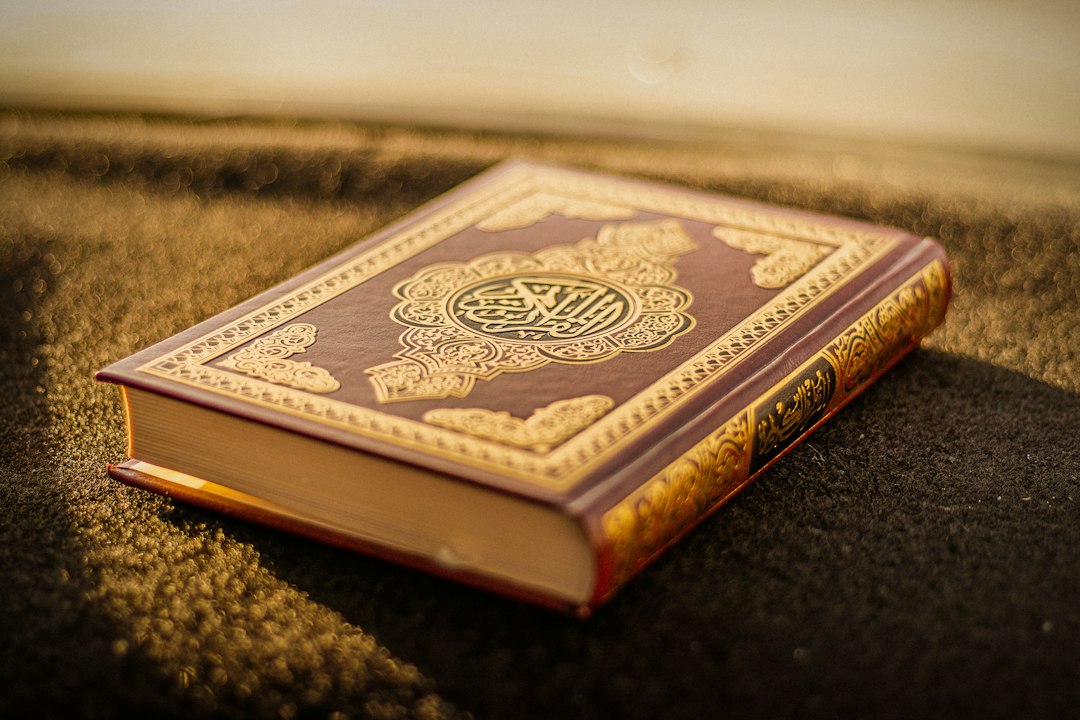
When Beale finally went, the congregation challenged his expectations. Men from different backgrounds prayed together and treated each other as brothers. Their welcome prompted questions. He began reading about Islam and took an English rendering of the Quran home to study.
He recognised prophets whose names he had heard as a child, then learned about Muhammad and his companions. In his recollection, reading and prayer helped him reach a conviction that he should worship his Creator. In his Arab News interview, he dated his acceptance of Islam to 2002. A decision about belief now required decisions about everyday life.
Changing habits was harder than making the declaration. Existing commitments kept him working for a time; he then tried making a cleaner album before leaving the music industry. Some friendships suffered, while relatives and former colleagues gradually recognised his commitment. He did not describe becoming Muslim as an end to every difficulty.
By his 2022 interview, family life and business in Riyadh formed part of his account, including the ordinary task of taking his children to school. When telling his past publicly, he wanted to avoid glorifying it. The purpose was to show young people that change remained possible.
His story brings together patient kindness, personal inquiry and the work that follows conviction. A welcoming encounter opened a door; reading helped him decide what lay beyond it. How can a community make room for both the questions before a decision and the support needed afterwards?