
Na’ima B. Robert: From a Question in Cairo to the Shahada in London
Na’ima B. Robert was born in Leeds and raised in Zimbabwe in a non-religious household. She arrived at the University of London with a strong African and political consciousness, clear plans for study and work, and little place for religion in daily life. In the summer of 1998 she travelled to Egypt as an amateur performer at a music festival. That journey rearranged the questions by which she understood herself.
Her first response to hijab was sharply negative: she read it as a sign of women’s oppression. A brief conversation with the wife of one of the festival organisers made her pause. The woman explained that she wanted to be judged by what she said and did, rather than by her appearance. It was not a complete theological argument, but it forced Na’ima to examine her own dependence on image and attraction, and then to notice the prayer and remembrance that filled public life around her.
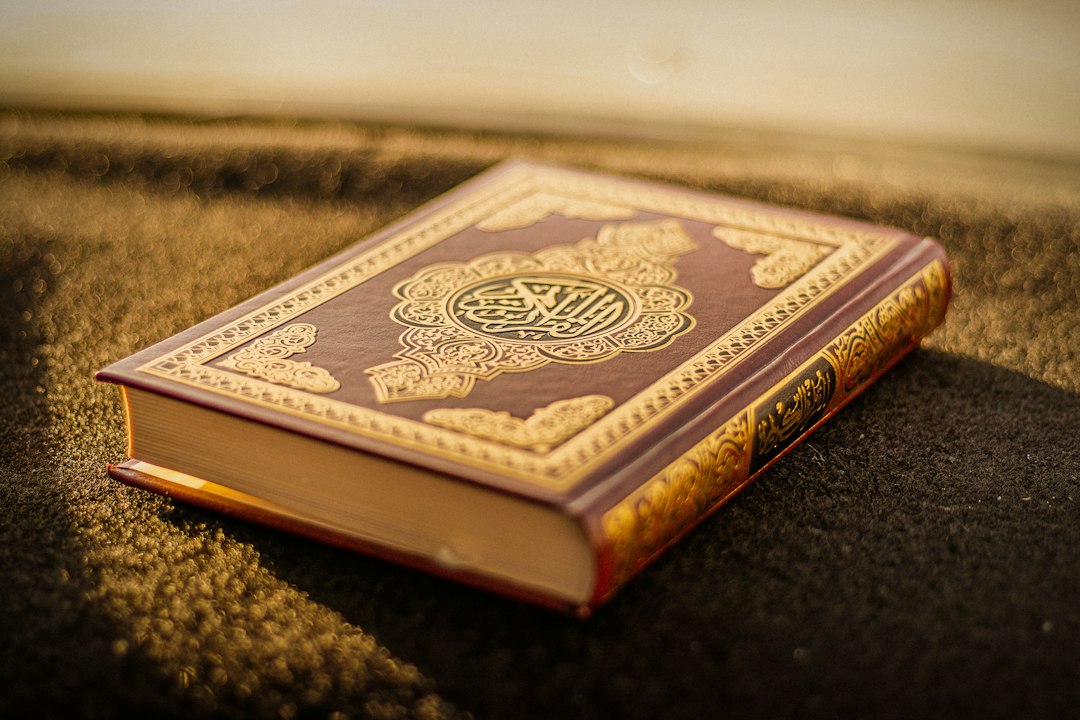
Back in London, she tried more modest clothing and bought Marmaduke Pickthall’s English translation of the Quran. She did not understand everything on a first reading; her copy accumulated questions and marks as she learned about the Quran, prayer and Islamic law. She saw wisdom in the rhythm of five daily prayers, abstaining from intoxicants, and boundaries between men and women. Yet she did not call herself Muslim, nor did she think benefiting from selected practices required an immediate declaration.
A friendship with a university student who had recently embraced Islam ended her intellectual isolation and gave her someone with whom to discuss the faith. The question of identity remained: how could a Black African woman enter a religion she had imagined as Arab or Asian? She attended Nation of Islam meetings while looking for a racial version of Islam, then rejected that path when she recognised the difference between centring race and an Islam that centres the relationship of all human beings with their Creator.
As the Christmas break approached, she chose to travel to Guinea and examine the identity question within an African Muslim society. On the way and in Conakry, she saw African Muslims who retained their languages, clothing and belonging, and the assumption that Islam required abandoning Africa began to fall away. She learned ablution and prayer, fasted in Ramadan, and lived within the daily rhythm of worship. Her memoir is explicit, however, that she had not yet pronounced the shahada.
A few weeks after returning to London, she went with her friend to the Central Mosque in Regent’s Park and pronounced the shahada in 1998. The profile accompanying her OnePath interview dates her conversion to 1998. [OnePath] The decision followed months of questioning, reading and practice; it did not rest on the first encounter in Cairo alone.
In her 2005 memoir Na’ima published this journey in her own voice. In a 2010 interview she also placed her conversion in her second university year and described teaching and writing as later parts of her public life. These are historical records, not grounds for inferring a private religious state today. Her story shows how a question about dignity can lead into disciplined reading, and how African identity can remain intact within a faith that is not an ethnicity.