
Mathilde Loujayne: From Questions About the Creator to Reading the Quran
A question that began in childhood
Mathilde Loujayne grew up in southern France in a non-religious family. She recalls asking about the Creator and the universe from around the age of eight. While attending a Catholic school, she asked her parents if she could be baptised, and they supported her choice. Her exploration of religion continued as she grew up.[1]
After the death of her older brother, the family moved to Muscat. There she learned that her father had embraced Islam and began discussing religion with him and with her own friends at school. Her reading across religions, and questions about changes in Biblical texts, sharpened a further question: could she reach revelation she regarded as preserved from God?[1]
Reading the Quran after 9/11
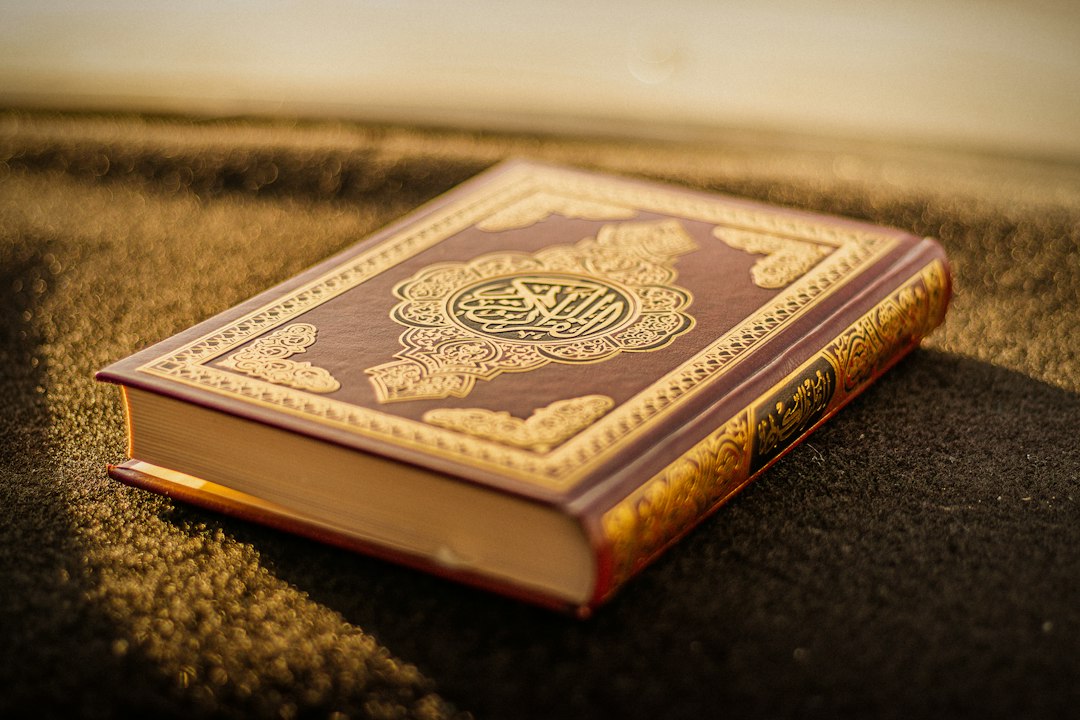
After the attacks of 11 September 2001 and the accusations directed at Muslims, she decided to read the Quran herself. She explains that she wanted to understand events in the world and to seek the truth and God’s message unchanged by human intervention. In her book, she also connects her reading of religious texts with questions that followed her brother’s death.[1]
In her book and interviews, she says that by March 2002, shortly after turning eighteen and about halfway through the Quran, she had become convinced that it was God's preserved word and that Jesus was one of His messengers. She asked her school librarian to connect her with someone who could help, and was introduced to Sheikh Khalfan Al Esry. She then pronounced the shahada at the family home during dinner, with her family present.[1] [3]
A beginning that required learning and patience
The declaration did not remove every difficulty. Loujayne describes early family and social strain, learning to pray, observing her first Ramadan, and building practice step by step. Years later she gathered that experience in Big Little Steps, written for women exploring Islam and for new Muslims seeking the guidance she had wanted at the beginning.[3] [2]
In her public advice, she stresses the value of informed example and welcoming non-Muslims’ questions. For a new Muslim, she reduces the path to successive small steps: learn without haste, remain consistent, and value honest progress over the demand for instant perfection.[3] [2]