
Nur Jannah Chan: From the Question of a Creator to Reading the Quran
Nur Jannah Chan grew up in a Singaporean Chinese family that maintained its traditions, while describing her earlier outlook as agnostic. Questions about religion and the existence of a Creator had occurred to her since childhood, but she learned to set them aside. Work as cabin crew reopened that curiosity, particularly during a flight to Turkey.
Her relationship with Islam did not begin with a ready-made decision. She initially saw the religion as highly restrictive and wondered why people remained in it or chose to join it. After getting to know a Muslim colleague, she decided to test that image herself rather than build a conclusion on impressions or on a wish to please someone close to her.
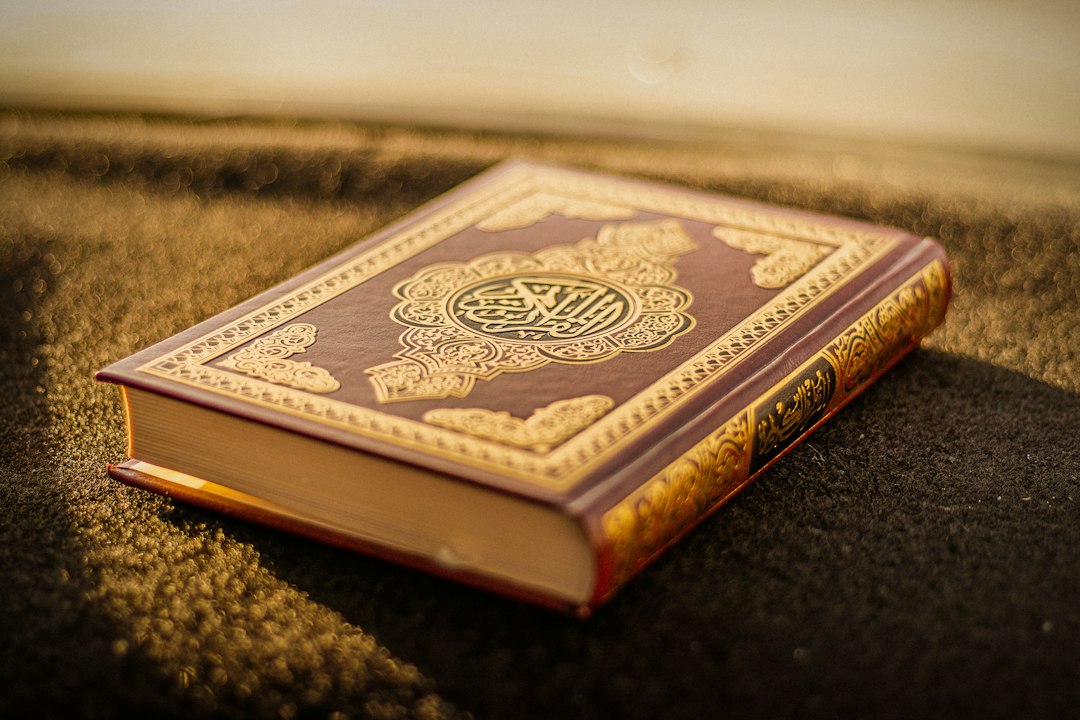
She turned to the Quran and attended beginner classes. When she reached Surat al-Baqarah, she encountered passages she did not understand and that conflicted with her first reading, and she nearly stopped. A friend encouraged her to finish the text. She continued and, in her account, found answers that corrected several of her assumptions about Islam.
Learning gradually affected her daily life: she stopped eating pork, chose halal food, adjusted some clothing and read the Quran at night. These signs alarmed her mother and brought opposition, so the religious search also carried a difficult family question: how could she remain faithful to a growing conviction without allowing disagreement to become permanent estrangement?
The original podcast episode dates her entry into Islam to 2014, without publishing the day or place of her shahada. Her story does not reduce the decision to marriage. The interviews instead describe a path through doubt, Quran reading and classes, ending with her conclusion that she could not return to her previous position after what she had learned.
Family tension followed, and she tried to use good conduct to repair the relationship. In her published testimony, she connected Islam with striving to become a better daughter. She later carried some of what she had learned about halal and wholesome food into a baby-food business. These are facts from 2018 and 2022 accounts, not a claim about her religious state today.
Her journey reminds a seeker not to abandon a text at the first difficult passage or surrender judgment to an initial impression. Honest inquiry needs complete reading, teachers who explain context and freedom from relational pressure. A new Muslim also needs patience with family, combining fidelity to conviction with kindness and dutiful care.