
Stephen McGown: Faith in the Account of a Captive Who Returned to Freedom
Stephen McGown grew up in South Africa with a Catholic background and spent several years working in banking in London. When he decided to return home, he set off on a motorcycle journey through Africa. In November 2011, that journey ended abruptly in Timbuktu, Mali, where al-Qaeda militants kidnapped him. He remained captive until July 2017. A planned homecoming had become a wait with no visible end.
Looking back, he described a pressing concern: how to remain human under the control of his captors. He spoke about the absence of news from his family, changing camps, and filling his days with movement and practical tasks. After his release, he said he had wanted to come home without allowing anger to dominate his life with those he loved.
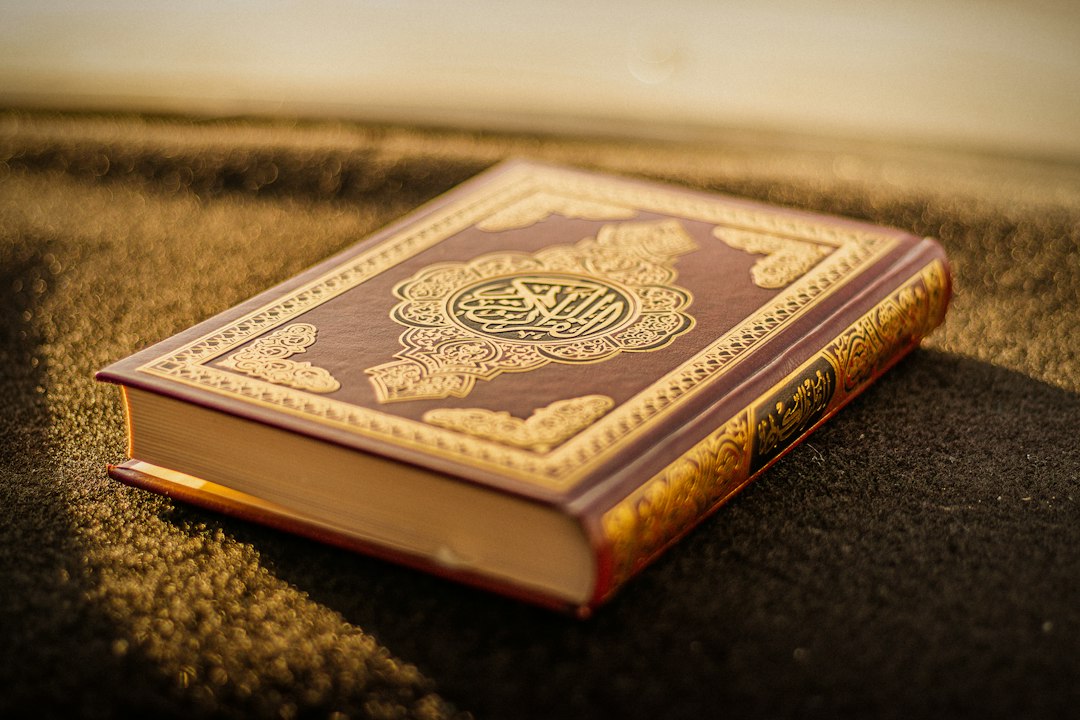
McGown embraced Islam during his captivity. At his August 2017 press conference, he described the decision as his own. In a documentary interview in 2019, he also recalled tighter restrictions after a fellow captive converted, his need to move about, and fears for his health. His account contains both an assertion of choice and the pressure of imprisonment. The decision began within those harsh circumstances.
He said his treatment improved after conversion: he received better food and clothes and joined in recitation. Yet he repeatedly stressed that he remained a prisoner. Better conditions in parts of daily life did not give him freedom. Religious change did not end his captivity or remove the isolation and uncertainty imposed on him.
Back home in 2017, he spoke about the good he had found in Islam, particularly care for others and good character. He also acknowledged things that still troubled him and said he intended to keep reading. His account at that point included both attraction and unanswered questions; he did not present it as a journey in which everything had been resolved.
In an interview published by Radio Islam in December 2020, he returned to the beginnings of that decision in greater detail. He acknowledged that fear for his life had influenced his initial motives. He then explained the wisdom he found in teachings about supporting people, avoiding harmful speech, and caring for neighbours and parents. These were ethical qualities he explicitly identified as drawing him towards Islam.
He described what he had learned as a way of living and treating people, extending beyond a separate set of rituals. He was speaking three years after his release, while introducing a book about his experience. This later account added his own explanation of what continued to matter to him beyond the original report of conversion.
At a public event in 2022, he spoke about accepting change and approaching life one day at a time. He had returned to writing and speaking before audiences about the years he had lost. In his published account, freedom remains a distinct chapter: reunion with family, and the opportunity to continue considering life and religion beyond the control of his kidnappers.