
Strength Requires Integrity
F15 · 16–18

When can people trust someone who has power? A person may be able to speak while others stay silent, or make a decision everyone is waiting for. Knowing what that person can do answers only part of the question. We still need to ask what the person protected while using that ability, and what might have been lost if ability alone had settled the matter. A reader’s first step may be to slow down long enough to see what happened before choosing a label for it.
The reading guide in Maadin al-Sahb offers a method. It begins with the situation and its context, then considers the action we can observe and the right it protected. What the account records can be distinguished from what we imagine about a person’s inner life. We can reflect on an action in a well-attested report while leaving details the narrator did not give open. If we need to attribute particular words, we return to their place in the original. Two accounts can have a similar meaning and still preserve different wording.
In his introduction to steadfastness and support, the author asks readers to examine the names we give our own actions. We may call persistence steadfastness or describe standing with our friends as support. We still have to ask what is right and where consultation and fairness belong. We will read two episodes with those questions in mind. Try beginning with two columns. Write what can be traced to a particular source in the first, and your reflections in the second. If you cannot place a sentence, leave it as a question before it becomes part of the story you remember.

In the account of the cave, Abu Bakr tells us that he was with the Prophet and looked at the feet of the people above them. He said, in effect, that if one of them looked beneath his feet, he would see them. The Prophet reminded him that Allah was with them. The account leaves their next movements and private thoughts unspoken.
Abu Bakr was the one who looked. He was also the one who spoke about what might happen if one of the people looked beneath his feet. Saying that danger was close is very different from saying that someone looked and saw them. The first follows from the account. The second adds an event the account does not report. The answer also draws a distinction between recognizing a danger and supposing that everything depends on what the eye can see. The Prophet's answer draws attention to Allah's presence with them, while the danger remains the one Abu Bakr had just described.
Think about one kind of strength you can see in this short account. It can take strength to see something that frightens you and then tell the person beside you just what you know. To speak faithfully is to distinguish what you saw from what you thought might happen. If you tell this account to a friend, keep that distinction in your own words. Say that Abu Bakr saw the feet and told what someone might see if he looked. Then relate the meaning of the Prophet's reply and leave out what the account leaves unsaid. Your friend will hear the account you read and have room to think about it for themselves.

The account of the cave has boundaries that help you understand it. After reading it, ask yourself what you can point to in a line of the account. Find the place before you write anything down. Then ask a different question. What lesson do I draw from this passage? You might begin your answer with the words “I take from this account.” Those few words help readers see when you are reporting the account and when you are reflecting on it.
One lesson we might draw is that courage leaves room for recognizing danger, and that clear words in a difficult moment can help you and those beside you. That is a lesson we can think about today. Suppose you are passing on something you heard about a classmate who missed school. Before you tell it, ask who knows what happened and what that person actually said. If you have a guess, call it a guess or wait until you can ask. When talk spreads quickly and people have little they can check, being able to pause is part of speaking faithfully.
Strength faces another test. You may want to stick to something because you said it in front of your friends, or go along with them because changing your mind feels hard. Ask someone you trust to listen and point out where another question would help. If your words went beyond what you knew, correct the part that gave the wrong impression. That protects your classmate and gives the listener a fair chance to judge the account. It is a small place to begin before we look at a moment when a whole group needed words that brought them back to something they could verify.

After the Prophet died, Abu Bakr went out to the people. Umar ibn al-Khattab was speaking to them, and they turned toward Abu Bakr when he spoke. Abu Bakr told them that Muhammad had died and reminded them that Allah is living and never dies. Then he recited verse 144 of Surah Al Imran. This part of the account lets us see how the words he spoke and the verse he recited belonged together.
The verse begins by telling us that Muhammad is a messenger and that other messengers passed away before him. It asks its listeners whether they would turn back if he died or was killed. It then says that whoever turns back can do Allah no harm, and it ends by saying that Allah will reward the grateful. Read the verse in the Quran, then return to the account in Bukhari. Abu Bakr spoke of the Prophet's death. The verse he recited places that death in the larger context of the message and the worship of Allah. You can see the connection by reading the two passages together.
Ibn Abbas reports something he could hear. Once the people had received the verse from Abu Bakr, he heard them reciting it. The same account also records Umar's description of what happened to him. His legs gave way and he fell to the ground when he heard Abu Bakr recite the verse and realized the Prophet had died. Each account has its own witness and focus. Reading them in turn gives us a place to begin thinking about the responsibility of a person whose words others are listening to.
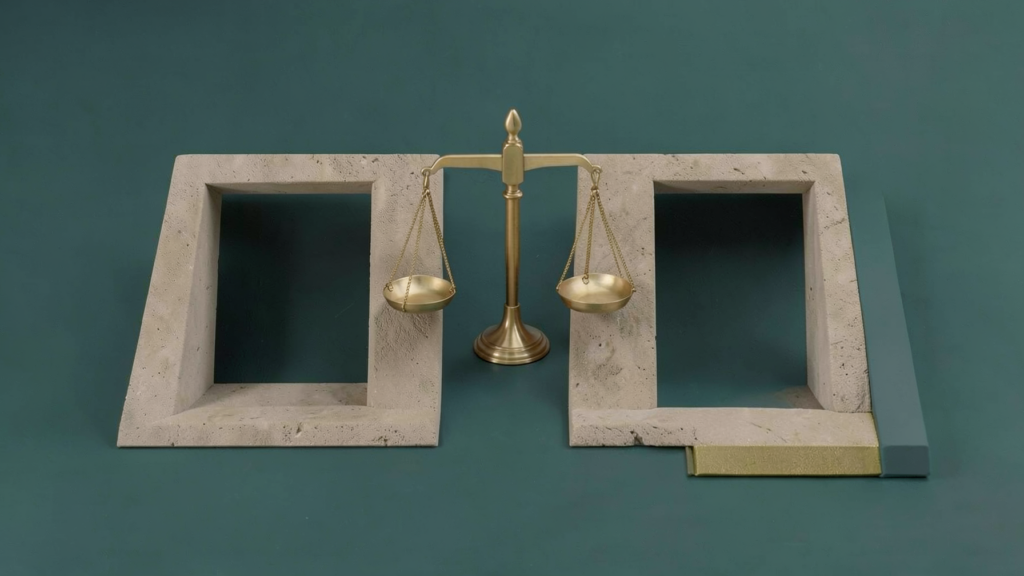
Consider the two moments together. In the cave, Abu Bakr spoke to the Prophet about something he had seen. After the Prophet died, Abu Bakr spoke to a group of people and brought them back to a verse they could recite. The first account helps us see the value of precise words when danger is near. The second helps us think about the responsibility of a person others listen to in an unsettled moment. The audience is different, and the words serve a different purpose. Both raise a question about how faithfully a person speaks about what they know.
Bring that question into a situation of your own. If you are on a school team, you may know when a task is due or why it was delayed. Before passing that on, separate what you know firsthand from what you still need to ask a teammate. If your group turns to you during a disagreement, your responsibility grows. You can show them the date in the team's record, explain what concerns each person's role, and give them time to correct anything you have passed on. Everyone can then check the same record for themselves.
Notice what changes when you go from telling one person to speaking before a team. Some listeners missed the earlier conversation, and they may plan their work around your words. Give them enough detail to act, and show them where they can check what you said. If you make a mistake, make sure the correction reaches the people who heard it first. Choose one place where people listen to you, and think about how your words can help them understand a right or carry out a task.

Choose one ability you use in your life this week. Perhaps you are good at organizing dates, explaining complicated instructions, or making room for someone who hesitates to speak. Write the ability at the top of a page. Under it, name one service that could help another person. Keep it small enough to do once and then check what difference it made. Beside it, name the right you want to protect. For example, everyone on your team has a right to know when their part of the work is due.
Here is an example you can adapt. If you are good at organizing information, agree with the team to put the latest confirmed deadline in a record everyone can see. Note where the date came from and when it was updated. Ask the person responsible before changing anything that affects someone else's work. Now choose a way to check it. Ask a teammate to find the deadline using the record alone. Compare what they found with the date the team agreed to. If the two differ, go back together to the line that confused them and correct it. Ask your teammate to try again and write down the result in a short sentence. Now you have something you can check.
At the end of the week, read what you wrote before and after the trial. Did the other person benefit as you hoped? Could they still ask questions and correct an error? Answer in two lines. Write down anything that still needs permission or checking, and name the person you will ask. Then choose one action to keep doing.