
The Argument Lacking a Constraint
F18 · 16–18
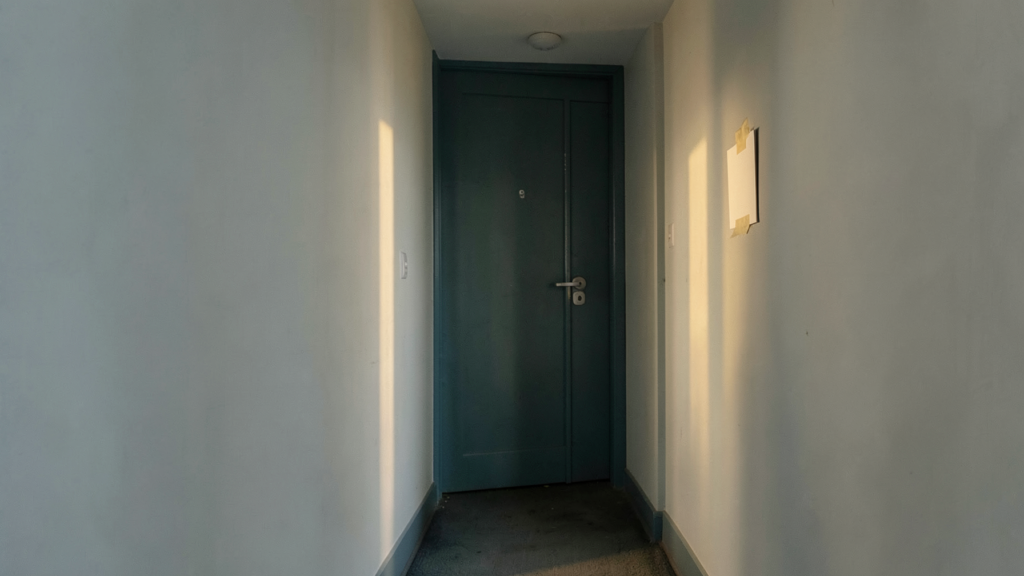
A short notice was still taped to the activity-room door. Omar read the debate question a second time while he waited for Samer, his seventeen-year-old teammate, to unlock it. The school club wanted to know whether to provide a quiet room for group study. Each team would have two minutes to make its case. When Omar heard the key turn, he pushed the door open and headed for the table by the board. His notebook was where he had left it after yesterday’s meeting.
Omar was seventeen. He knew how quickly the first minute could go when he stood in front of his classmates, so he wrote his opening on a card small enough to hold in one hand. That morning a club member had given him a sheet with a sentence copied from the report on last term’s trial. It said that opening the room had reduced crowding. Omar underlined the sentence and headed his card with a claim about crowding across the school week.
Samer took the trial folder from the club cupboard. He had promised to gather the remaining papers before practice. He set it beside Omar’s notebook and asked whether the copied sentence had a page number. Omar turned the small sheet over. There was only a smudge of blue ink on the back. He said the sentence would get him through the opening and read his first line under his breath.
Samer set the debate timer on the table. He asked Omar to keep the folder within reach in case someone wanted to see where the sentence came from. Omar moved his water cup aside and reached for the cover.

Omar opened the folder to the page that named the trial. He set the copied sentence beside it and ran his finger down the lines until he found the original. It came at the end of a paragraph headed with the week before exams. He read from the beginning of the paragraph. Volunteers had stood at the study-room entrance during the first hour after school and counted the students waiting for a place. In that hour, the wait had eased after the room opened. The sentence said nothing about the other hours.
He turned the page and looked at the table for a wider set of observations. A note said that the volunteers left after the first hour. The club had kept no count once they were gone. Omar looked back at his speaking card. Its heading claimed that crowding had eased throughout the school week. The copied sentence belonged in the report. On his card it had grown into a claim about times when nobody stood by the door to count.
Samer turned the timer over in his hands and asked if Omar had found the page number. Omar pointed to the start of the paragraph, then touched the note on the next page with his pencil. He read both passages aloud. On a scrap he wrote a question for practice. What hours did this report actually describe? He slipped the scrap between the page and the table so he could find them again.
The first card stayed on the desk. Omar put a blank sheet next to it. When he heard Bilal in the corridor, he stacked the copied sentence, the folder, and the card, leaving the scrap visible.

Bilal pushed the door open with his shoulder, carrying the cards the team had left at the copier. At eighteen, he was in charge of the speaking order. He reached for Omar’s card, but Omar asked him to wait. Omar pulled the scrap of paper from the stack and showed him the question. He wanted to hear the strongest objection to its heading. Bilal sat on the edge of the bench and read the table and the note on the opposite page.
After a moment he looked up. Someone against reserving the room could accept what happened in the first hour, he said. They might even point to the same table. Omar asked how the table helped their case if they accepted the finding. Bilal put a finger on the time column. Before the club reserved the room all week, it needed to know whether students waited at other times and whether the shorter wait that hour justified keeping the room set aside. Omar wrote in the margin that the objection concerned the decision the club had to make.
Samer pulled the copied sentence from under the folder. He had expected the other team to challenge the count itself. Bilal said they could, but this page gave them a more precise objection. Nobody knew what the volunteers would have seen if they had stayed another hour. Samer reread the note and asked about days outside the trial. Both questions pointed to the blank space in the table.
Omar asked Bilal to put the objection into a sentence he could say himself. He waited until Bilal finished, repeated the point, and asked what he had missed. Bilal corrected one word about timing. Omar wrote it down.
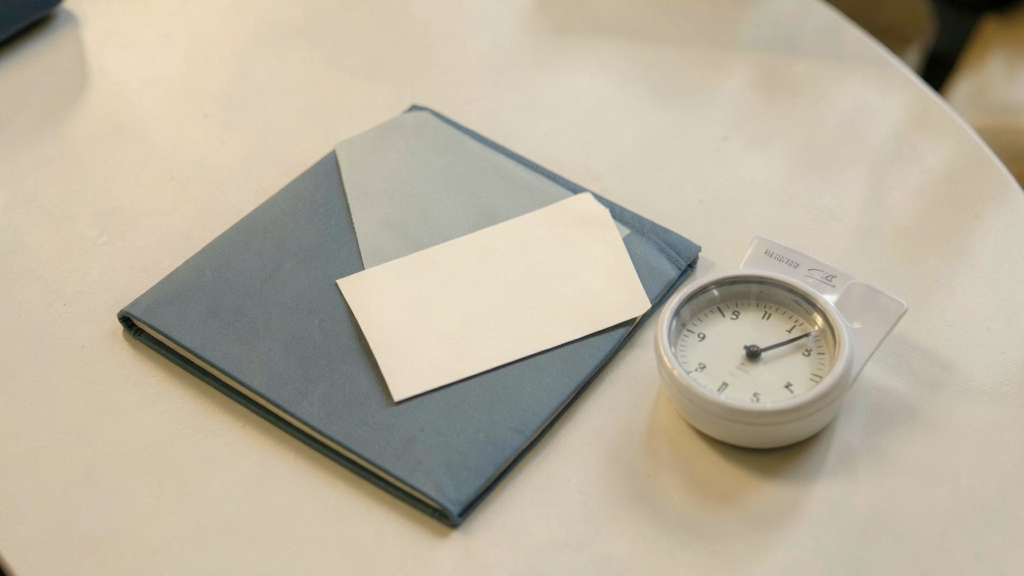
Omar pulled the blank card out from under his notebook. At the top he wrote the name of the trial and the week it took place. He tried copying the result first, then put the observation time in the same sentence so he could see it when he raised the card. Opening the room had shortened the wait during the first hour after school in the week before exams. He read the sentence against the table to make sure the time was clear.
He passed the card to Bilal. Below the finding, Omar had written the other side’s objection without naming anyone. The club could trust what it observed that hour, but reserving the room on ordinary school days required information from other hours and days. Bilal said he would be willing to read that sentence to the opposing team as written. Omar added a period and turned to the last line.
Samer offered to stay at the entrance until the club closed the next day. Omar glanced at the volunteer list by the board. Samer could not be there every day, and an afternoon with sports practice might draw a different crowd. They agreed to propose counts at several times in a normal week. The club could decide ahead of time who would count and how to record hours a volunteer missed.
Omar fitted the proposal onto the card. Samer asked him to read all three sentences. Omar paused at the word “always” on his old card. He left it there for comparison. When the supervisor called both teams, Omar took the new card and slipped the old one into his notebook.
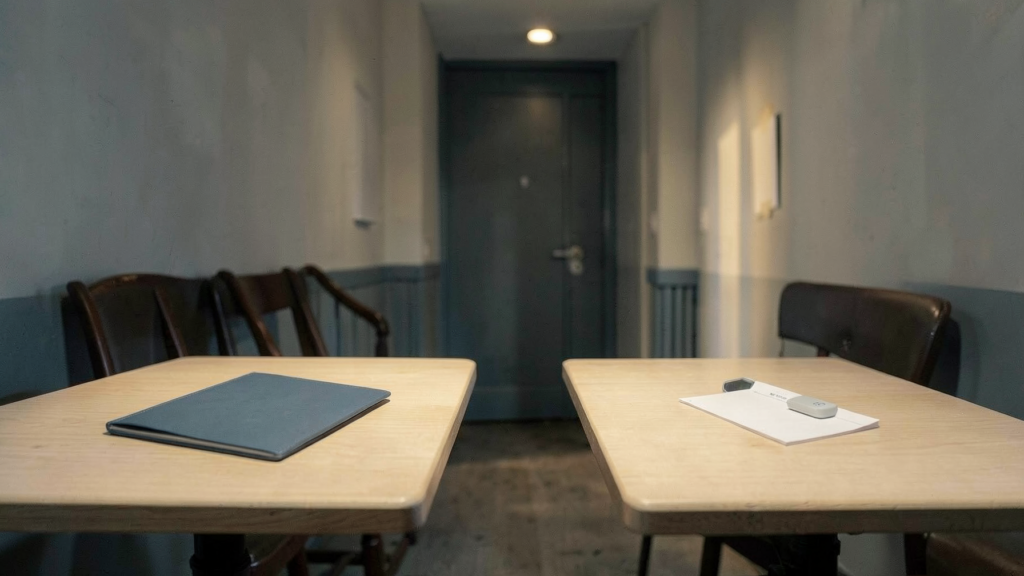
The two tables faced each other in the club room. The supervisor stood between them with a small clock. Seventeen-year-old Hossam sat opposite Omar with the trial report open. On his turn, he agreed that the room had helped the students who waited in the first hour. Then he read the volunteers’ note and asked why that was enough to reserve the room at times when nobody had counted the students at the door. Omar lifted his card, ready to answer. He saw that Hossam was still following the line with his finger, so he set the card down and waited.
Hossam added that exams might affect how many students came. The club needed a decision for an ordinary week. When Hossam finished, the supervisor nodded to Omar. Omar repeated the objection as he had heard it, including both the hour and the exam period. He asked Hossam if he had understood. Hossam nodded. Omar read the finding from his card and showed the listeners where they could find the observation time in the report.
The supervisor asked what the teams could do before the club met to decide. Samer opened a sheet and wrote down the days of the week. Hossam suggested recording when the room was in use for another activity. Bilal added a column for the volunteer’s name. Omar pointed out that a blank cell could be mistaken for a count of zero. They agreed to mark missed counts clearly and review the log after an ordinary week.
When the time was up, Hossam put his name beside a slot. Omar read the heading on his card once more before folding it.

Omar went back to the activity room for his notebook after both teams left the debate. Samer was folding the volunteer list. He left a copy by the door so others could add their names. Omar opened his notebook on the table and took out the old card. He looked at the heading in his handwriting and then at the card he had used in the debate. The second made a narrower claim and named a time that anyone could find in the report.
Bilal came over to switch off the timer. Omar asked how he might describe Hossam’s objection to a club member who had missed the debate. Bilal told him to start with what Hossam had accepted. Omar said the room had helped the students who waited during the hour they observed. He added that reserving the room at other times would require knowing what happened then. Bilal read the revised card and asked whether Omar would add anything after a week. Omar said he would check the log before deciding.
Omar taped both cards into his notebook. He put the date under the revised one and left space for what they might learn from the new counts. Samer left a pen by the door for the next volunteer. Before Omar went out, he read the slot Hossam had chosen and added his own name beside a time he could make.
Choose a view you disagree with. Write the strongest fair account of it, one its author could recognize. Name one piece of evidence and a condition that changes what it supports. Read your account aloud and mark any sentence you need to check against the original.