
The Summary That Revealed Integrity
F21 · 16–18
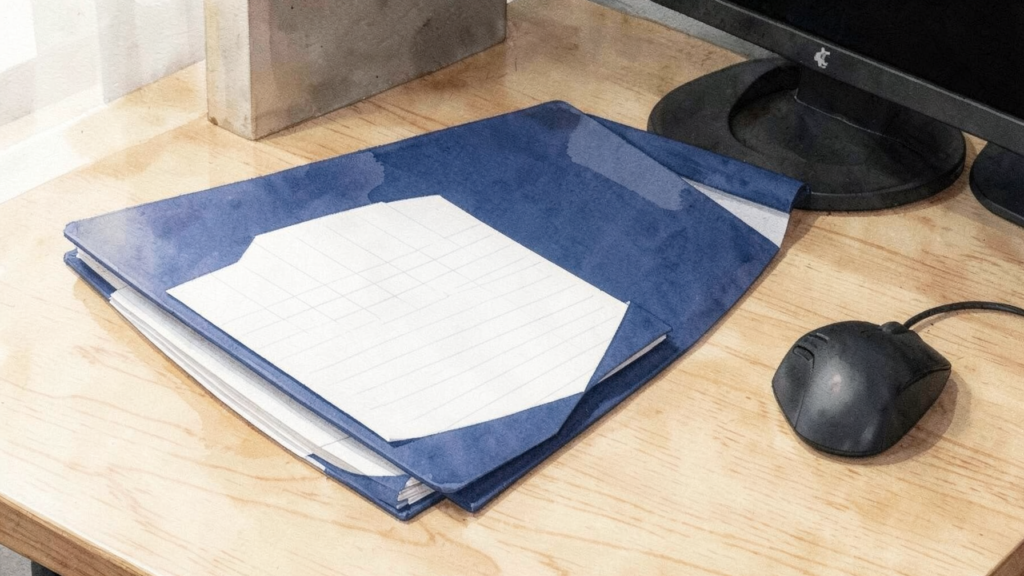
Nabil, the thirty-seven-year-old inventory supervisor, set a blue folder on Hamza’s desk. Hamza was seventeen and in his first week as an intern. Nabil pointed to the screen. The team needed a one-page list of items running low before tomorrow’s meeting. Hasan, Hamza’s eighteen-year-old fellow intern, was counting boxes next door. When the supervisor went to meet him, Hamza opened the file and wrote three headings on a scrap of paper.
Beside the item names were notes staff had added when they moved boxes. One explained why a shipment was late. Another mentioned a box that had yet to be opened. Hamza tried adding the figures, but a narrow cell made him read a number against the wrong item. He checked it against the printed sheet and put a dot beside the row he had reached. When he looked up, the first page was still open and the scroll bar had barely moved.
Hamza opened another tab to look for a way to add the figures without copying them one at a time. An advertisement offered to summarize long files. He opened the page and found an upload button in the middle. He pictured the finished page appearing at once and reached for the mouse. The workshop folder was still open in the tab beside it. Under the filename was the word “Internal.” He had noticed it when he first opened the table, but now it seemed much closer to the button. He took his hand off the mouse and left both tabs open.
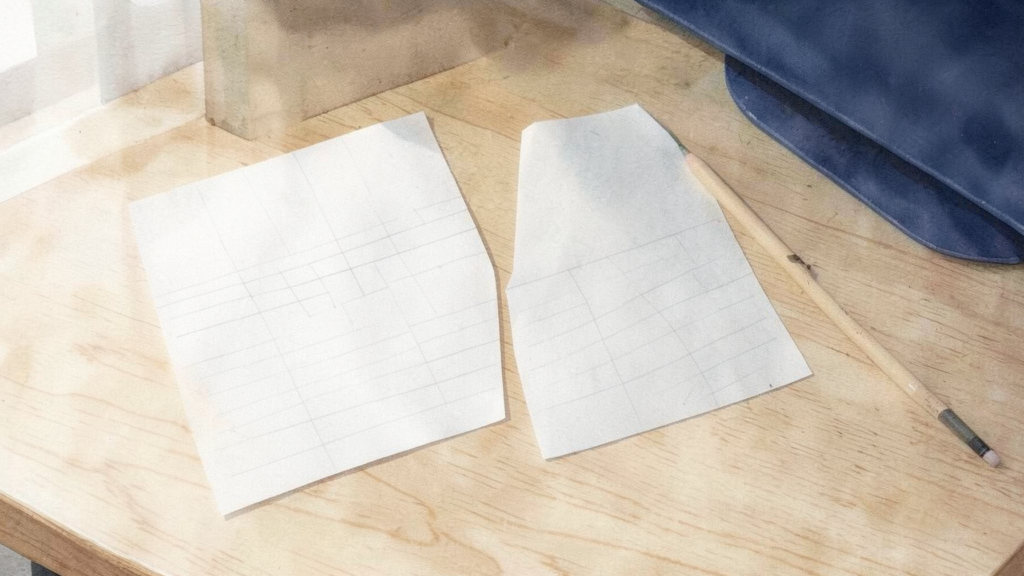
Hasan came back to the office with his count sheet. Hamza was looking from one tab to the other. Hasan set the sheet down and asked what he was looking for. Hamza showed him the upload button and said the tool could add the figures and save time. Hasan leaned closer to read the filename in the other tab. “Nabil said you could open the table here. Did he say anything about sending it to this page?” Hamza searched his memory. He could recall the request for a summary and the time of the meeting.
Hamza pulled his scrap of paper to the middle of the desk. He said he could remove staff names before sending a copy. Hasan opened the table at the row where Hamza had stopped and covered the worker’s name with his finger. The row still described a shelf near the door and when a box had been moved. The next row linked the box to a shipment that had not arrived. Hasan said anyone who knew the workshop could read more in those details than the summary required. Hamza left the file in the work folder and closed the upload window.
Hamza drew three columns on his paper: item type, quantity on hand, and how many more were needed. Hasan asked what would happen to the long notes. Hamza turned over the count sheet to see whether any entry needed those details. A note might help him explain a figure, but Nabil’s summary needed the totals. Hamza left a space at the bottom and wrote a question about where he was allowed to do the work.
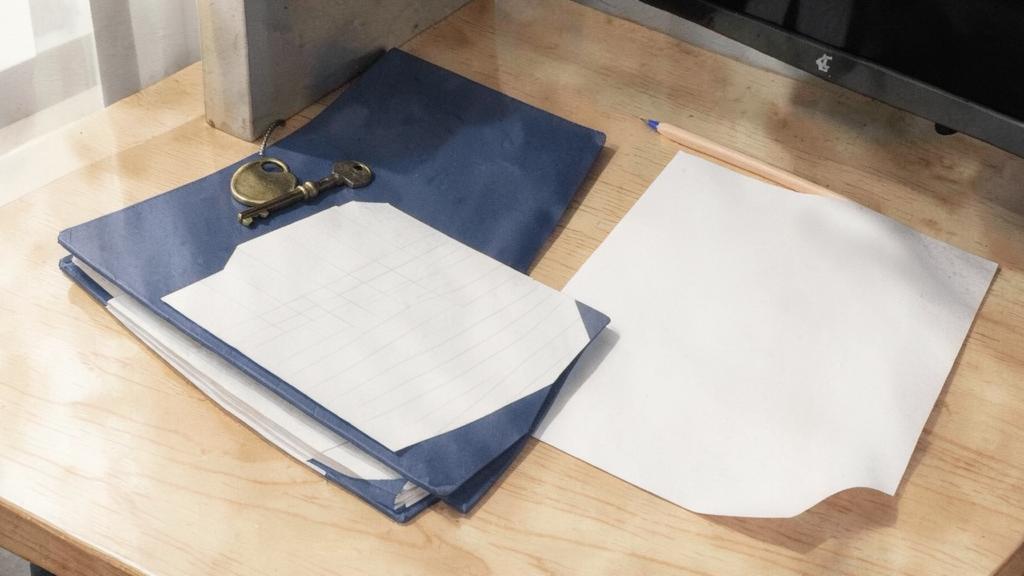
Hamza did not have to wait long. Nabil came back with the cabinet key in his hand. Before Nabil put it in the drawer, Hamza handed him the sheet with the three columns. He said adding the figures would take time and that he had found a page that offered to summarize tables. Then he pointed to the word “Internal” beneath the filename. “Should I work on it here, or can I send a copy to that page?” Nabil looked at the screen and asked whether Hamza had attached anything. Hamza shook his head and showed him where he had closed the upload window.
Nabil pulled up a chair. The team had opened the file for Hamza to make a summary for the meeting, he said. The file was to stay in the work folder. He showed Hamza where he could make a second table using the workshop’s internal tools and asked him to keep the finished summary in the same folder. Hamza pointed to the third column. He was still unsure how to calculate the shortfall. Nabil checked the headings against the meeting request and approved all three. If the table gave no target for an item, Hamza should leave that cell blank.
Hasan asked whether they could try the layout before using the actual figures. Nabil took a blank sheet from the drawer. They could invent a few rows in a separate table using the workshop tool. He asked them to label it “Practice” so anyone opening it would know what it was. Hamza wrote down where to work and where to save the summary. He folded the printed inventory sheet, set it by the blue folder, and pulled the blank sheet between himself and Hasan.
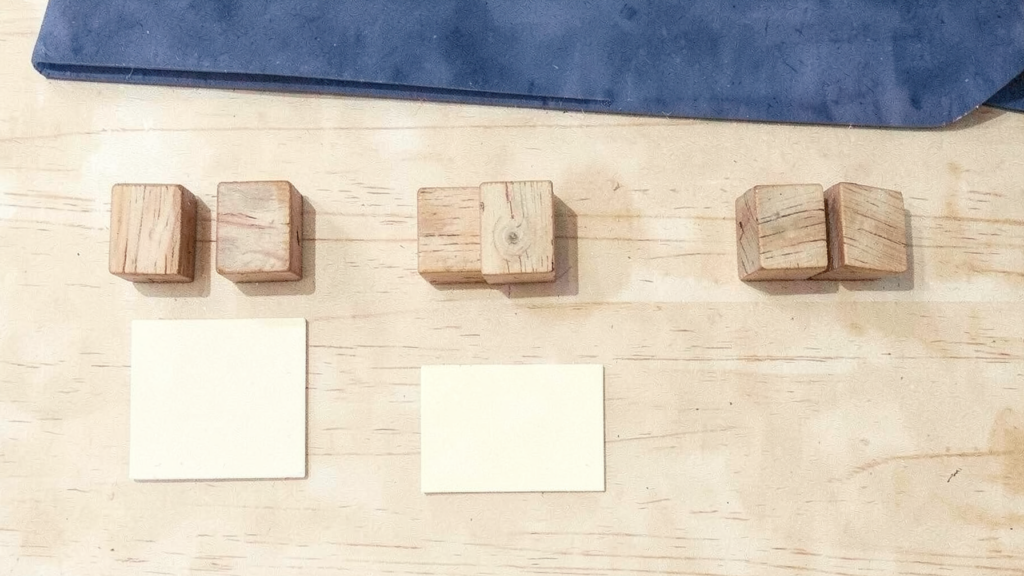
Hasan wrote “Practice” across the top of the blank sheet and suggested tool names they could use without matching anything in the workshop inventory. Hamza invented three categories. He gave one a quantity below its pretend target and another a quantity that met it. For the third, he left the target blank. He copied only these practice rows into the workshop’s internal tool. The real inventory was still folded beside the blue folder. They had no reason to open it for the test. Hamza gave the practice table a name that would distinguish it from the meeting summary and showed it to Hasan.
The summary came back with two rows. The first number matched Hamza’s mental calculation, so he reached for the print button. Hasan stopped him and asked about the third category. They reread the table and saw that their method hid every row without a numerical target. Hasan turned over the blank sheet and wrote all three names again. He wanted to see the third category in the summary even if its shortfall was unknown. Hamza tried entering a zero in the original cell, then erased it when he saw that the result made the target look known.
They changed the layout so every category would appear first. The shortfall would be calculated only where there was a target to check. Hamza ran it again and Hasan compared the result with the practice sheet. All three categories appeared and the empty cell stayed empty. Below “Practice,” Hamza wrote that a blank meant the target was missing. He checked that the note belonged to the invented table, then saved the calculation method and left the practice figures in their separate file.
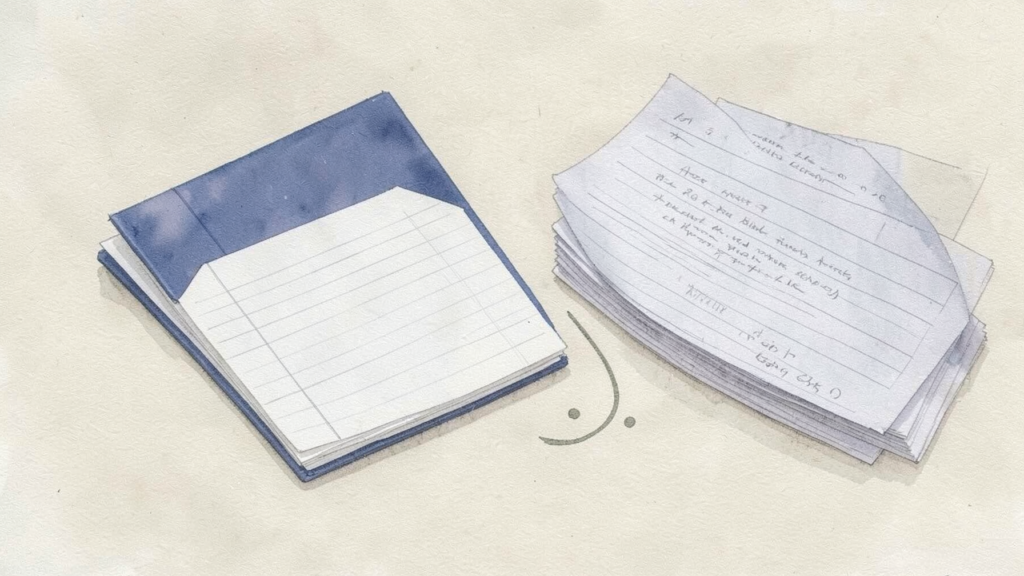
Hamza opened the inventory in the work folder, and Hasan returned to the printed count sheet. They used the method they had tried on the practice table, this time in the space Nabil had shown them. Hamza transferred the categories and figures he needed for the summary. He left the notes about shelves and shipments in the original. When the first result appeared, he drew a light pencil line beneath it on his paper. Hasan checked the matching row on the count sheet and asked to work through the rest in the same order.
Near the end, they found a shortfall for a category whose target was blank. Hamza followed the calculation and found that it was using the target from the next row. He corrected the reference and erased the line beneath the old figure. They ran the calculation again and checked both the row with the error and the row it had borrowed the number from. The category still appeared in the summary and the shortfall was blank. Hasan marked it on his paper so they could tell Nabil that the quantity was known and the target needed checking.
When Nabil returned, Hamza showed him the copy in the work folder. The supervisor went through the columns and asked about the blank. Hasan pointed to the mark on his paper. Hamza opened the original inside the folder and showed Nabil the row they had checked. Nabil asked them to leave it blank until the team could confirm the target. Hamza gave him the summary page for the meeting and put the count sheet in the blue folder. The detailed notes stayed where the team could find them when needed.
A scrap of paper still lay on Hamza’s desk. It held the question he had written before speaking to Nabil. He opened the internal work log. He wrote that the permission covered making a meeting summary inside the workshop folder. Below that, he recorded that Hasan had checked the rows against the count sheet and that they had corrected one cell reference. The target for one category was still waiting for confirmation. He left the figures in the inventory and noted where Nabil could find the summary.
Hasan read the entry over Hamza’s shoulder. He pointed to “Checked” at the bottom and asked what someone reading it tomorrow would understand. Hamza crossed the word out. In its place, he wrote that he and Hasan had compared the summary with the original and that one target remained unconfirmed. At the door, Hamza noticed that the practice sheet was still on the table. He put it in the training folder and returned the cabinet key to the drawer.
The next morning, Nabil took the summary to the meeting. Hamza saw the pencil mark at the bottom of his scrap of paper. He tore it up after checking that both the question and its answer were in the work log. Hasan asked how he would start if he received another file tomorrow. Hamza drew two boxes on a clean sheet. In the first he wrote, “What information do I need?” He left the second for Hasan. Imagine a school table with seat counts and student names. You need only the counts. What would you leave out, and whose permission would you check before choosing a tool?