
Goodness Remains After Departure
F23 · 16–18
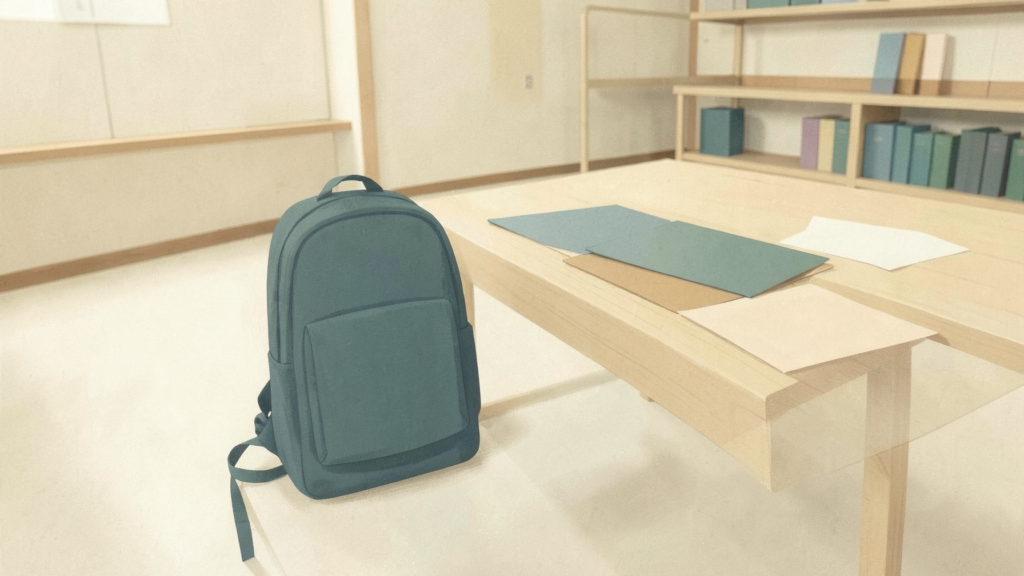
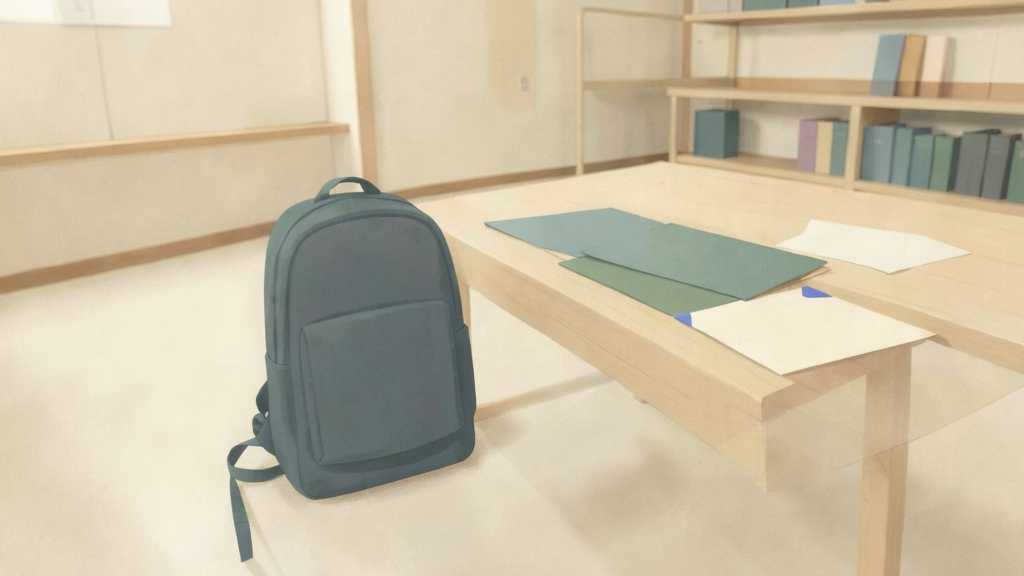
Yusuf came into the club room after lessons, carrying the notice he had received that morning. At sixteen, he had helped start a small club where pupils shared explanations and exercises checked by their teacher. He put his bag beside the table and told Omar he would be changing schools next term. Omar, his schoolmate and a year older, looked up from the papers and asked when he had found out. Yusuf showed him the date, then pulled out a chair. He was looking forward to the new school, but had not considered what would happen to the club meetings after he left.
Their teacher, Maher, arrived with his meeting notebook. He was forty and had supervised the club from its beginning. After hearing Yusuf's news, he asked how much time they still had together, then looked at the folders piled on the table. “If someone needs last week's explanation when you are at your new school, where will they begin?” Omar reached for a blue folder, stopped, and asked Yusuf whether it was the right one. Yusuf pointed to another behind it. He knew where the papers were because he had gathered them himself; Omar waited for his direction.
Yusuf placed the folders together. They looked alike, with nothing outside to explain the difference. He remembered finding papers quickly whenever his schoolmates asked, then returning to his own work. They had not needed to learn his route through the folders. Maher sat at the table's end, leaving them room to look. Yusuf admitted he had not arranged what he would leave behind. The notice lay beside the folders.
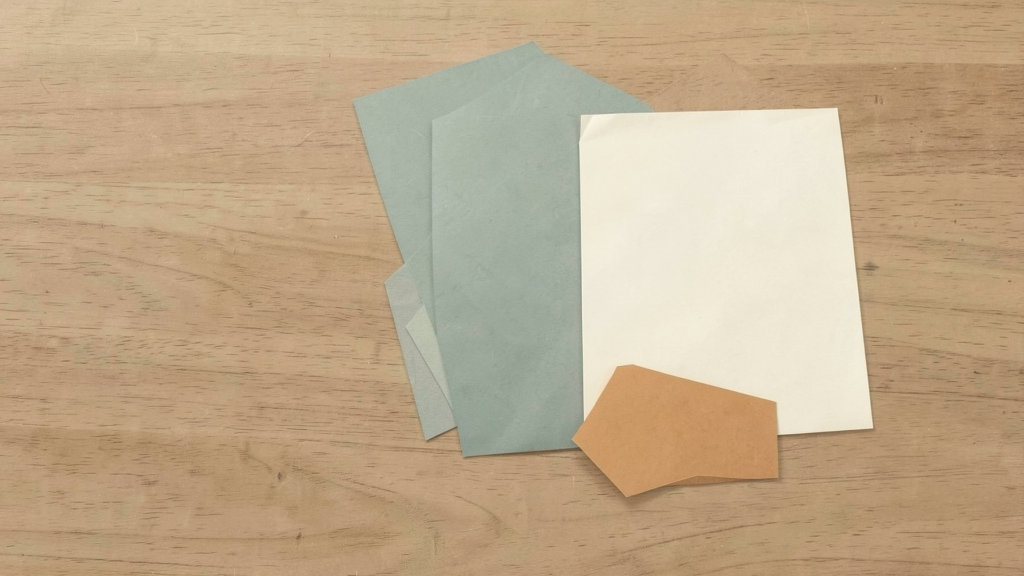
Omar opened the folder Yusuf had brought closer and took out the explanation sheet they had used at their previous meeting. He wanted to use it to prepare the next exercise. Following the instructions with his finger, he reached a line telling him to study the second example before attempting the question. He searched the bottom of the sheet and turned it over. There was only a question and a date in Yusuf's handwriting. He asked whether another page belonged with it. Yusuf reached towards the folder, but Omar said he wanted to try finding it himself.
Omar moved carefully through the papers, keeping their order so he could replace them. One sheet looked promising, but its example belonged to a different exercise. He put it back and laid the two sheets side by side. “I can read the instructions,” he told Yusuf, “but I cannot tell which example you mean.” Yusuf bent over the line and remembered explaining the example on the board. He had never added it to the folder. Still seated at the end of the table, Maher asked them to show exactly what Omar had found. They pointed to the reference on the sheet.

Yusuf nearly began explaining aloud again. He stopped, looking at Omar's finger beneath the line, and asked their teacher whether he should continue. Maher asked them first to identify what Omar would need to work without asking Yusuf each time. On a small scrap, Omar wrote that the example mentioned in the instructions was missing. He left it on the sheet without inventing an explanation. The stopping point was clear; the missing step still needed writing and checking.
Yusuf realized that leaving the papers as they were would not help Omar or others after his departure. He sat beside Omar and began flipping through his papers slowly, examining every explanation sheet and exercise. He looked for the specific information that had proven useful during their previous meetings, setting aside incomplete drafts or ideas that had not yet crystallized. He wanted to leave behind a meaningful legacy—knowledge that his peers could actually use, rather than a disorganized pile of papers that might cause them confusion.
Yusuf began gathering the selected sheets into a single folder while Teacher Maher watched him closely. Maher asked, "What criteria are you using to choose?" Yusuf replied as he set aside a complex draft: "I am choosing what is easiest for a student to understand and apply immediately; the goal is benefit, not the sheer quantity of pages." Yusuf was careful to ensure the selected materials were clear, so that any new student could start with them without needing to ask him about missing details or vague references.

After finishing the selection, Yusuf took a blank sheet and began drafting a simple inventory. He listed the topic headings, page numbers, and brief notes on how to begin each exercise. He listed the learning materials and left the attendance list with Maher. The sheet with the missing example went into a separate cover for later revision. He placed this list at the front of the folder and handed it to Omar and Maher. Yusuf pointed out that Omar had not tried following the inventory yet. They needed to find its gaps before handing over responsibility.
Omar drew the inventory and folder towards him while Yusuf kept his hands at the table's edge. He read the first exercise title, then searched between the paper dividers. A sheet had the same heading, but its instructions were shorter than the description in the inventory. He checked the line again and laid the sheet before Yusuf. Was this the one? Yusuf nearly pointed deeper into the folder. Instead, he withdrew his finger and asked Omar to show how he had chosen it. He wanted to see the route his schoolmate actually followed.
Omar pointed to the divider and then the sheet. The headings matched. Yusuf remembered keeping an earlier exercise version for comparison; behind it was the copy Maher had checked. Nothing visible to someone searching by title distinguished them. “I would have started with this one,” Omar said. “I could not see that it was the old version.” Maher looked at both copies and asked them to keep the earlier one out of the materials for this trial. Yusuf placed it in the separate draft sleeve. He gave the checked copy a heading that matched the inventory and added its review date.
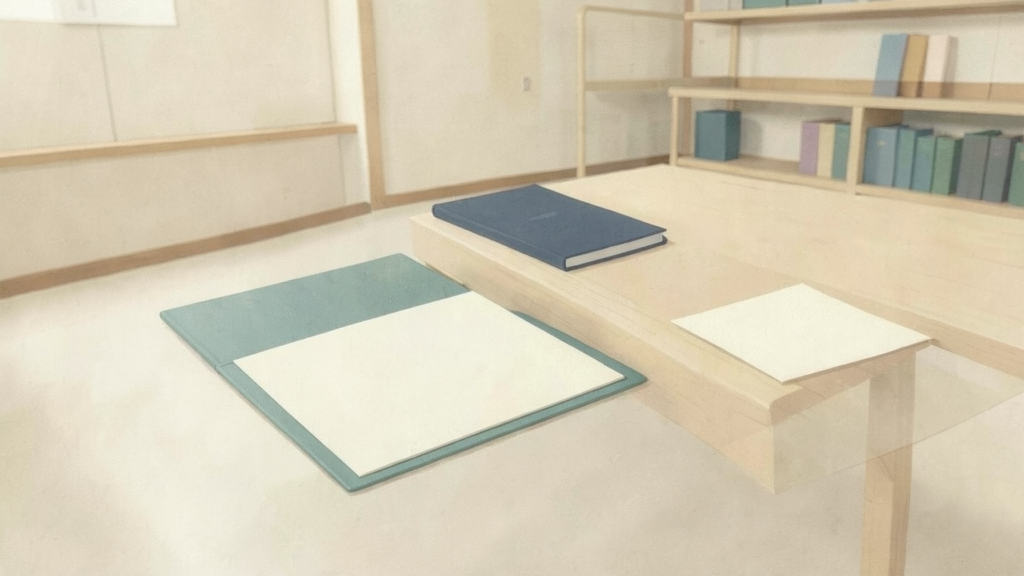
Yusuf returned the folder instead of opening the page for Omar. Omar read the corrected entry and followed it to the sheet with the specified date. He compared its opening instructions with the inventory, then marked that entry alone. He did not move on to the other items; little meeting time remained, and he had not tested them. In the margin, Yusuf noted what had caused the confusion, ready to show the two versions during the review.
Teacher Maher opened the folder Yusuf had placed before him and began scanning the inventory list with focus. He flipped through the pages one by one, examining the new arrangement and the notes Yusuf had added to clarify the paths. He was not looking for quantity, but for the clarity of the steps Omar would follow. The teacher pulled a sheet from the middle of the folder, pointed to a side note, and then looked at Yusuf, who watched silently, waiting for his teacher's evaluation of the effort spent organizing these materials.
Maher said while partially closing the folder, "You have done a good job identifying the basics, but the responsibility is now shifting gradually. I will assign Omar a specific task: monitoring only two exercises from this list under my direct supervision over the next two weeks." The task was not large, but it was a practical step to ensure Omar could navigate the folder without relying entirely on Yusuf's direct guidance. The teacher wanted to test Omar's ability to extract the correct information from among the organized papers.
The three agreed to set a simple date to review what was accomplished during that short period. Maher said, "We will meet in two weeks to see how it went, and we will focus only on that specific part we identified." The teacher did not make promises of great success or excellence; he focused on a realistic review of the practical steps. Yusuf and Omar nodded in agreement, and Yusuf felt a slight sense of relief seeing his work begin to turn into an organized responsibility. At the end of the session, the teacher asked Omar to begin reading the first exercise in the list and note his initial observations.
Two weeks later, Omar returned to the table at the agreed time. Maher placed the folder before him and asked him to prepare the first exercise sheet for the meeting. Omar read its title and date in the inventory, then found the matching copy and laid them together. Yusuf kept his hands beside his bag. Omar paused and asked whether he needed the answer sheet as well. Maher asked him to check the instructions before adding anything. Omar found the line listing what to prepare and followed it. Yusuf had not needed to search for him.
Omar returned the sheet to its place and recorded that he had practised finding and replacing it under their teacher's supervision. He pointed to the second exercise and said he had not tested it in the same way. Maher left that entry unmarked and set aside a short time to check it at their next meeting. Yusuf looked from the old copy in the draft sleeve to the date that had helped Omar choose. One step could now be followed; others still needed trying.
Before Yusuf packed his transfer papers, Maher suggested a small sorting trial. You can try it too: label two blank sheets “Window Exercise” and “Garden Exercise,” giving each a different invented date. List both titles and dates, then ask a classmate to find and replace one sheet. If the description causes confusion, change it and try that step again. Yusuf closed his bag, leaving the folder on the table with their teacher.