
Grégory Gonty: From the Beauty of the Call to Prayer to a Search Joining Faith and Identity
Grégory Gonty grew up near Liège in Belgium, with a Belgian father and a Luxembourgish mother, in a Catholic family that was not devout. He attended catechism and the customary early rites, but religion was not a subject of conversation at home. At fourteen, after a difficult family period, he travelled with his mother to southern Morocco. The calls to prayer, local crafts and culture struck him as signs of beauty and harmony. They awakened curiosity; they did not yet amount to a decision.
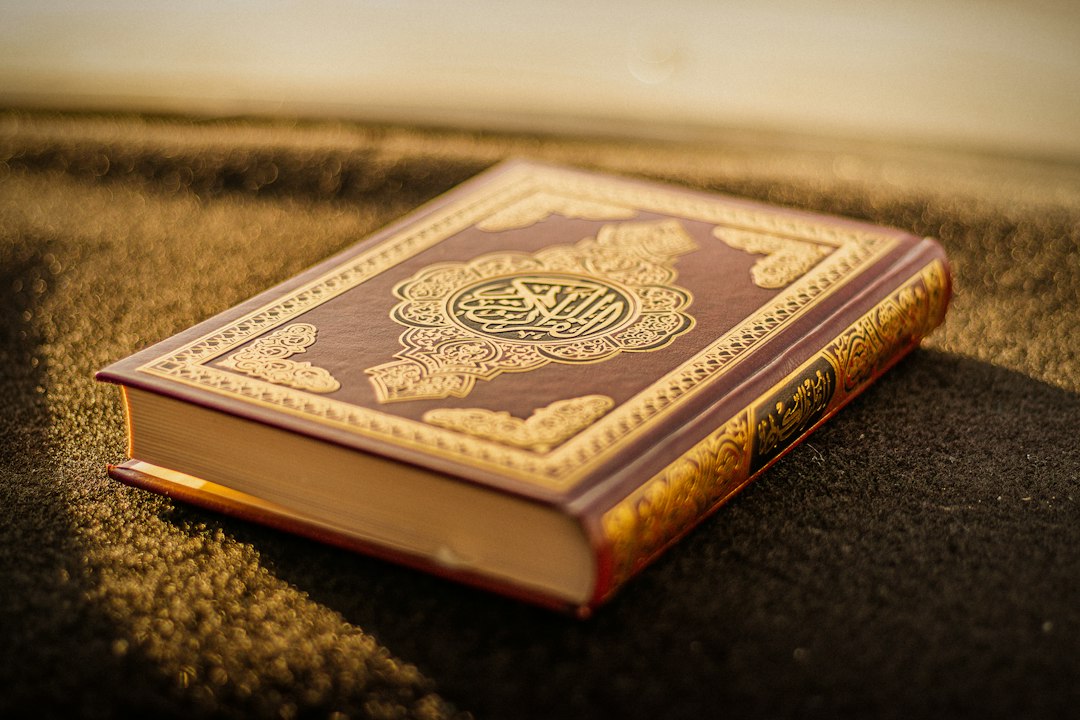
Over the following years he read the Qur’an and other works about Islam. His questions reached beyond the memory of a journey: what can a person know, what ought one do, and what may one hope for after death? He found that uncompromising monotheism, good action and belief in the hereafter gave these questions a connected frame. In 2012, aged twenty-one, he went alone to his neighbourhood mosque in Liège.
From the back of the room he watched the sunset prayer. He had not declared his faith and did not know how to join. The worshippers came from different ages and backgrounds; their shared prayer and solidarity resembled what he had been seeking. The young people responsible for social activities answered his questions and discussed conversion, then left him time and freedom without pressure. Three days later he returned and made his declaration of faith.
An intense early period followed. He prayed often, went frequently to the mosque and studied religious texts, driven by a thirst for knowledge and spiritual improvement. He did not want unexamined attachment to a school, so intellectual independence led him to Arabic and Islamic studies. Roughly two years later he entered the Almizan academy in Brussels. His later research produced a French introduction to Ibadism in 2021, while he made clear that he did not belong to that school.
In his dated 2025 testimony, Gonty described a calmer, more inward practice. The five daily prayers and Ramadan still structured his life, but Islam no longer appeared to him as a break with Belgian identity. He spoke of his family’s acceptance, of serving God through opposing injustice, helping neighbours and giving alms, and of continuing theological study with hopes of research and teaching. These are statements about his life at the time of the interview, not an inference beyond it.
No source establishes a calendar date for the shahada. The secure fact is that it occurred in 2012, three days after his first mosque visit, whose date is not given. The Almizan academy and publisher pages independently support his identity, studies and book, but they do not record the declaration itself. They therefore cannot establish a day, witnesses or details that Gonty did not provide.