
Robbie “Hamza” Maestracci: asking for a path to follow
Robbie Maestracci grew up with an intermittent experience of religion, then moved away from it. When he returned from the United States to Australia at sixteen, he felt uprooted from his life and friends. He left school, and recreational drug use remained in the background until the collapse of his early marriage sent him further into drugs, crime, and a prison sentence in 2007.
Leaving prison did not change him at once. He said he went straight back to the same behaviour. A different movement began when he realised that he had become the worst version of himself. He tried to be honest with himself and others, attended a Baptist church, and helped prepare meals for people in need. Those steps showed him that change was possible, even if he had not yet found a clear path.
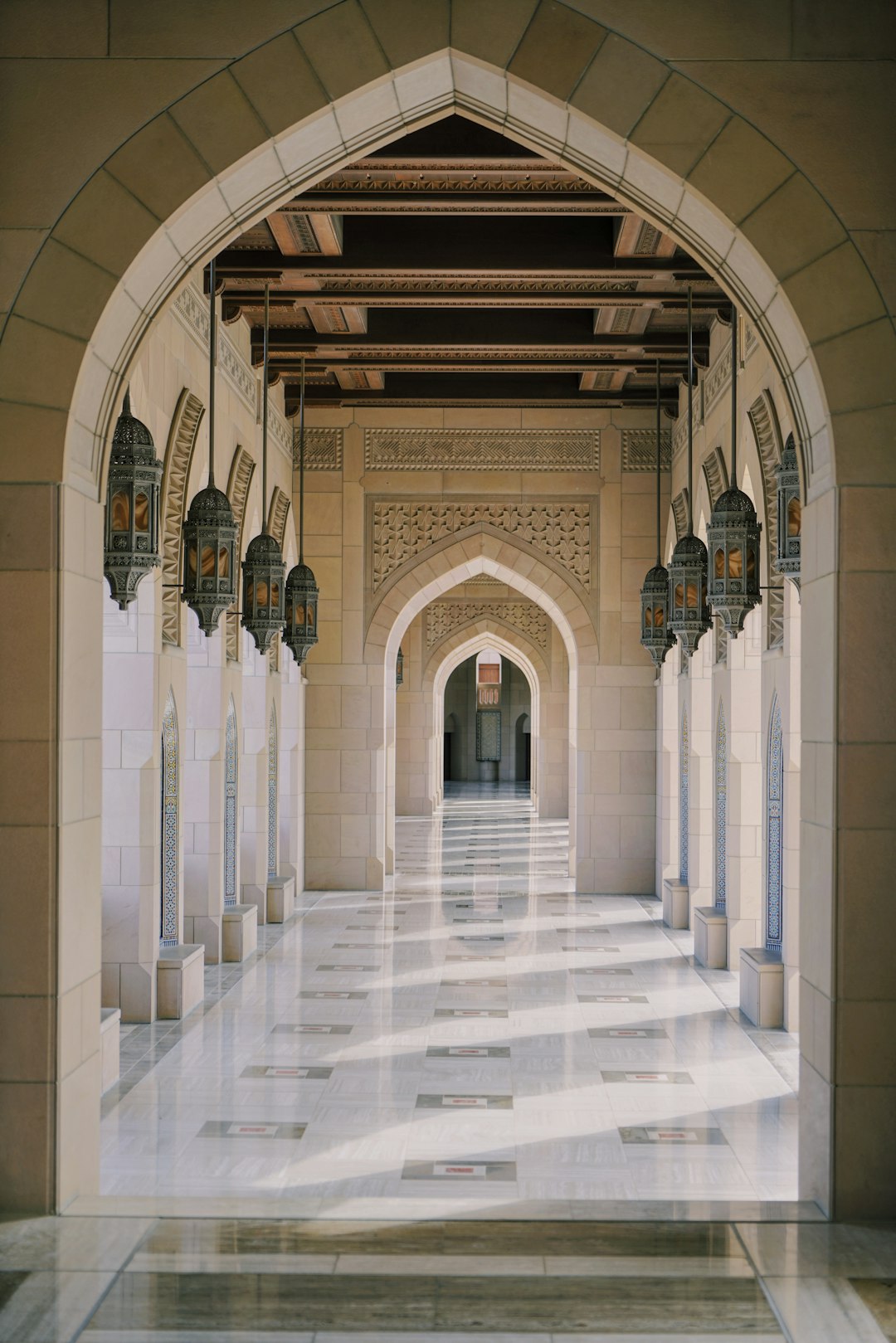
He still believed in God, but said that his understanding of Christian theology did not satisfy him. In the back of his mind was a longstanding wish to read the Quran and visit a mosque. On a day he described as particularly difficult, he called a taxi driver named Mohammed whom he had met a few weeks earlier. He asked to go to the mosque because he needed guidance and help.
Mohammed took him there that evening. Robbie spoke with an imam, watched the congregation pray, and described a sense of serenity and belonging. He said he declared the shahada that same night. In his 2017 account, he placed that night roughly five years earlier, around 2012.
His attraction to Islam was not only about a system of conduct. He admired the strength he saw in Muslims who abstained from alcohol and drugs, and he also stated his conviction in tawhid and in the Quran as the final revelation. Clear rules supported his change, while theological belief remained part of the decision as he told it.
Robbie attributed a transformation in his life and his departure from drugs to Islam, saying in 2017 that he had been clean for five years. He also said that his mother embraced Islam three months after him, while most people around him supported the change they saw in his life.
In 2017, he also recalled facing prejudice over his beliefs, experiencing a kind of hostility he had never known before.
He later moved into community outreach and youth mentoring. In 2018, the Guardian reported that he was visiting Muslim prisoners every week and helping people during detention and after release to find work and avoid returning to crime. A personal request for guidance had grown into practical work intended to help others find a way out of a cycle he knew himself.
Sources
- SBS Voices — Robbie’s first-person account, 27 October 2017
- SBS — documentary introduction to his journey and community work, 5 October 2017
- The Guardian — independent interview on his prison mentoring, 5 January 2018
Photo: Niklas Weiss / Unsplash.