
Gratitude in Islam: How to Practise Shukr in Daily Life
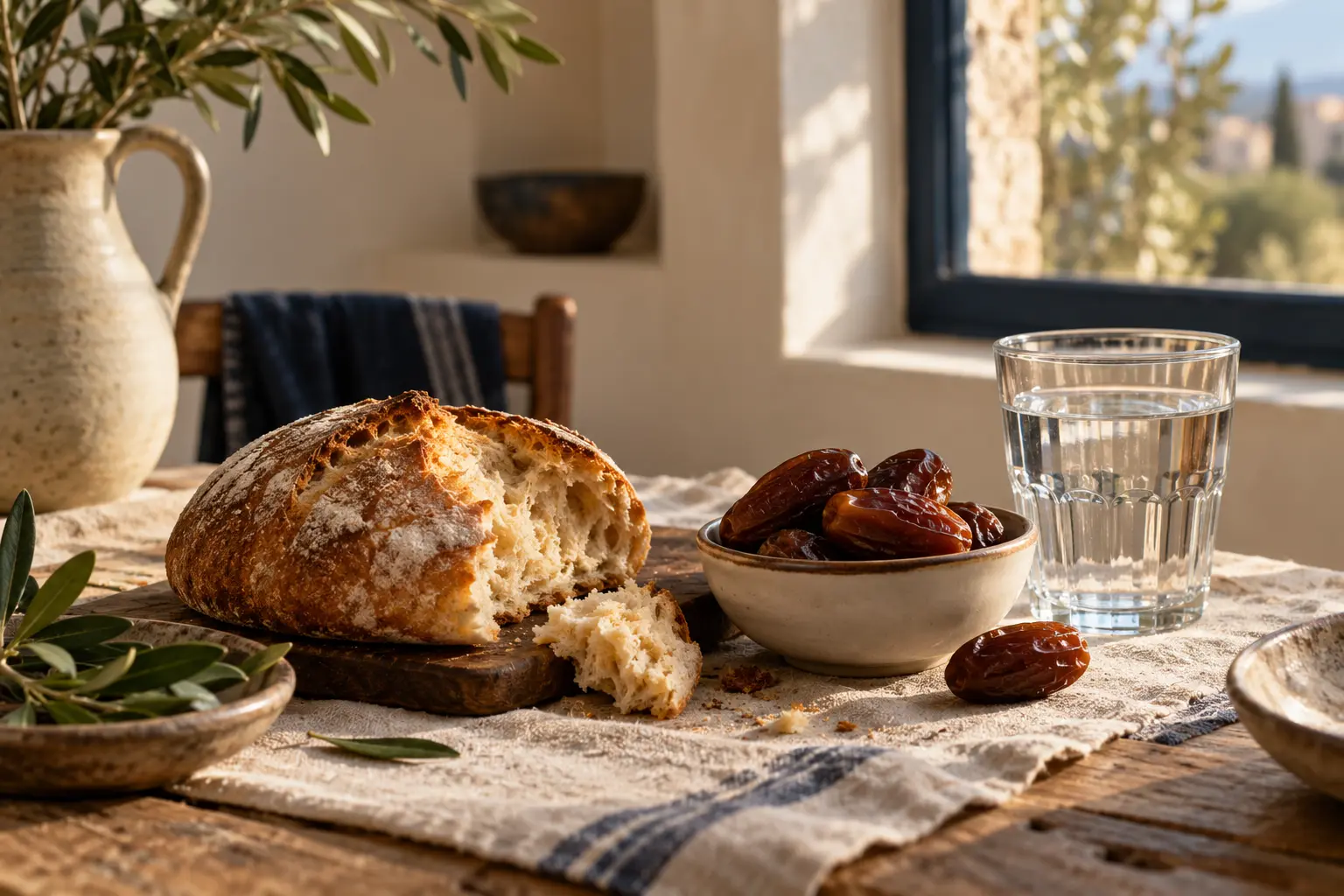
Practising gratitude to Allah begins with recognising His blessings, praising Him for them and using what you have with care. The starting point may be ordinary: drinking water, time you can use or someone who has helped you. Familiarity does not make a blessing less valuable.
We sometimes postpone gratitude until something significant arrives: a success, new income or the end of a difficult period. Meanwhile, the good already present becomes background. You can begin noticing it before every problem is resolved.
Notice what has become familiar
Qur’an 14:7 contains Allah’s promise of increase for gratitude, within a passage recalling Moses’ reminder to his people of Allah’s blessings. Readers should not turn that promise into their own guarantee of a particular material reward at a chosen time. Surah Ibrahim, verse 7.
Pause over one blessing you can identify clearly. It may be the ability to read, an opportunity to correct an error or a relative willing to listen. Recognise it, praise Allah and consider how to care for it.
This suggested reflection has no prescribed number or special religious status attached to its timing. Its purpose is to help you attend to something that the busyness of the day has obscured.
Let gratitude shape what you do
If you are grateful for time, consider how you use the portion you can control. If you are grateful for knowledge, convey it honestly and avoid treating people who have not learned it as inferior. If you have resources, pay attention to the responsibilities that accompany them.
Consider an imagined everyday example. Someone receives help from a brother while moving house. They can express thanks sincerely, take care of borrowed tools and return them when promised. Appreciation becomes visible in conduct.
Gratitude does not require elaborate speeches. A clear acknowledgement, followed by appropriate care, can give the person who helped you a meaningful response.
You can also notice where convenience has made you careless. An easily replaced possession still deserves responsible use. A reliable person still deserves consideration.
Gratitude can accompany difficulty
You may appreciate a blessing and still feel the pain of loss or strain. Acknowledging one does not require denying the other. You can thank Allah for the support available while seeking help with a burden you cannot manage alone.
Avoid using reminders about blessings to silence another person’s distress. When a relative describes a difficulty, understand the need before listing what they should appreciate. They may need a listener or a specific act of assistance.
Likewise, do not treat your advantages as proof that you are worth more than someone else, or another person’s hardship as a measure of their standing before Allah. Your immediate responsibility is to recognise what you have and respond well to it.
End with one practical question
Choose a blessing you noticed today and one action that would express care for it tomorrow. Access to a book may invite useful learning. A relationship may call for reliability and kindness. A free hour may allow you to fulfil an overdue responsibility.
The purpose is not to produce the longest gratitude list. It is to keep praise connected to attention and action.
Tomorrow, when you reach for the same glass of water, you may notice something that passed unremarked today. The words “alhamdulillah”—praise be to Allah—can then be spoken with greater awareness of their meaning.