Raees Mohammed: When Leaving an Inherited Caste Became a Search for Dignity
What happens when a name is treated, before its owner can speak, as a label for an inherited occupation and a fixed social place? Raees Mohammed lived that question in India as Ravichandran Bathran, the son of parents who worked in sanitation. It followed him through years of media work and research into caste.
In 2011 he founded Dalit Camera, a platform documenting the voices of Dalits, Adivasis, Bahujans, and minorities. Filming was not separate from his own life. It became a way to understand the humiliation faced by his family and sanitation workers, and to challenge a language that stains workers instead of recognizing their labour and rights.
Years of inquiry
In his 2020 first-person essay, he said he had studied caste for fourteen years and worked with the Dalit movement through Dalit Camera for eight. Along the way he returned to Ambedkar and Periyar and to a difficult question: how could a person step outside a social identity assigned at birth?
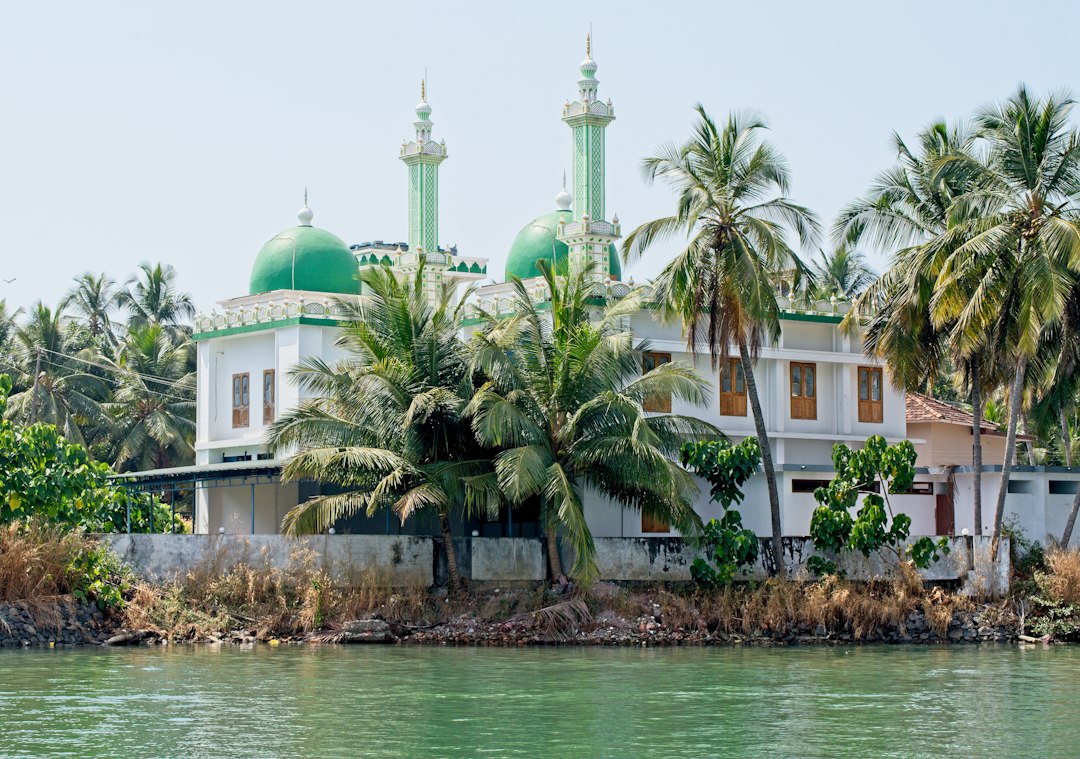
He came to see Islam as a way out of that inheritance. In his essay, one detail about mosques stood out: toilets were within their grounds. He contrasted this with the exclusion of sanitation workers from homes that he described in his own society. The observation became part of his personal explanation of why mosques attracted him, connecting a familiar everyday space with his concern for dignity.
30 January
In January 2020 he was invited to Kodungallur, Kerala, to speak at a public gathering. There, on 30 January, he embraced Islam and took the name Raees Mohammed. The date carried political and human meaning for him, while the town was a place he had visited in childhood and now entered with a new decision.
He did not describe the change of name as contempt for the name lovingly chosen by his parents. He rejected the caste and hereditary occupation society had attached to it. After becoming Muslim, he remained connected to Dalit Camera. “Dalit,” in his account, expressed solidarity and a struggle for dignity rather than a caste identity he wished to carry.
A new name, continuing work
In a September 2021 interview, he described continuing social, political and financial pressures on Dalit Camera: its members had begun their work before achieving economic stability or wider social acceptance.
He continued working with sanitation workers and received the M. Rasheed Award on 9 October 2022 for his contribution to social justice. In August 2024, he discussed discrimination within marginalized communities themselves. The interview also introduced him as the owner of a septic-tank cleaning business.
Changing his name did not end his engagement with workers’ dignity. His later work and testimony returned to concerns that had shaped his life for years: giving marginalized people a platform and challenging the discrimination he had known in his family and community.
Sources
- ThePrint — his first-person essay, 5 February 2020
- Mpositive — republication of the same essay
- Rediff — interview, 8 August 2024
- ASAP Connect — Dalit Camera profile, 9 March 2022
- Video4Change — interview, 16 September 2021
- Round Table India — M. Rasheed Award report, 12 October 2022
Photo: Brian Scott / Unsplash.