
Steve Wood: When Guard Duty Opened a Door to Questions
Steve Wood arrived at Guantánamo in 2004 with a distant picture of Islam and Muslims. Raised in a small Oregon town in an evangelical setting, he later said that he had never met a Muslim and knew little about other faiths and cultures. After the attacks of September 11, his desire to serve in the military intensified; in his own account, he hoped for an assignment with a clear and important purpose.
He did not remain long in the ordinary cellblocks. Wood was selected for the night shift in Echo Special, a secret single-occupancy unit where Mohamedou Ould Slahi was held alone and treated as an exceptionally dangerous detainee. The instructions and precautions suggested that Wood was guarding one of the most dangerous men alive. Yet the hours he spent near Slahi did not fit the ready-made picture with which he had arrived.
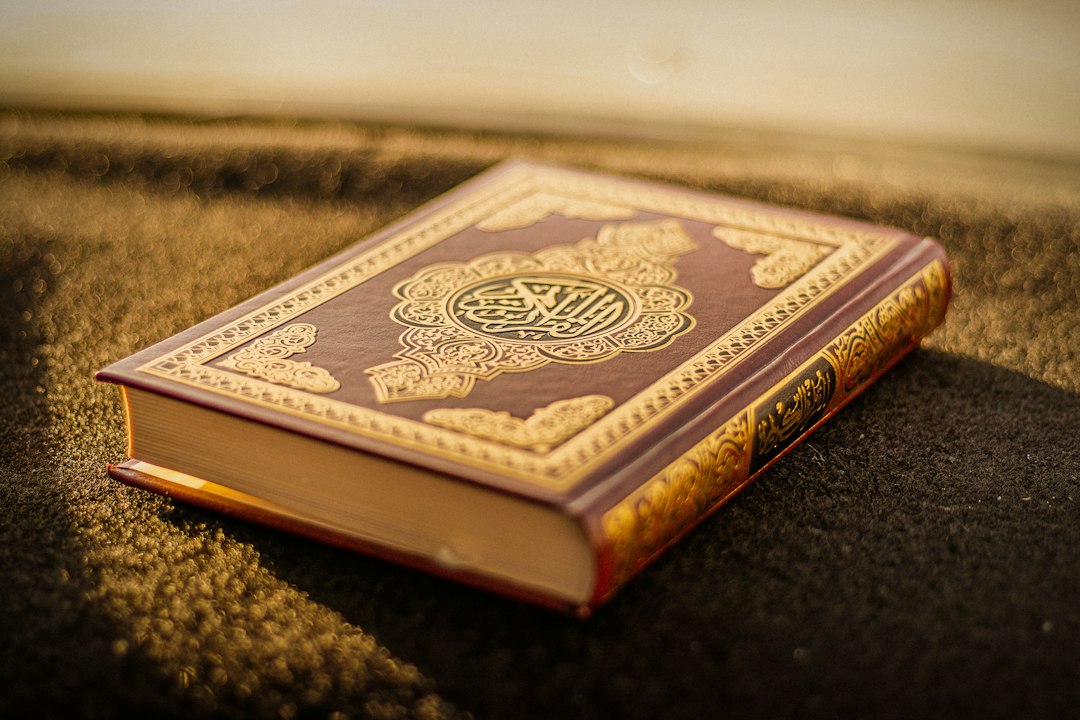
Guard duty brought Wood close to a man who challenged him to read about history, politics and religion. At times he opened Slahi’s Quran and gave him a verse number; Slahi recited it from memory in Arabic and explained its meaning in English. Wood described this as his first direct encounter with the Quran. He wanted to ask more, but said he feared that an interest in Islam would arouse suspicion on the base. [3]
He also saw the order of the five daily prayers in conditions where a prisoner possessed very little. Back in Oregon, Wood began reading books about Islam that he had been afraid to request while on the base. He searched for news about Guantánamo and about the man he had guarded. Islam was no longer merely an image attached to news reports; it had become a question that required reading the Quran and history, and separating a religion from the actions and politics surrounding it.
His visits to Portland’s Masjid As-Saber began in 2006. He went between prayer times to avoid feeling pressured to participate. During visits over the following months, he told two Saudi students on his third visit that he wanted to become Muslim; they witnessed his shahada. In the Amanpour interview published in May 2019, journalist Ben Taub placed Wood’s conversion in 2006, about a year after he left Guantánamo. [5.1] [5.3]
The new life did not follow a steady course. The 2019 article says he first attended prayers sporadically. Later, reports about some people around the mosque frightened him; he stopped praying in public and said he wanted the matter to remain between himself and God. Describing a later period, the article says he rarely prayed and found less solace in the religion, while still believing in his heart. This was the account given of that period in his life. [6]
In October 2016, after his release, Slahi called Wood: a voice he had not heard for eleven years returned. Wood visited him in Mauritania in January 2019, accompanied by Ben Taub, who documented the trip. They spent four days together and, the article records, prayed together. Beyond the prison, the visit renewed a friendship that had begun during guard duty, after direct acquaintance and reading had led Wood to the religious choice he later described. [7.1] [7.3]
Sources
- Guantánamo’s Darkest Secret — The New Yorker — 2019-04-15
- ‘We don’t live in a world of goodies and baddies, do we?’ The true story behind The Mauritanian — The Guardian — 2021-03-26
- My Brother’s Keeper — The Guardian — 2021-02-23
- CNN — Amanpour transcript, Ben Taub interviewed by Alicia Menendez, 2019-05-10