
كيف أقرأ قصص الصحابة قراءة متأنية؟
Story code: B15 | Age: 3–5 | Length: 2–4 minutes
A picture story about four-year-old Adam with his mother, father, and little sister. Together they notice the water, bread, time, and work behind a familiar meal.
Scene One
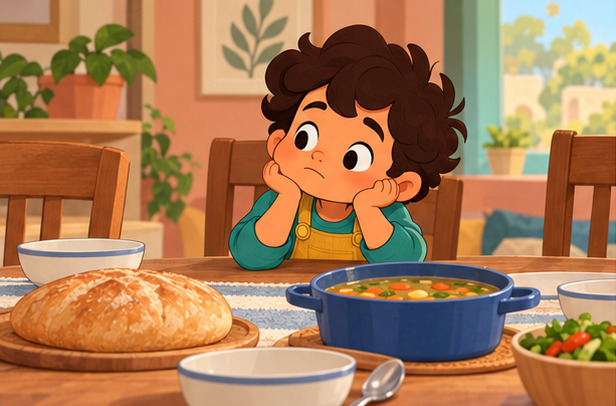
Adam looked at the table. “The same bread. The same soup. Everything is ordinary.” “Perhaps it feels ordinary because we see it often,” Mama said. “Will you help me before we eat?”
Scene Two
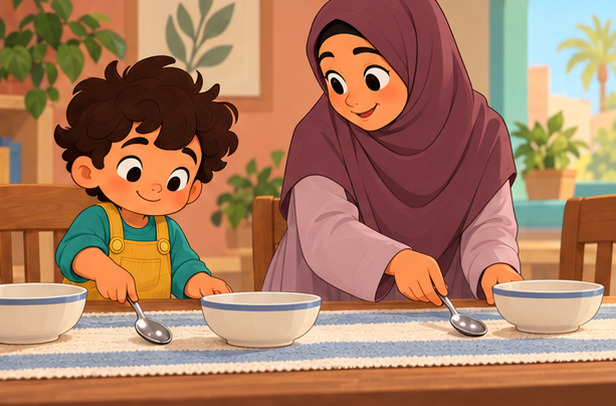
Adam carried the spoons and placed one beside each bowl. The table had not prepared itself. Every spoon needed a hand to carry it and a tidy place where it could wait.
Scene Three
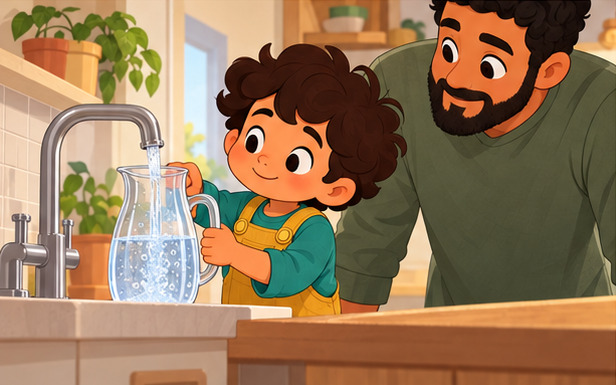
Adam filled a jug and listened to the water splash inside. “Even the water had to reach us!” he said. Baba stood beside him and steadied the jug. Together, they set it on the table.
Scene Four
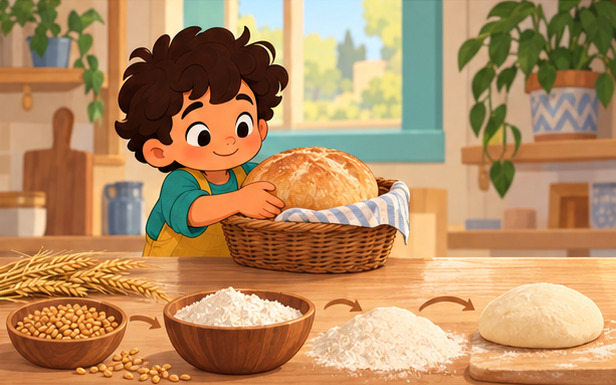
Adam put a round loaf in the basket. “Who made this?” he asked. “The baker,” Mama said. “Before that, grain was grown, ground into flour, and mixed into dough.” Adam pictured the long path to one loaf.
Scene Five
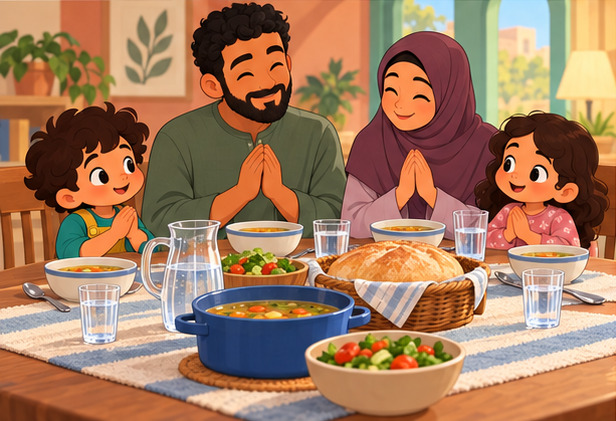
The family sat down. Adam’s little sister pointed to the clean spoons. “I can see work, too,” she said. “I thought it was only soup,” Adam said. “Now I can see water, bread, time, and work.” “They are blessings from Allah,” Baba said. “We thank Him for them.” “Alhamdulillah,” they said.
Scene Six
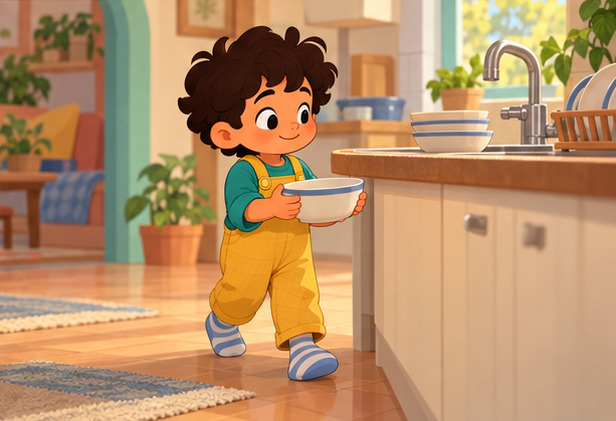
Adam tasted one spoonful. The soup was still familiar, but it no longer seemed to have appeared by itself. After the meal, he carried his bowl carefully with both hands. The table was ordinary—and full of gifts he had nearly missed.
Try It Together
Choose one familiar item—water, bread, or a spoon—and name one gift or helpful action that is easy to miss. Do not require the child to finish food.
Download the English picture-book PDF
Original fiction. The family is explicit in both text and pictures: Adam with his mother, father, and little sister. This corrected version explicitly identifies the girl as Adam’s sister. The editorial score is internal and is not global certification, human review, or child testing. No audio recording or film has been published for this story.
رمز القصة: B15 | العمر: 3–5 سنوات | المدة: 2–4 دقائق
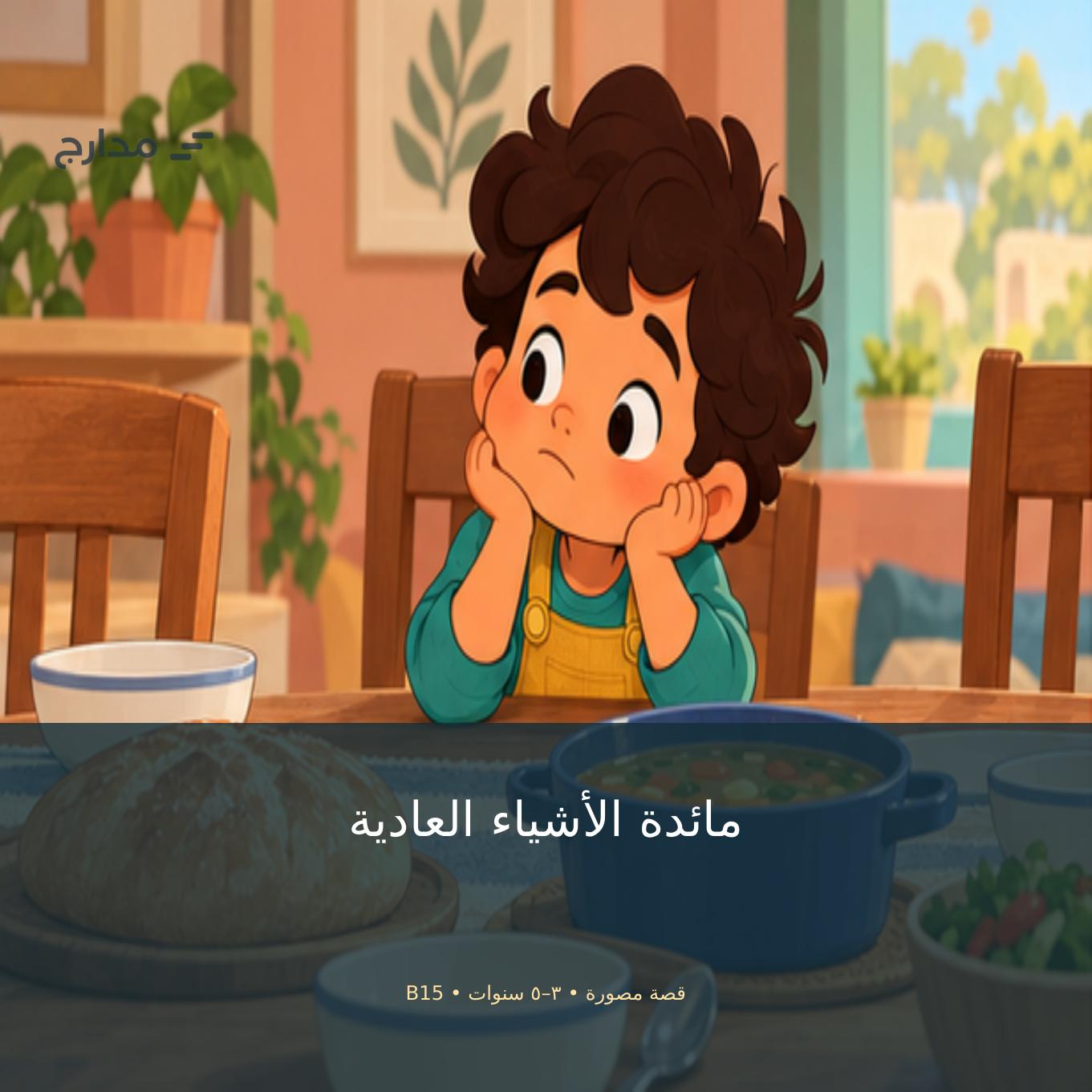
قصة مصوّرة عن آدم ذي الأربع سنوات مع أمه وأبيه وأخته الصغيرة؛ يتتبعون الماء والخبز والوقت والعمل وراء مائدة مألوفة.
المشهد الأول
نظر آدم إلى المائدة، وقال: «الخبز نفسه، والحساء نفسه. كل شيء عادي!» قالت أمه: «قد يكون الشيء عاديًا لأننا نراه كل يوم. هل تساعدني قبل أن نأكل؟»
المشهد الثاني
حمل آدم الملاعق، ووضعها بجانب الصحون. ثم حمل الصحون الصغيرة واحدًا واحدًا. لم تكن المائدة قد اكتملت وحدها؛ كل ملعقة احتاجت يدًا تحملها ومكانًا مرتبًا ينتظرها.
المشهد الثالث
ملأ آدم إبريق الماء، فسمع خريره. قال: «حتى الماء وصل إلينا!» وقف أبوه بجانبه ليساعده، ثم وضعا الإبريق على المائدة. كان الماء صافيًا وباردًا، لكنه احتاج من يملأه ويحمله.
المشهد الرابع
وضع رغيف الخبز في السلة، وسأل: «من خبز هذا؟» قالت أمه: «الخباز. وقبله زُرع الحب، وطُحن، ثم عُجن.» نظر إلى الحساء، وتذكر غسل الخضار ووقت القدر على النار. رأى طريقًا طويلًا إلى الوجبة.
المشهد الخامس
جلست الأسرة. قال آدم: «كنت أراه حساءً فقط. الآن أرى ماءً، وخبزًا، ووقتًا، وعملًا.» قالت أخته: «وأرى ملاعق نظيفة.» أشارا إلى أبيهما، فضحك. ثم قال: «وهذه نعم من الله نحمده عليها.» قالوا: «الحمد لله.»
المشهد السادس
ذاق آدم ملعقة. بقي الحساء مألوفًا، لكنه لم يعد شيئًا ظهر وحده. وبعد الطعام، حمل صحنه بيديه إلى مكانه بعناية. كانت المائدة عادية… ومملوءة بنعم كاد ألا يراها.
جرّبوا معًا
اختاروا شيئًا مألوفًا على المائدة—ماءً أو خبزًا أو ملعقة—وسمّوا نعمة أو عملًا واحدًا لا يظهر من النظرة الأولى. لا يلزم الطفل إكمال الطعام.
تحميل الكتاب المصوّر العربي بصيغة PDF
قصة متخيّلة أصلية. الأسرة واضحة في النص والصور: آدم مع أمه وأبيه وأخته الصغيرة. صححت النسخة الإنجليزية لتثبت صراحة أن الفتاة هي أخته. الدرجة التحريرية داخلية ولا تمثل اعتمادًا عالميًا أو مراجعة بشرية أو تجربة أطفال. لا يوجد تسجيل صوتي أو فيلم منشور لهذه القصة.
Story code: B12 · Age: 3–5 · Shared reading: 2–4 minutes
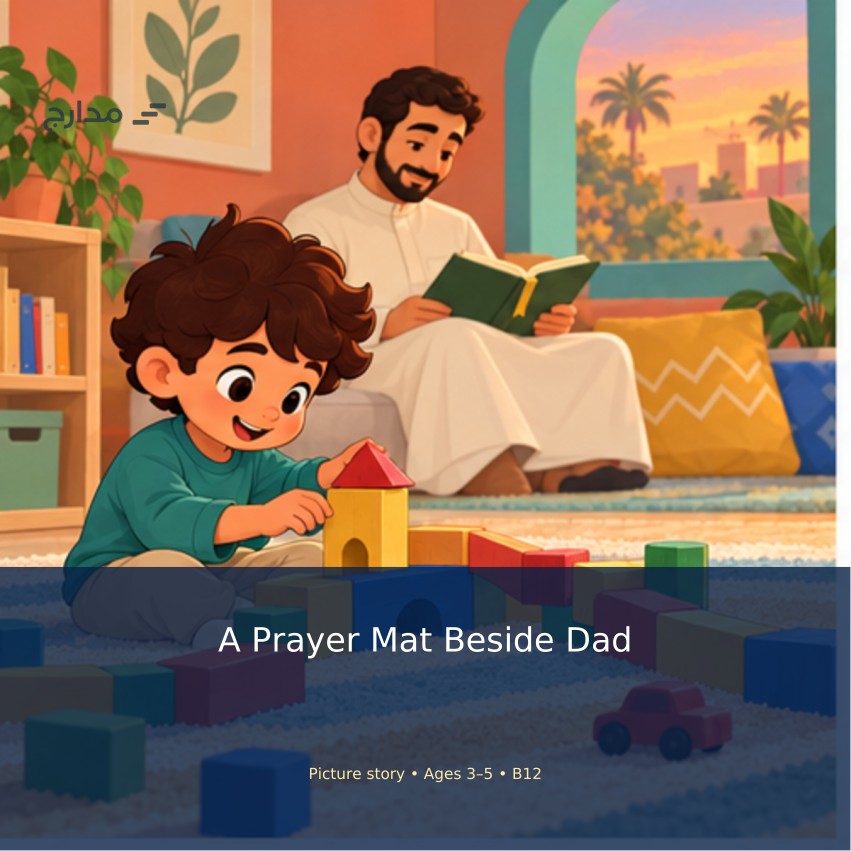
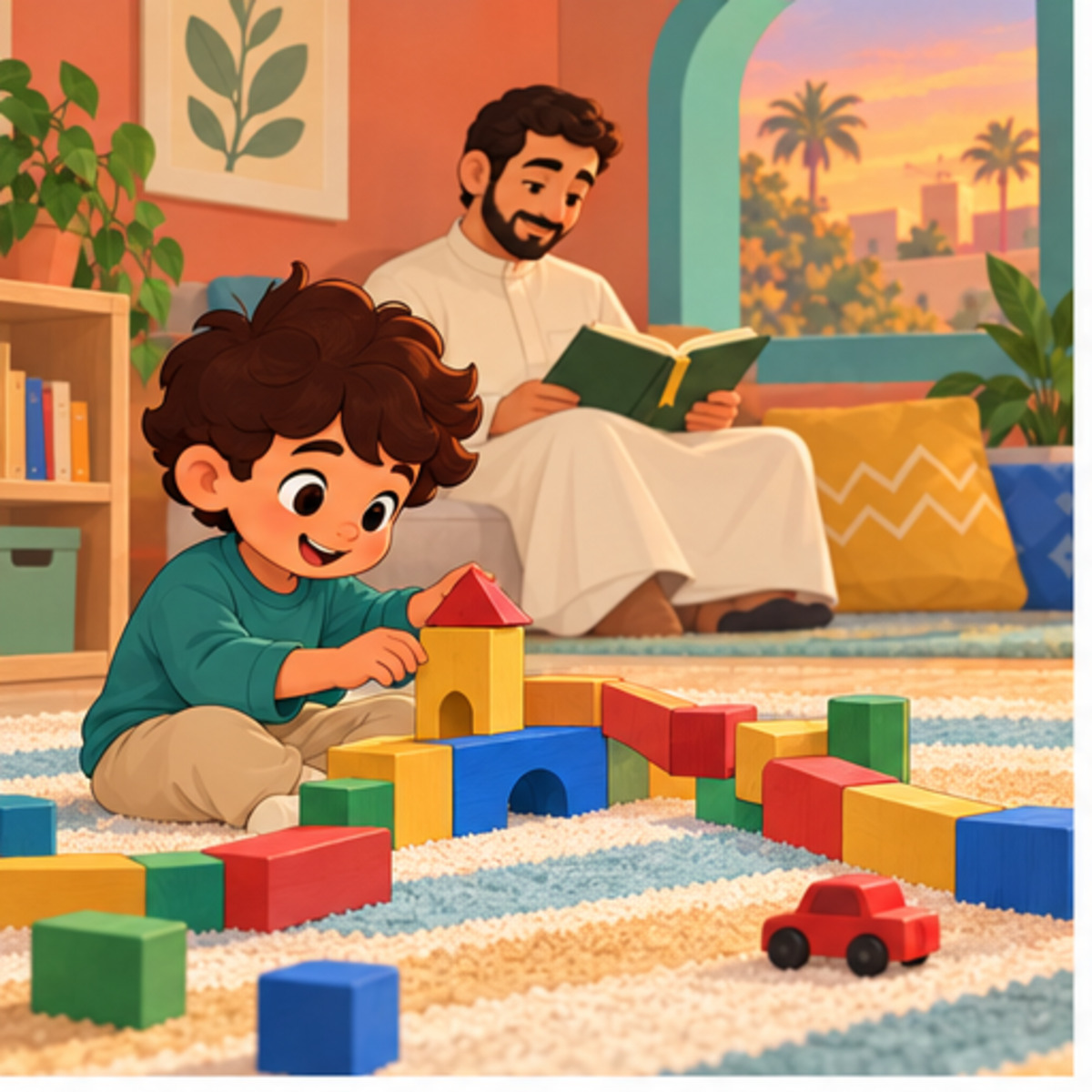
Yusuf was building a road from blocks while Dad read nearby. When it was time for the Maghrib prayer, Dad closed his book and placed a marker between the pages.
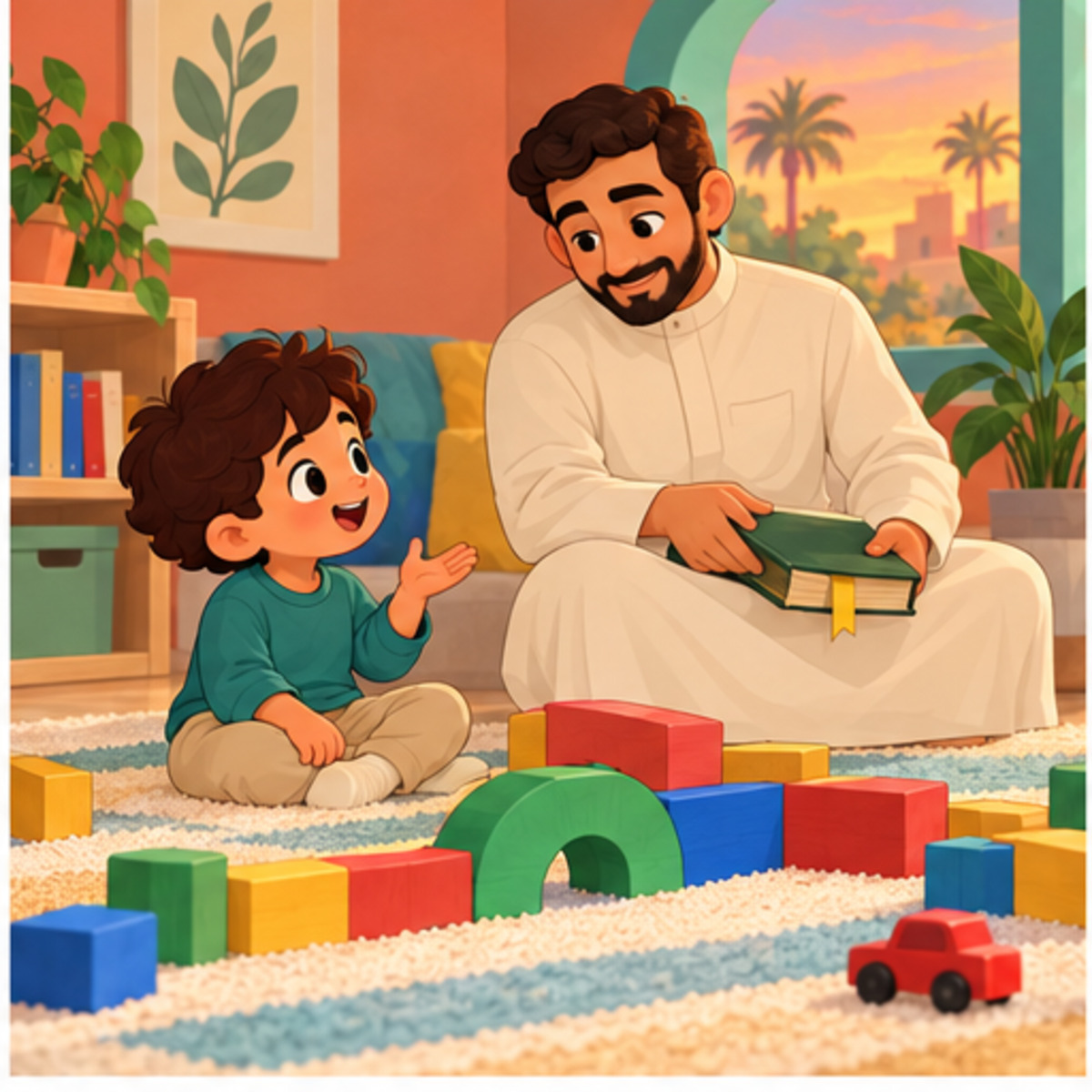
“Why did you stop now?” Yusuf asked. “Prayer is worship for Allah, and every prayer has its time,” Dad said. “The time for Maghrib has come, so I am getting ready.”
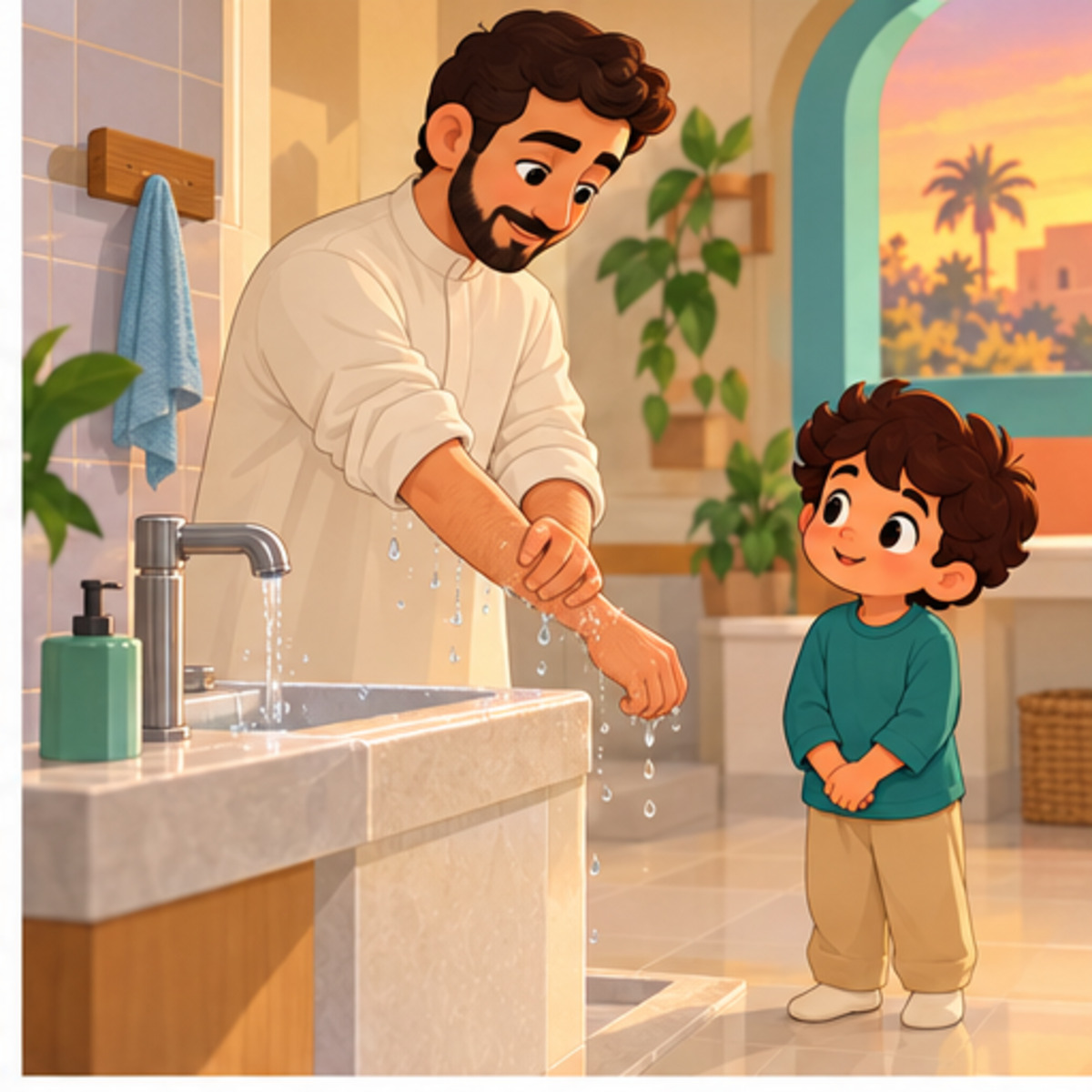
Yusuf followed his father to the washing area and stood clear of the splashing water. He watched Dad make wudu, and then they returned to the room.
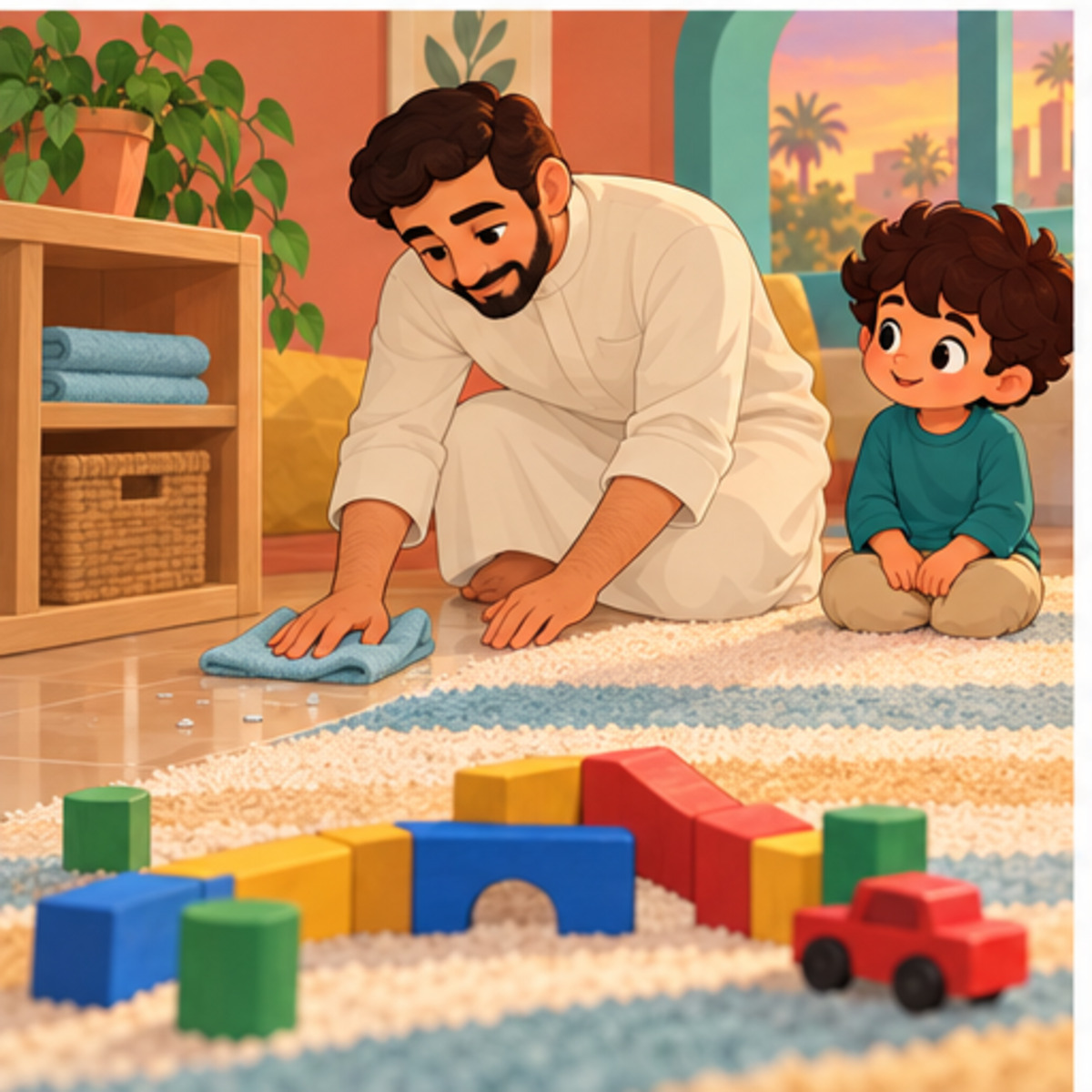
Dad wiped the drops that had reached the edge of the floor and returned the towel to its place. Yusuf saw that getting ready for prayer had calm, familiar steps.
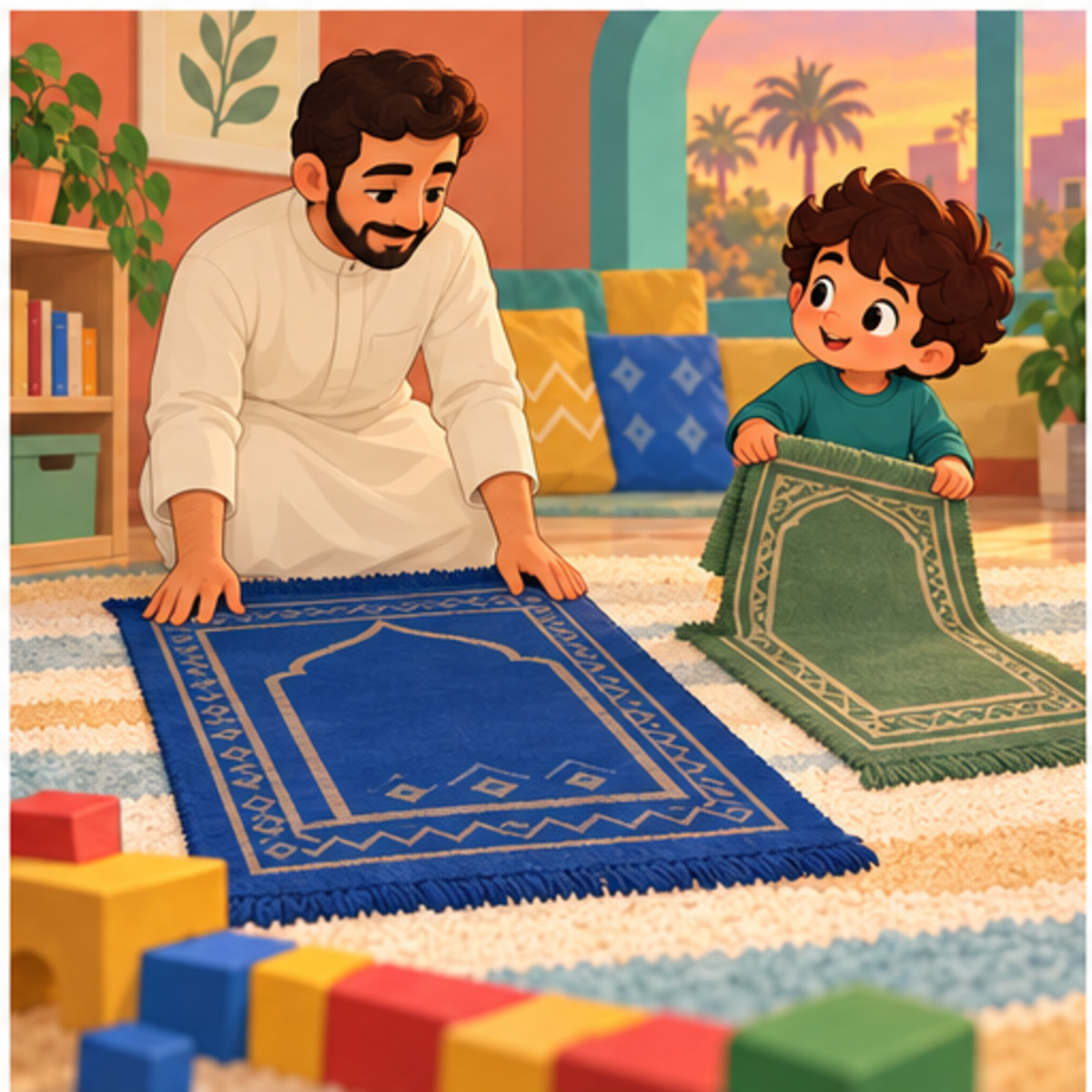
Dad spread out his prayer mat. Yusuf brought a small mat. “May I put mine beside yours?” he asked. “Yes, if you would like to,” Dad said. “You can see me pray. I will not turn it into a test for you.”
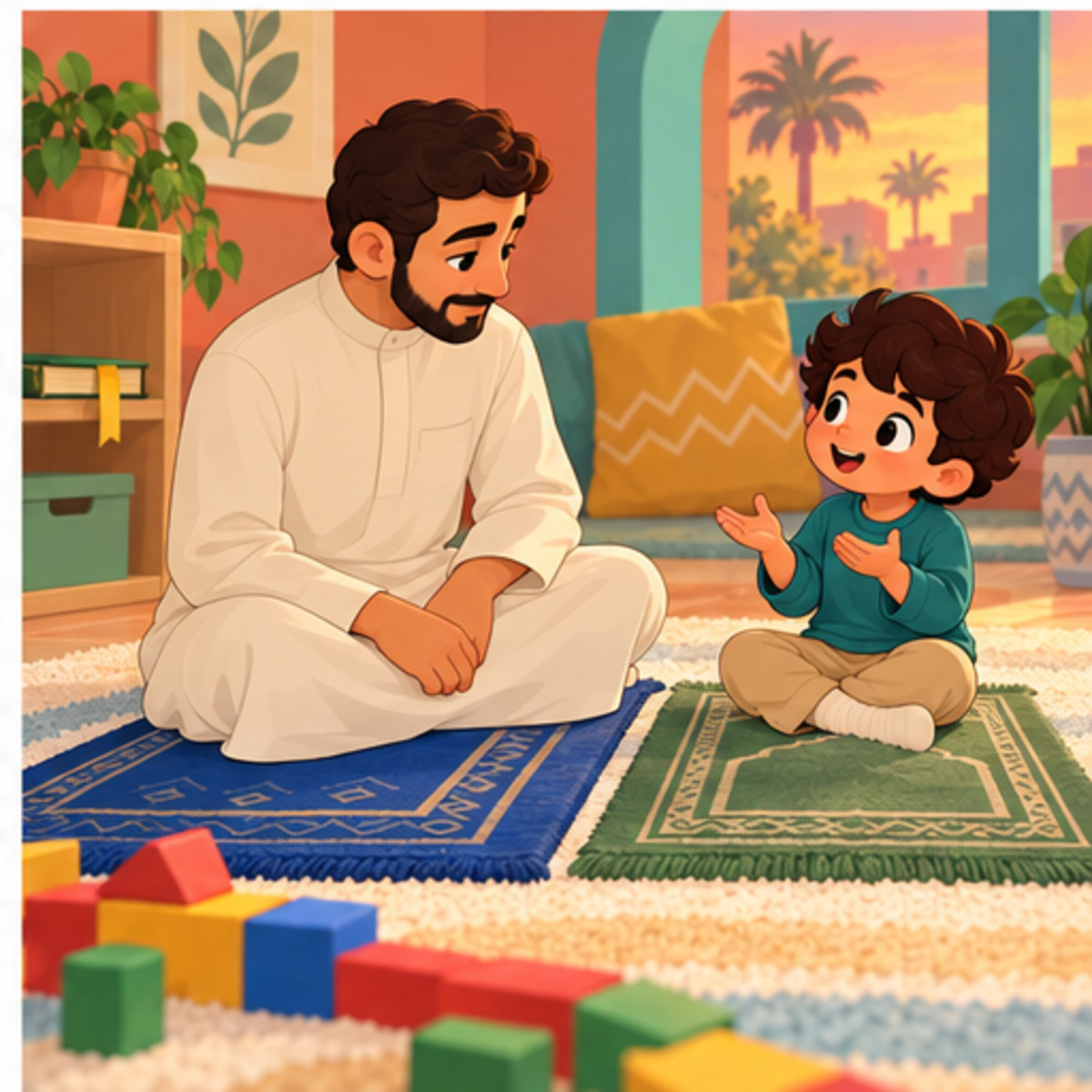
Yusuf copied some movements, sat for a moment, then stood again. After Dad finished, Yusuf asked, “Does Fajr have a time too?” Dad sat facing him so he could hear the whole question. “Yes, it has a time,” he said. “As you grow, you will learn more.” Yusuf put his mat away and returned to his road of blocks.
After-reading activity
Ask: Why did Dad close his book? What calm steps did Yusuf notice before the prayer? Let any imitation stay optional, without counting or testing.
Download the English picture book (PDF, eight pages)
The editorial review is an internal Madarej assessment, not global certification, independent human review, or child testing.
رمز القصة: B12 · العمر: 3–5 سنوات · القراءة المشتركة: 2–4 دقائق
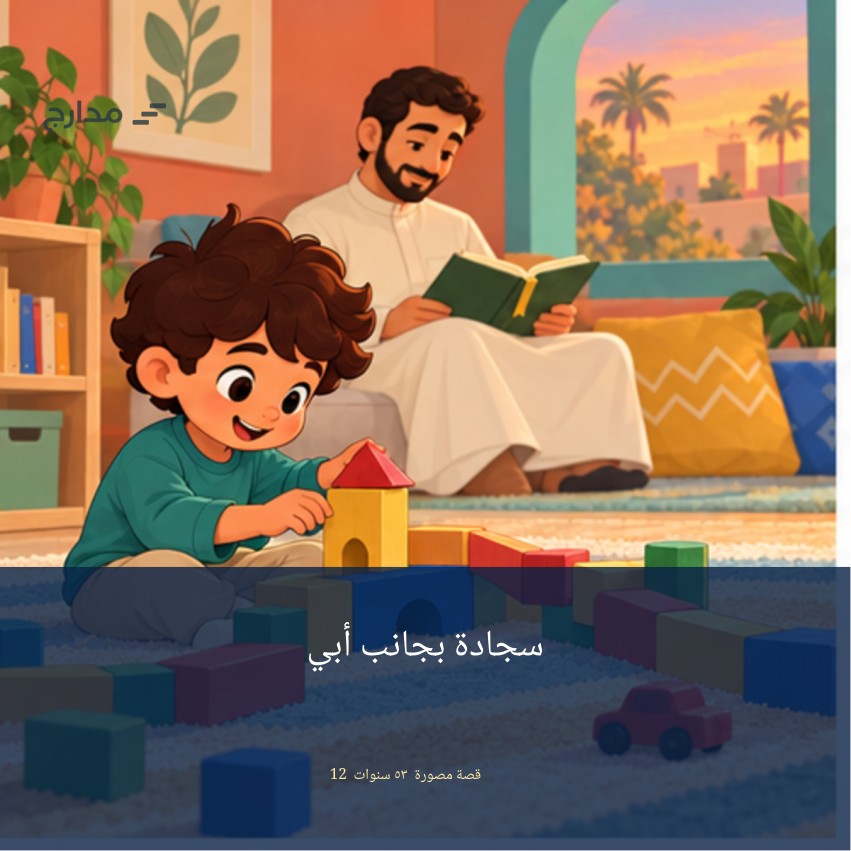
كان يوسف يبني طريقًا من المكعبات، وكان أبوه يقرأ قربه. عندما حان وقت صلاة المغرب، أغلق الأب كتابه ووضع علامة في الصفحة.
سأل يوسف: «لماذا توقفت الآن؟» قال أبوه: «لأن الصلاة عبادة لله، ولكل صلاة وقت. جاء وقت المغرب، فأستعد لها».
تبع يوسف أباه إلى مكان الوضوء، ووقف بعيدًا عن الماء المتناثر. رأى أباه يتوضأ، ثم عادا إلى الغرفة.
مسح الأب القطرات التي وصلت إلى حافة الأرض، وأعاد المنشفة إلى مكانها. رأى يوسف أن الاستعداد للصلاة له خطوات هادئة.
فرش الأب سجادته. أحضر يوسف سجادة صغيرة، وقال: «هل أضعها بجانبك؟» قال أبوه: «نعم، إن أردت. ستراني أصلي، ولا أجعلها امتحانًا لك».
وقف يوسف على سجادته، فقلد بعض الحركات وجلس لحظة ثم وقف مرة أخرى. وبعد أن سلّم الأب، سأله يوسف: «هل لصلاة الفجر وقت أيضًا؟» جلس أبوه نحوه ليسمع السؤال كاملًا، وقال: «نعم، لها وقت. وكلما كبرت ستتعلم أكثر». أعاد يوسف سجادته إلى مكانها، ثم عاد إلى طريق المكعبات.
نشاط بعد القراءة
اسألوا الطفل: لماذا أغلق الأب كتابه؟ وما الخطوات الهادئة التي لاحظها يوسف قبل الصلاة؟ اتركوا التقليد اختياريًا بلا عدّ ولا اختبار.
تحميل الكتاب المصوّر العربي (PDF، ثماني صفحات)
المراجعة التحريرية داخلية وفق منهج مدارج، وليست شهادة عالمية ولا مراجعة بشرية أو تجربة أطفال.
A picture story to read together, for ages three to five.
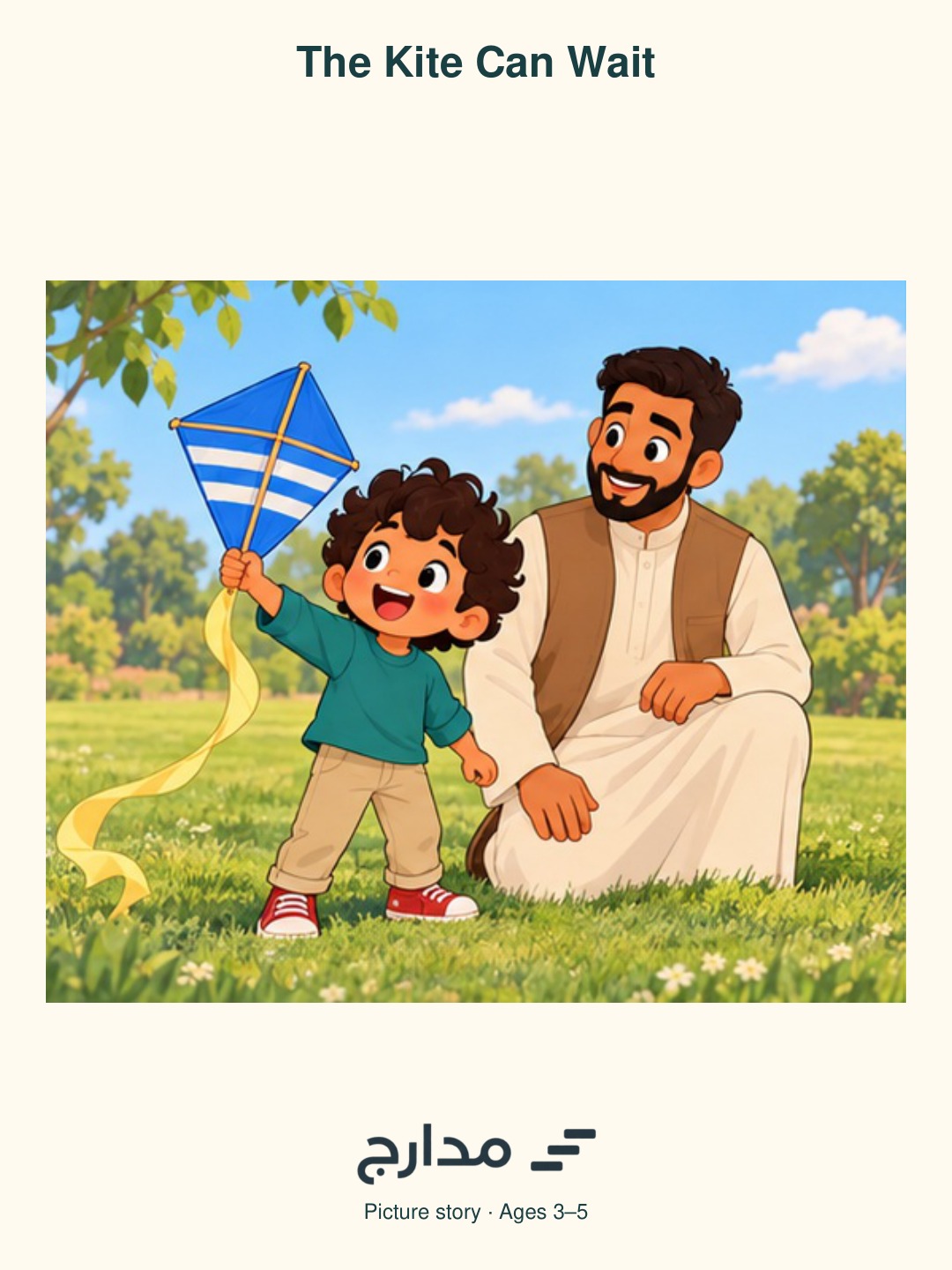
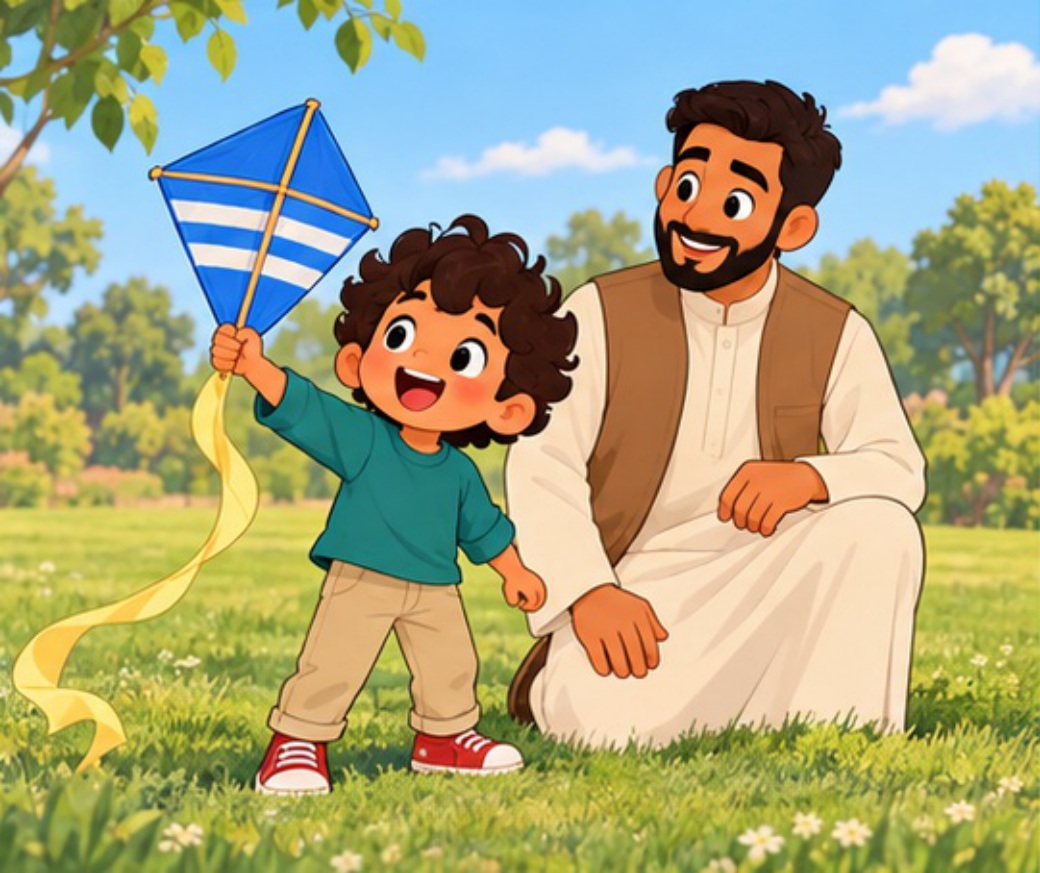
Faris made a blue paper kite with three white stripes. He went with Dad to a wide, safe field and held it above his head. “I wish it would fly right now!” he said.
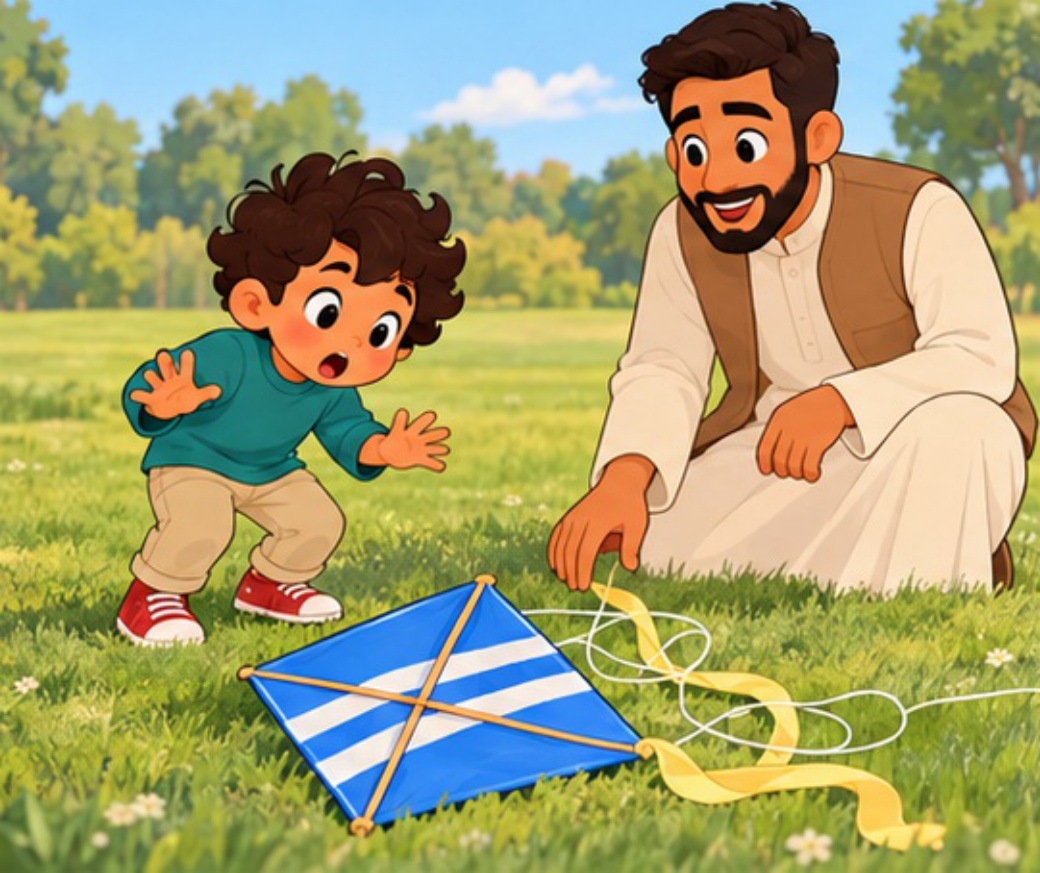
Faris ran a few short steps, but the kite tipped sideways and fell onto the grass. He tried again. Its tail twisted around the line. He looked at the leaves. They were almost still.
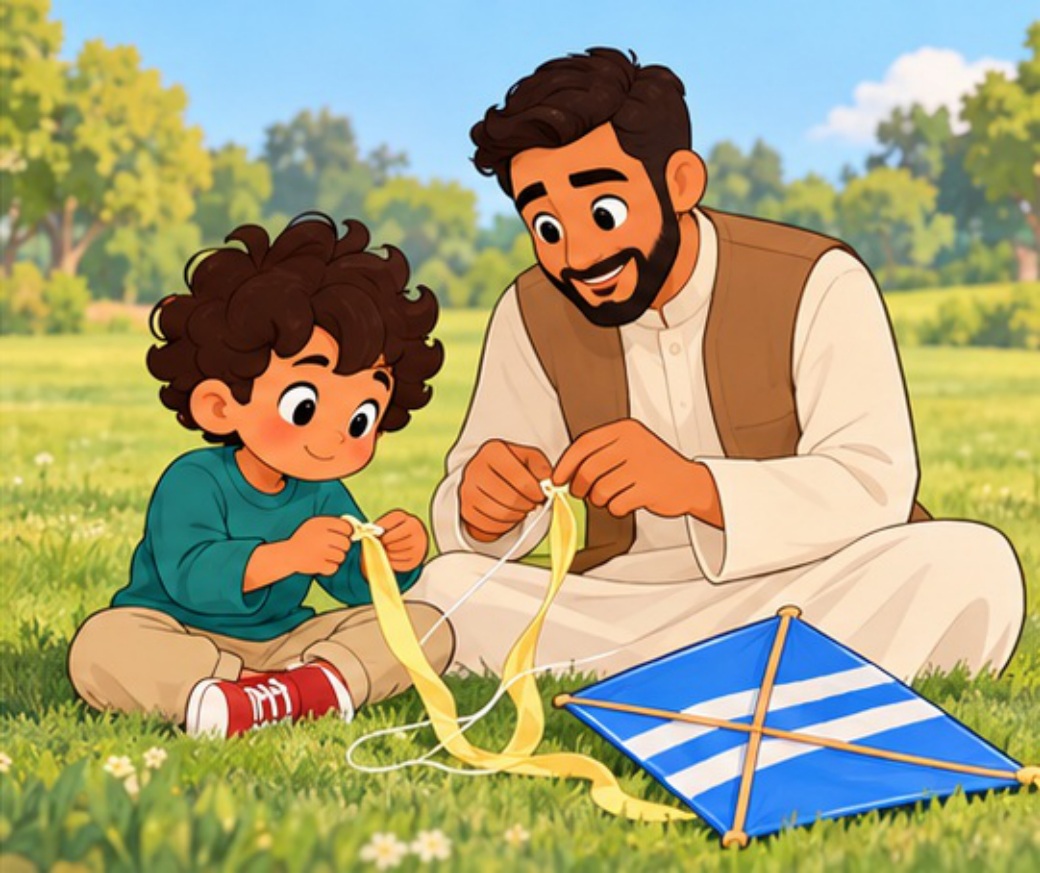
Faris sat beside Dad. “I asked Allah to make it fly. Why didn't it go up?” Dad said, “We ask Allah, and we do what we can. Let's see what the kite needs.” They checked the knot, untangled the tail and fixed the ribbon.
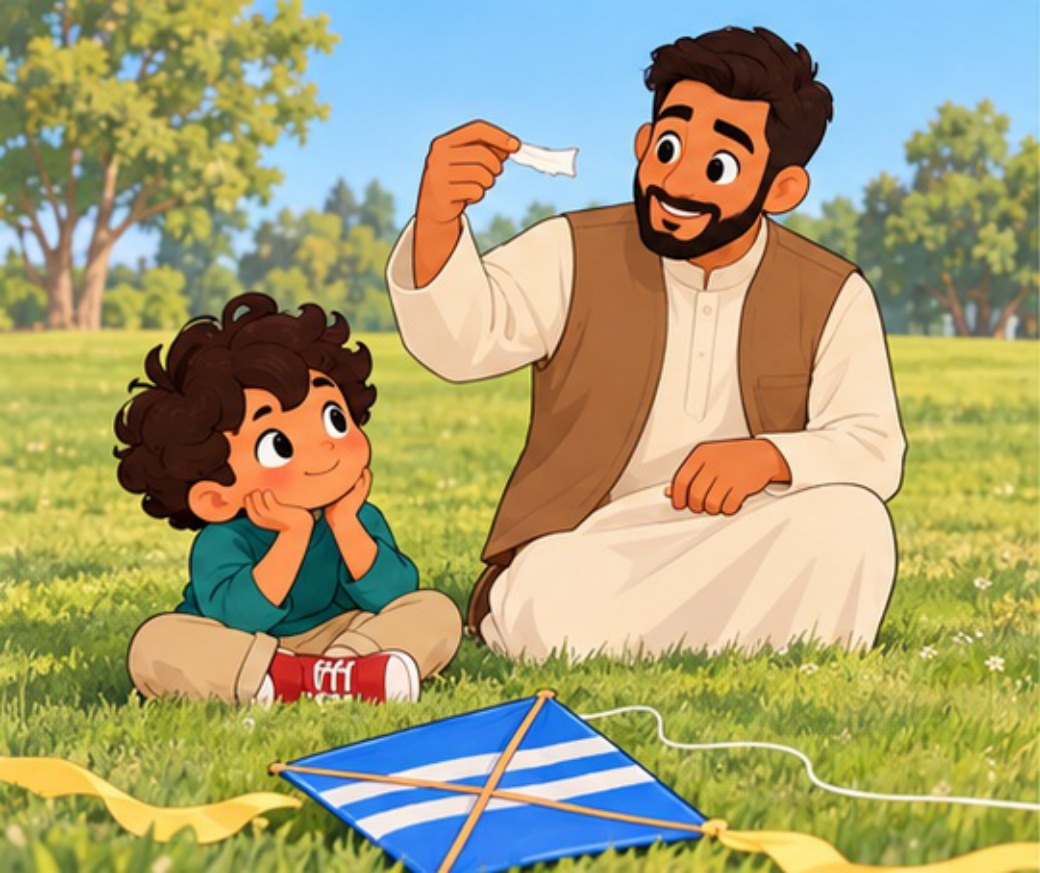
Dad held up a small piece of paper. It hardly moved. They stayed in the middle of the field, away from the road and tall posts. “The place is safe, but the wind is weak,” Dad said. “We can try another time.”
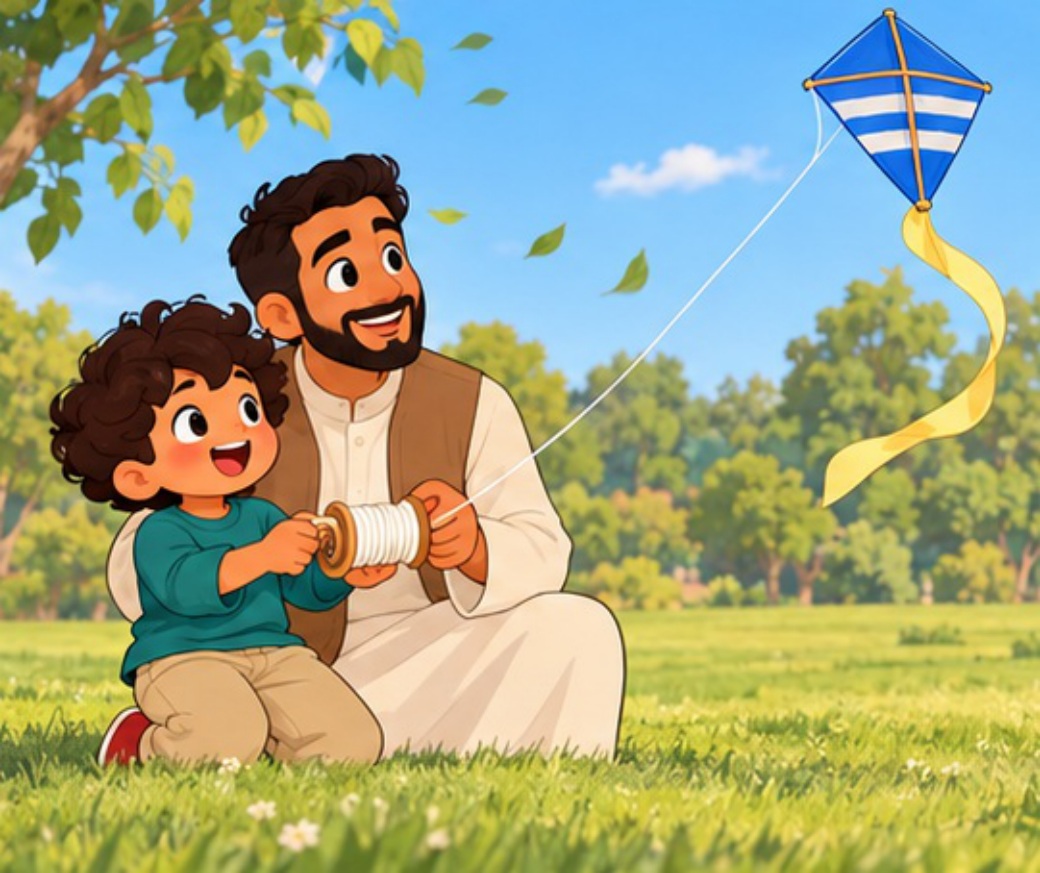
Faris picked up his kite. “I can wait, and I won't stop making du‘a.” The next afternoon, the leaves began to move. They returned to the field, and Dad helped Faris hold the reel.
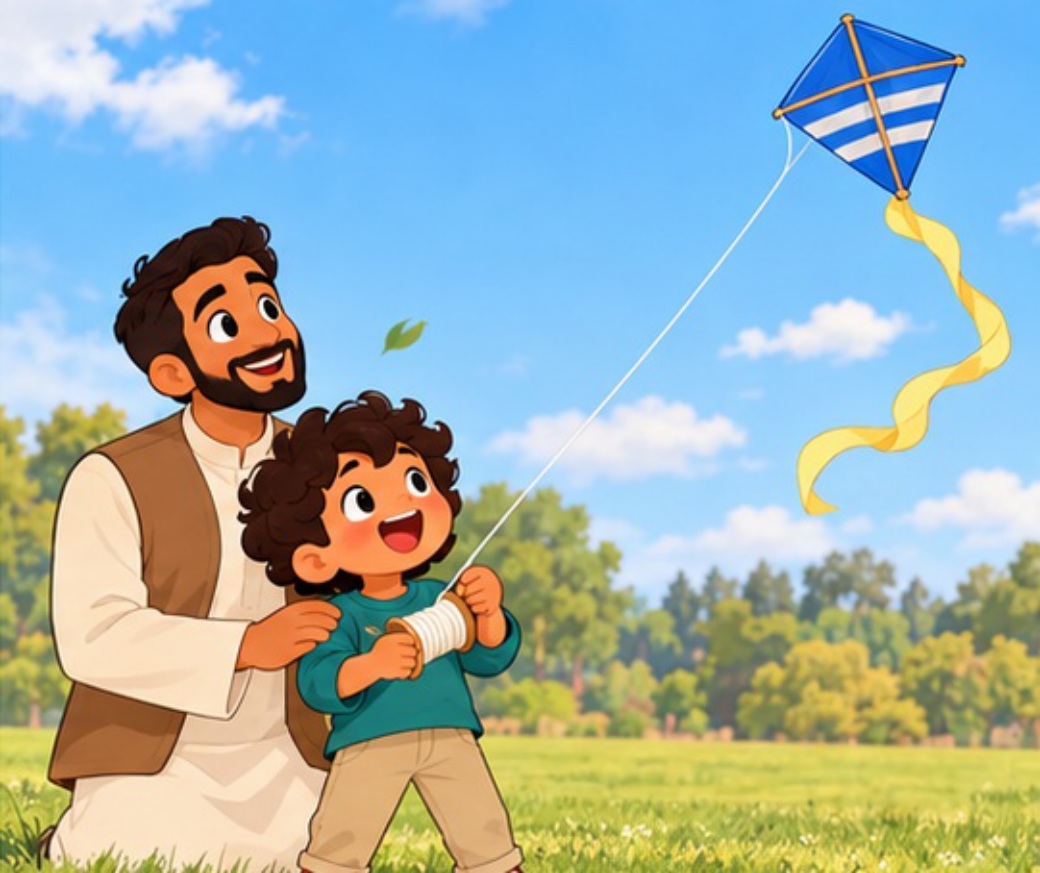
They lifted the kite. It climbed a little, then higher, one moment after another. Faris laughed. “I can keep making du‘a, and I can keep doing the next thing I am able to do.”
This is an original fictional story, not an account of a historical event.
قصة مصوّرة للأطفال من ٣ إلى ٥ سنوات.
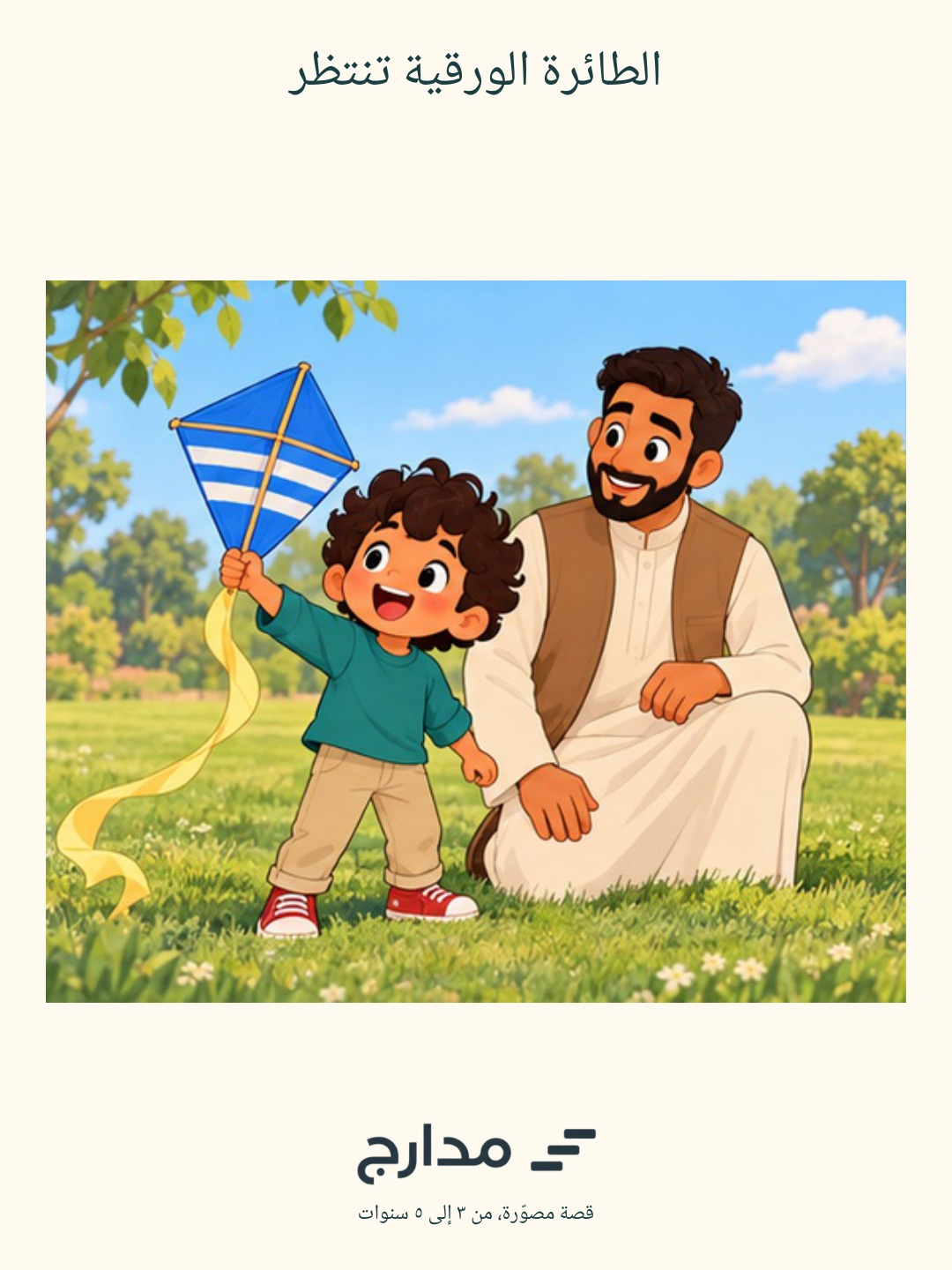
صنع فارس طائرة ورقية زرقاء عليها ثلاثة خطوط بيضاء. خرج مع أبيه إلى ساحة واسعة آمنة، ورفعها فوق رأسه. قال: «أتمنى أن تطير الآن!»
ركض فارس خطوات قصيرة، لكن الطائرة مالت وسقطت على العشب. جرّب مرة أخرى، فالتف ذيلها حول الخيط. نظر إلى أوراق الشجر؛ كانت شبه ساكنة.
جلس فارس قرب أبيه وقال: «دعوت الله أن تطير. لماذا لم ترتفع؟» قال أبوه: «ندعو الله، ونفعل ما نستطيع. لنر ما تحتاج إليه الطائرة». فحصا العقدة، وفردا الذيل، وثبتا الشريط.
رفع الأب ورقة صغيرة، فلم تتحرك إلا قليلًا. اختارا وسط الساحة، بعيدًا عن الطريق والأعمدة. قال الأب: «المكان مناسب، لكن الريح ضعيفة. أصلحنا ما نقدر عليه، ونستطيع أن نجرب في وقت آخر».
حمل فارس طائرته وقال: «سأنتظر، ولن أترك الدعاء». في العصر التالي تحركت أوراق الشجر. عادا إلى الساحة، وأمسك الأب بكرة الخيط مع فارس.
رفعا الطائرة، فصعدت قليلًا، ثم أعلى، مرة بعد مرة. ضحك فارس وقال: «الدعاء معي، والخطوة التي أستطيعها معي أيضًا».
هذه قصة متخيّلة، وليست رواية لواقعة تاريخية.
A picture story to read together, for ages three to five.
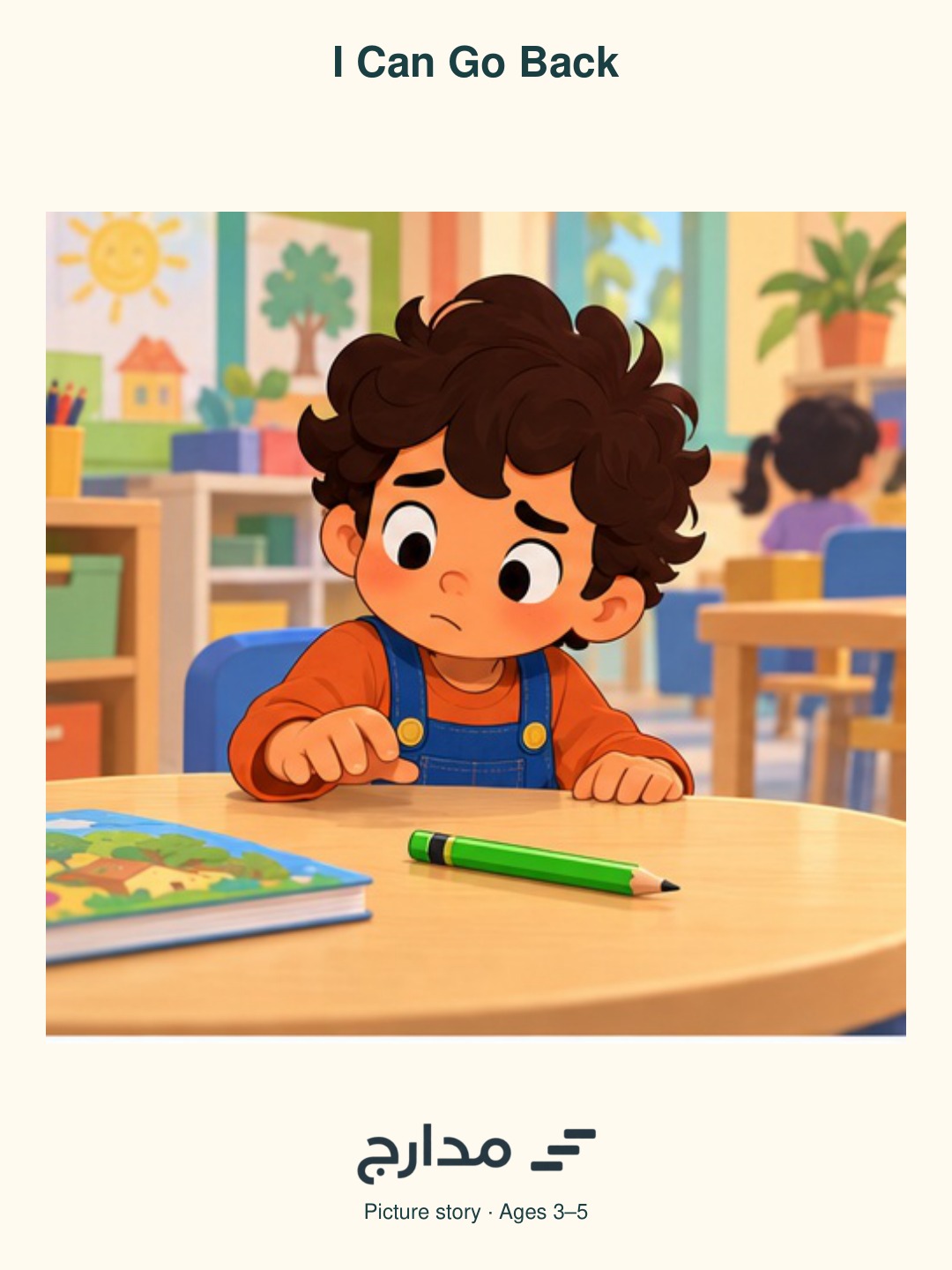
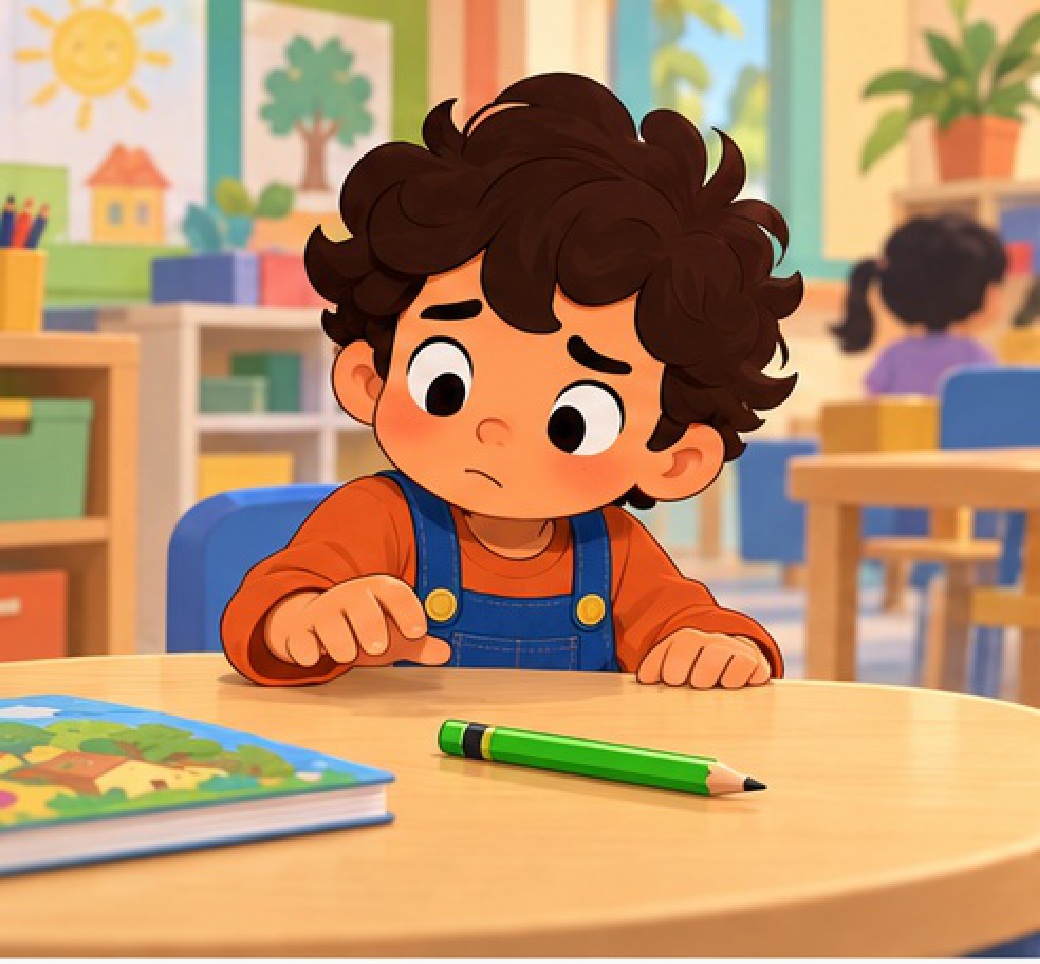
Omar saw a new green pencil on a classroom table. Sami's name was on it, but Omar liked its colour. He looked around, then slipped the pencil into his pocket.
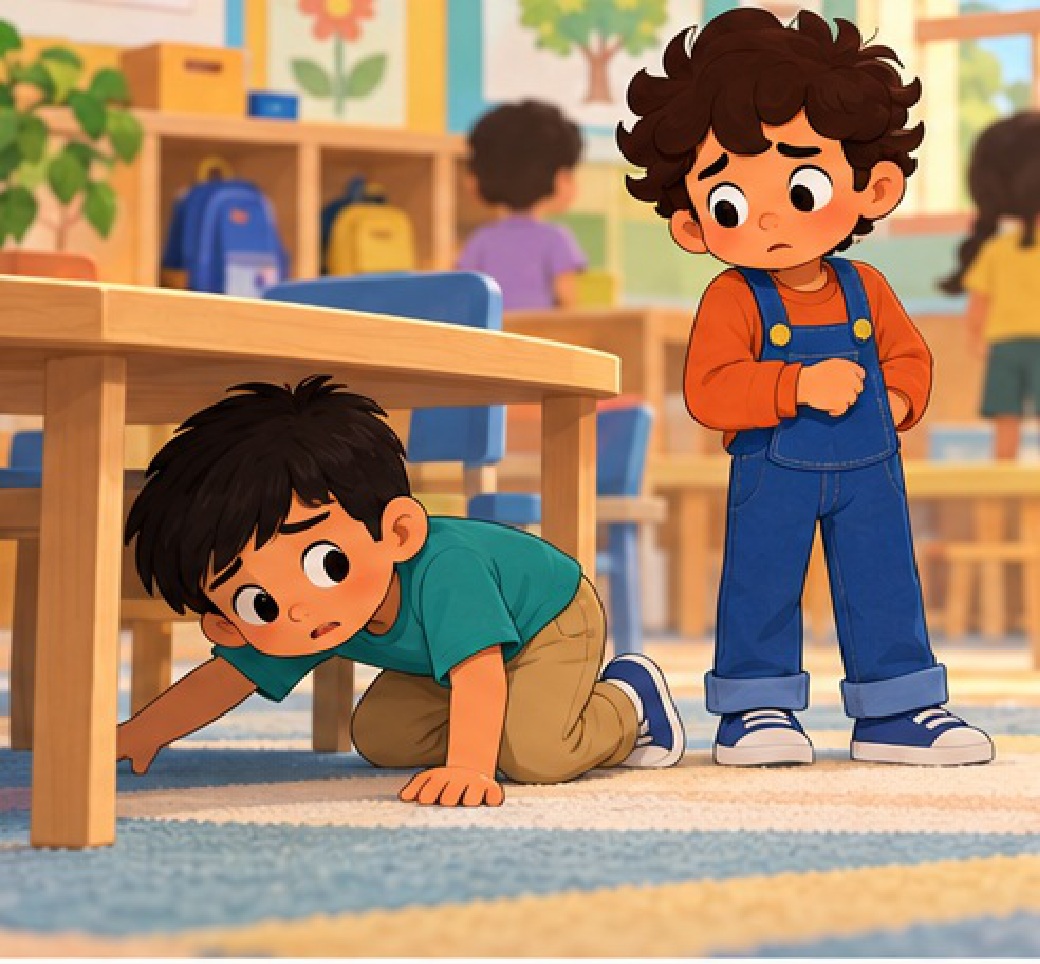
At the end of the lesson, Sami asked about his pencil. Some children helped him search. Omar kept his hand near his pocket and said nothing.
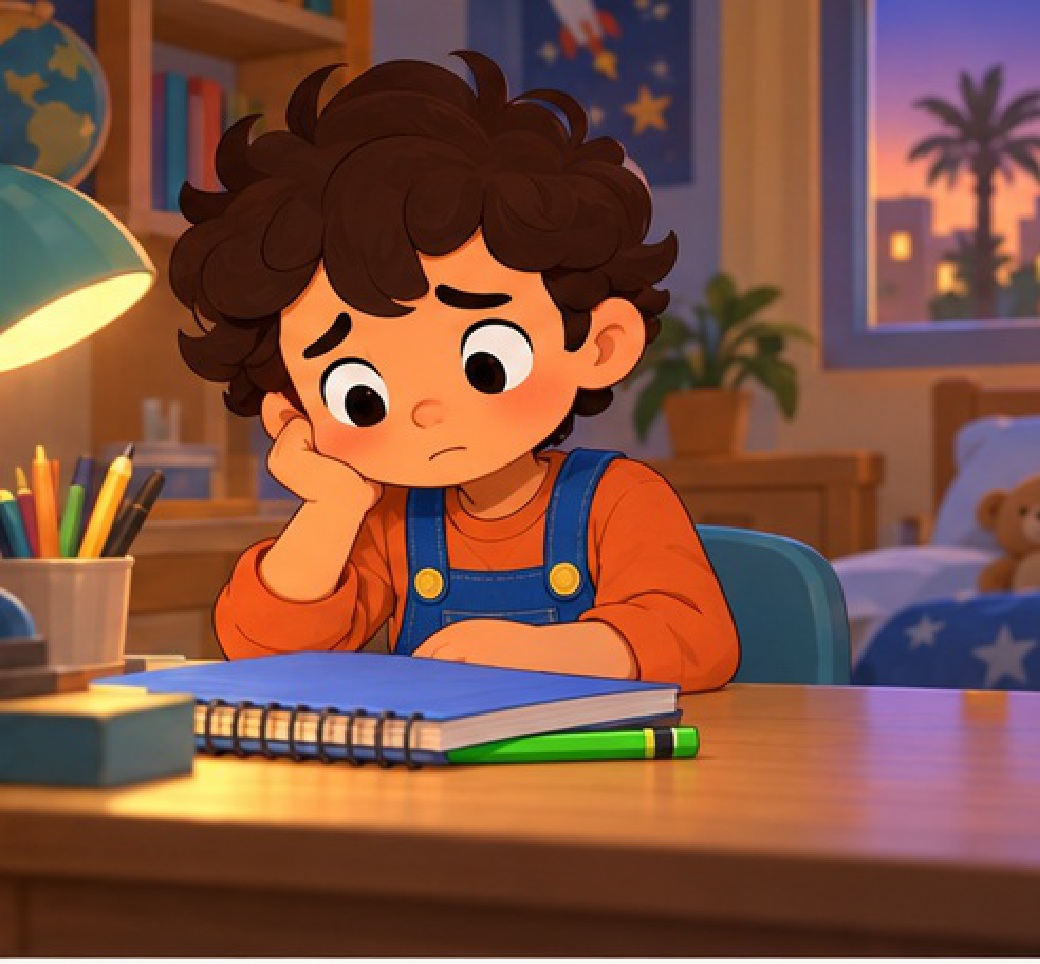
At home, Omar took out the pencil. Sami's name appeared again. Its colour no longer made him happy. He hid it under a notebook, then kept checking that it was still there.
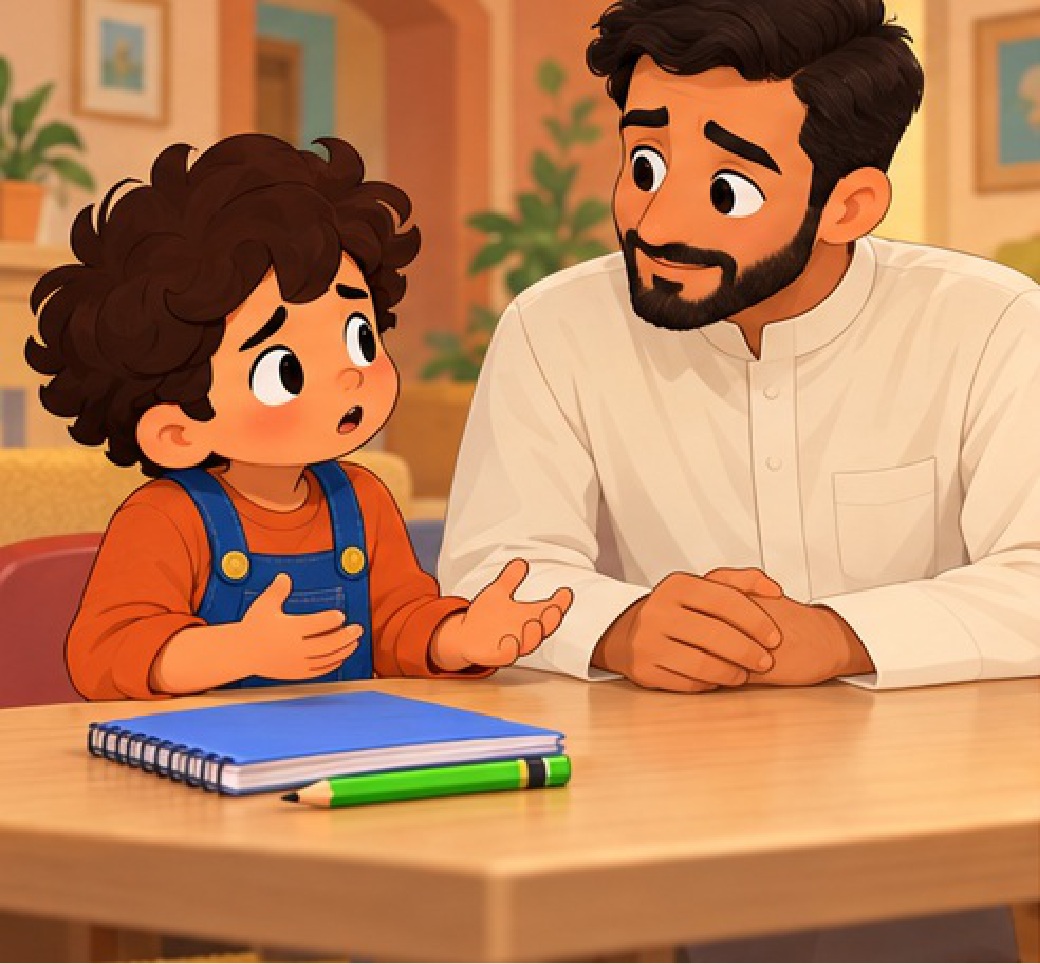
“I took Sami's pencil, and I am afraid to take it back,” Omar told Dad. Dad sat beside him. “Return it, apologise and ask Allah to forgive you. We hope for His mercy and begin to repair what we did.”
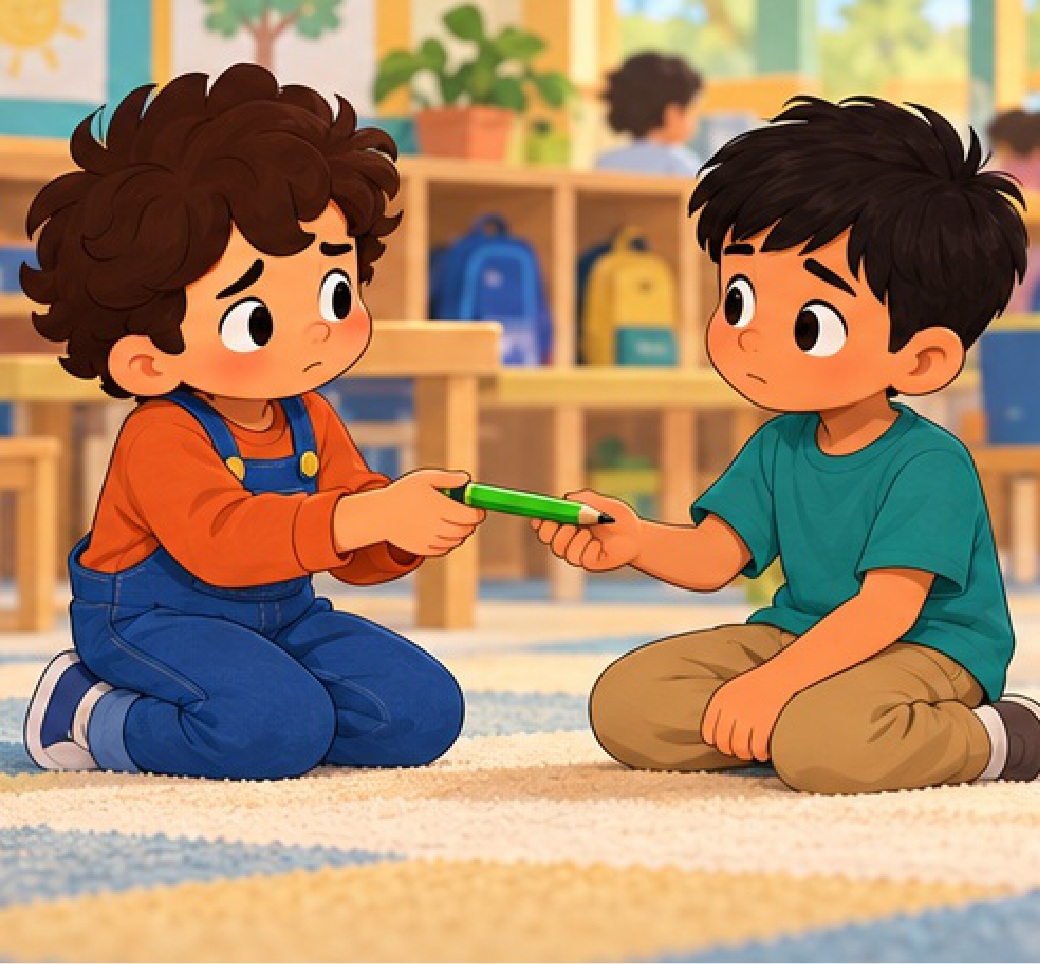
The next morning, Omar returned the pencil. “I took it without your permission. I'm sorry.” He did not add an excuse. He waited and let Sami say what he needed to say.
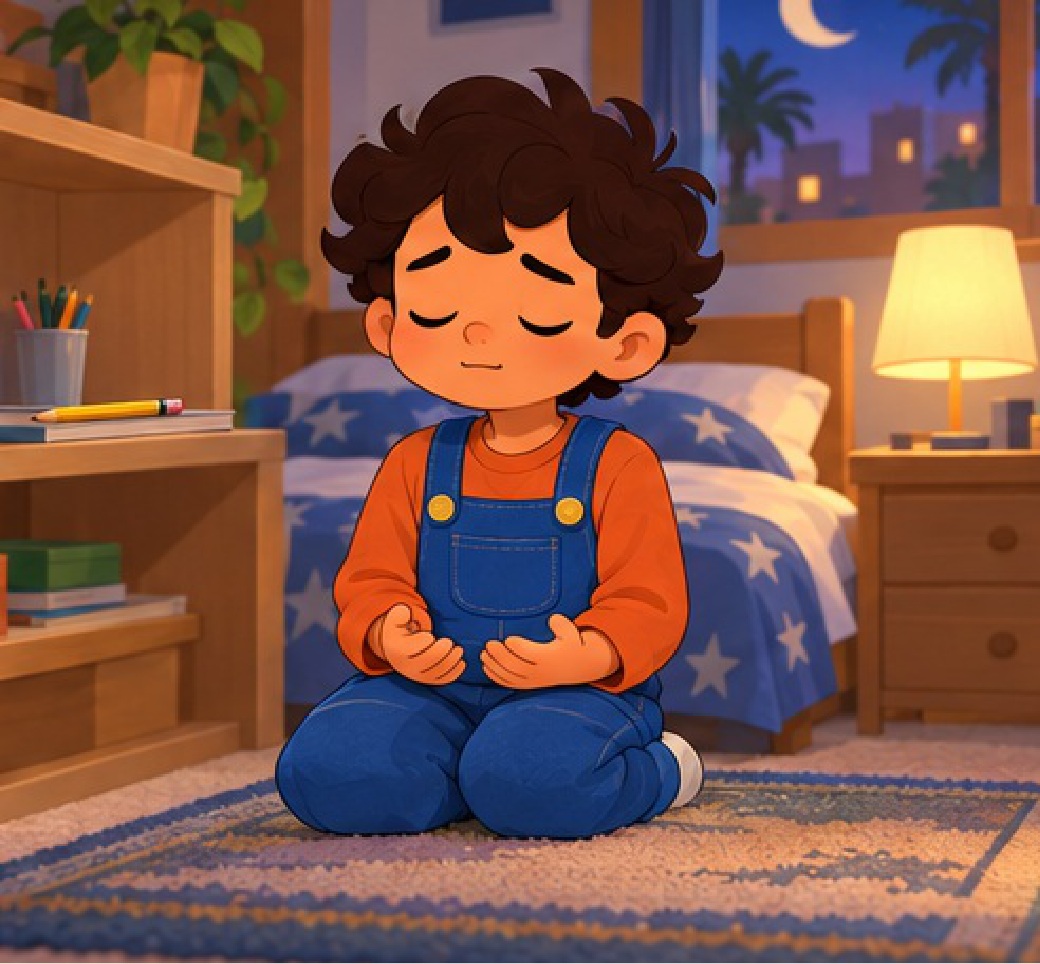
The pencil was back with its owner. Omar's face was still warm with embarrassment, but he knew the path. That evening he prayed, “O Allah, forgive me and help me to be truthful.”
This is an original fictional story, not an account of a historical event.
قصة مصوّرة للأطفال من ٣ إلى ٥ سنوات.
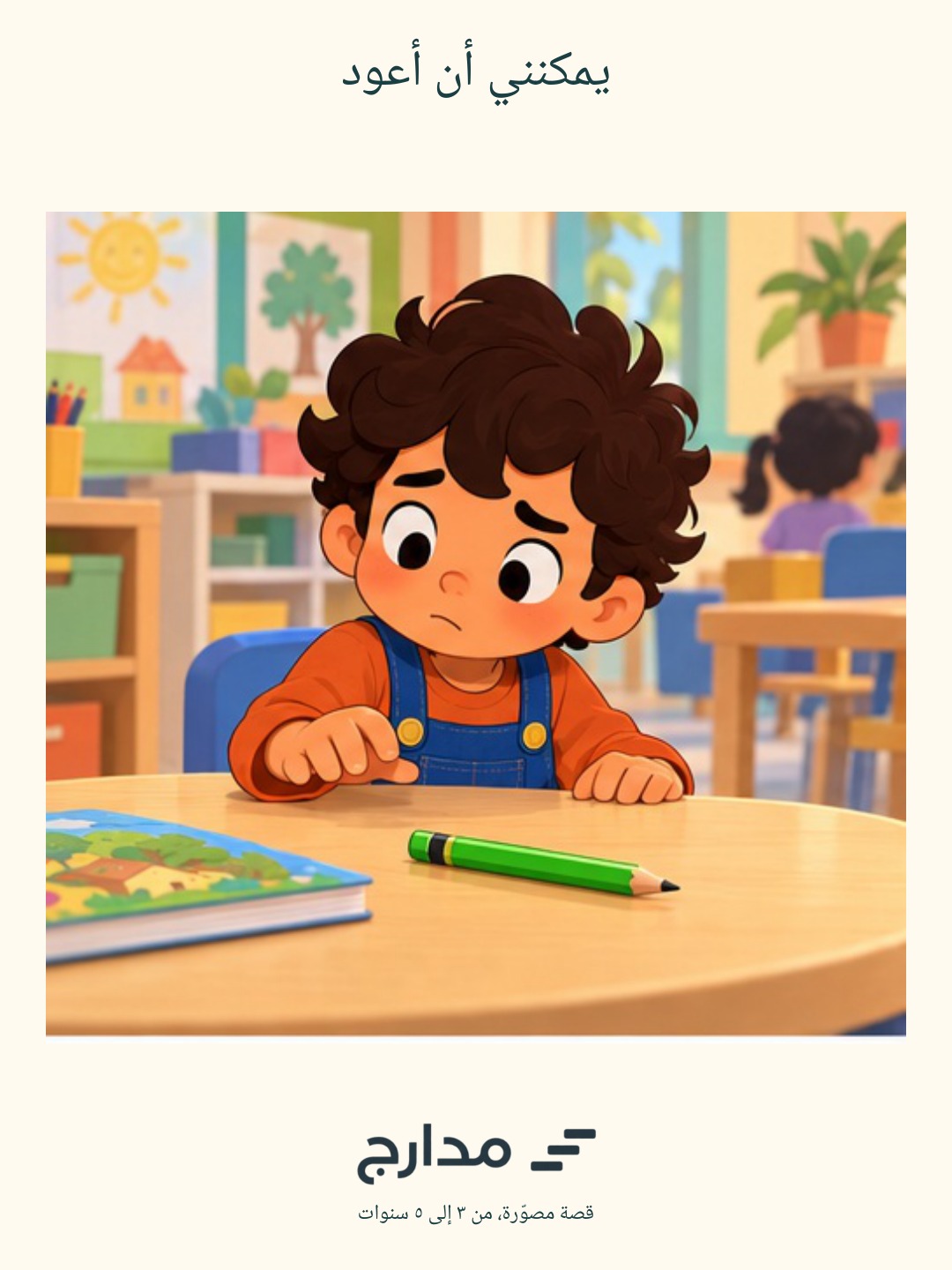
رأى عمر قلمًا أخضر جديدًا على طاولة الفصل. كان عليه اسم سامي، ولكن عمر أعجبه لونه. نظر حوله، ثم وضع القلم في جيبه.
عند نهاية الحصة، سأل سامي عن قلمه. ساعده بعض الأطفال في البحث، أما عمر فبقيت يده قرب جيبه، ولم يقل شيئًا.
في البيت، أخرج عمر القلم. ظهر اسم سامي مرة أخرى. لم يعد لونه يفرحه. وضعه تحت دفتره، لكنه ظل يرفع الدفتر ليتأكد أنه ما زال هناك.
قال عمر لأبيه: «أخذت قلم سامي، وأخاف أن أعود به». جلس أبوه بجانبه وقال: «ترد القلم، وتعتذر، وتستغفر الله. نرجو رحمته، ونبدأ بالإصلاح».
في الصباح، أعاد عمر القلم إلى سامي وقال: «أخذته دون إذنك. أنا آسف». لم يضف عذرًا، وانتظر ما سيقوله سامي.
عاد القلم إلى صاحبه. بقي وجه عمر دافئًا من الخجل، لكنه عرف الطريق. وفي المساء دعا: «اللهم اغفر لي، وأعني على الصدق».
هذه قصة متخيّلة، وليست رواية لواقعة تاريخية.
A picture story to read together, for ages three to five.
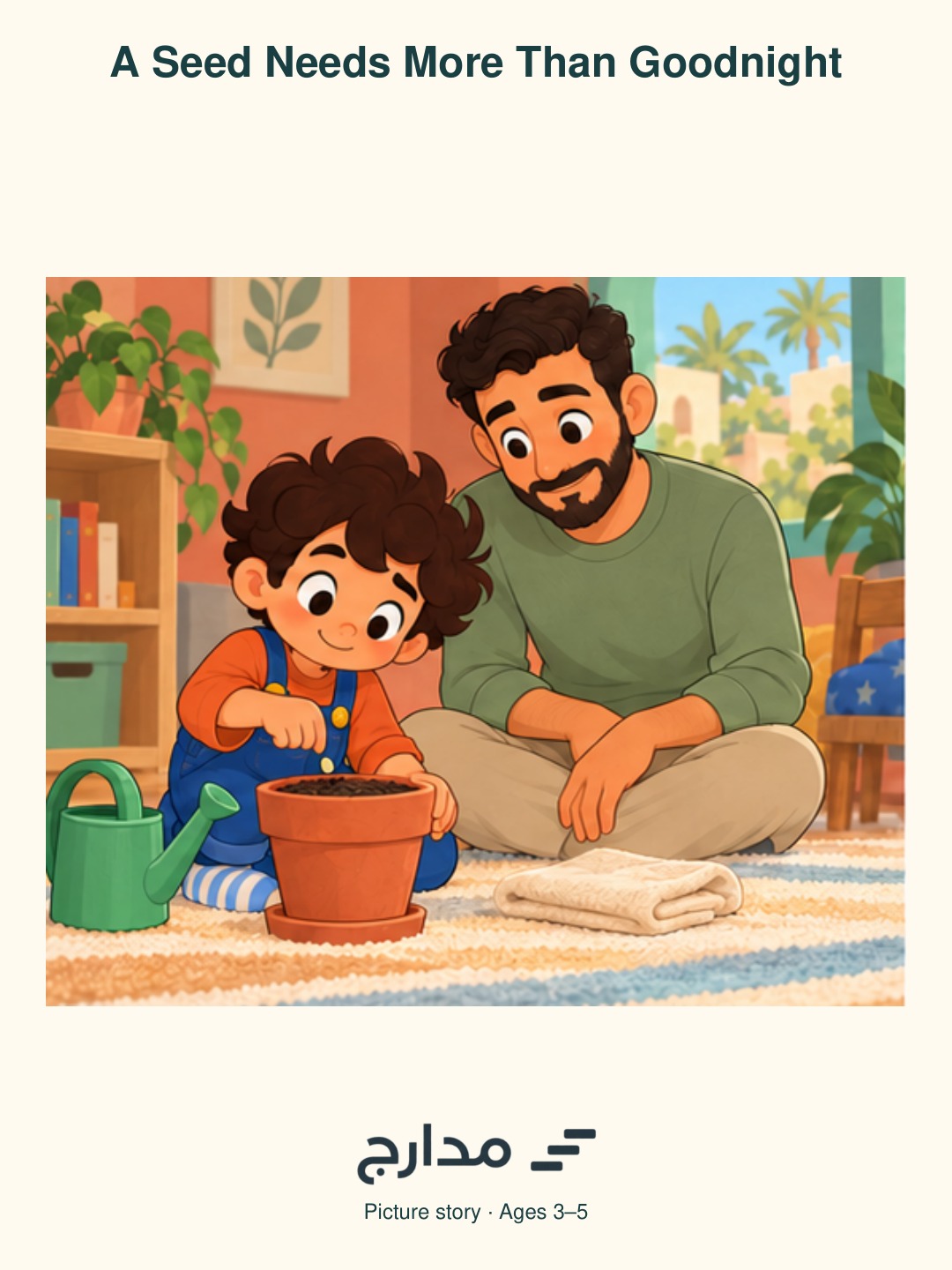
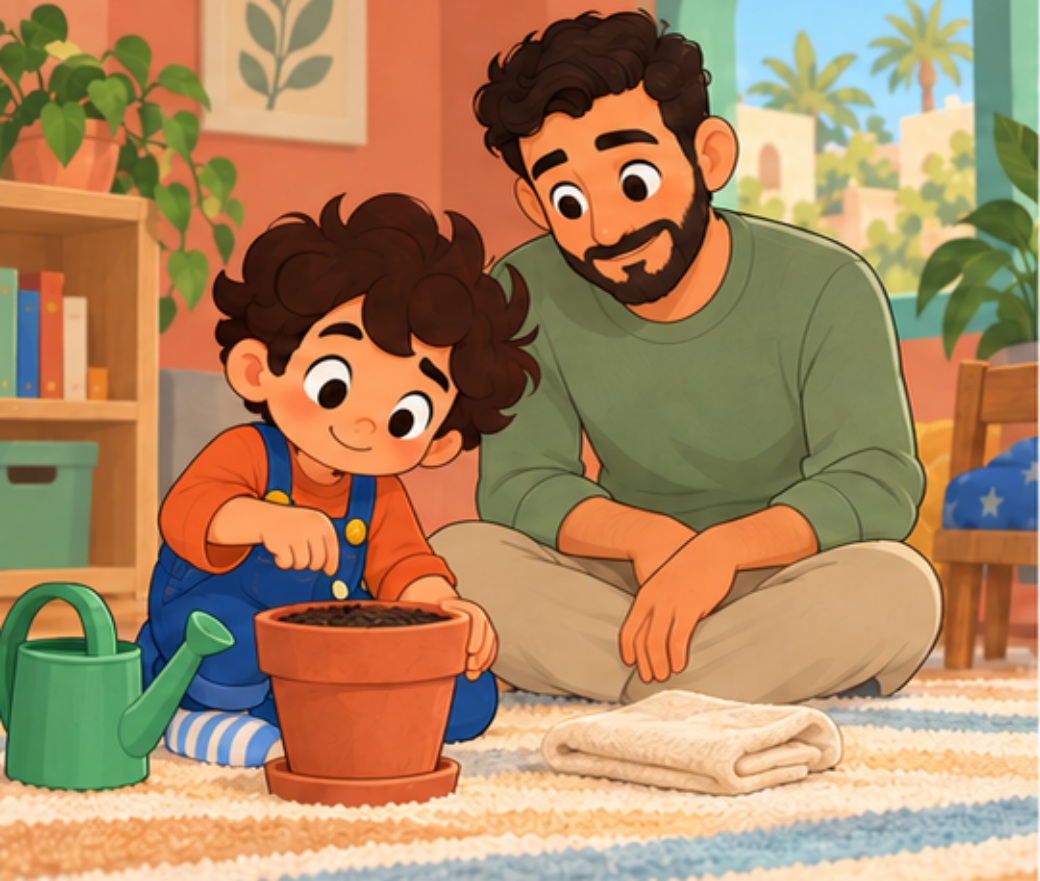
Sami put a seed in a pot and covered it with a little soil.
“Allah, please make it grow,” he said.
Then he pulled up a chair and waited. Not one leaf appeared.
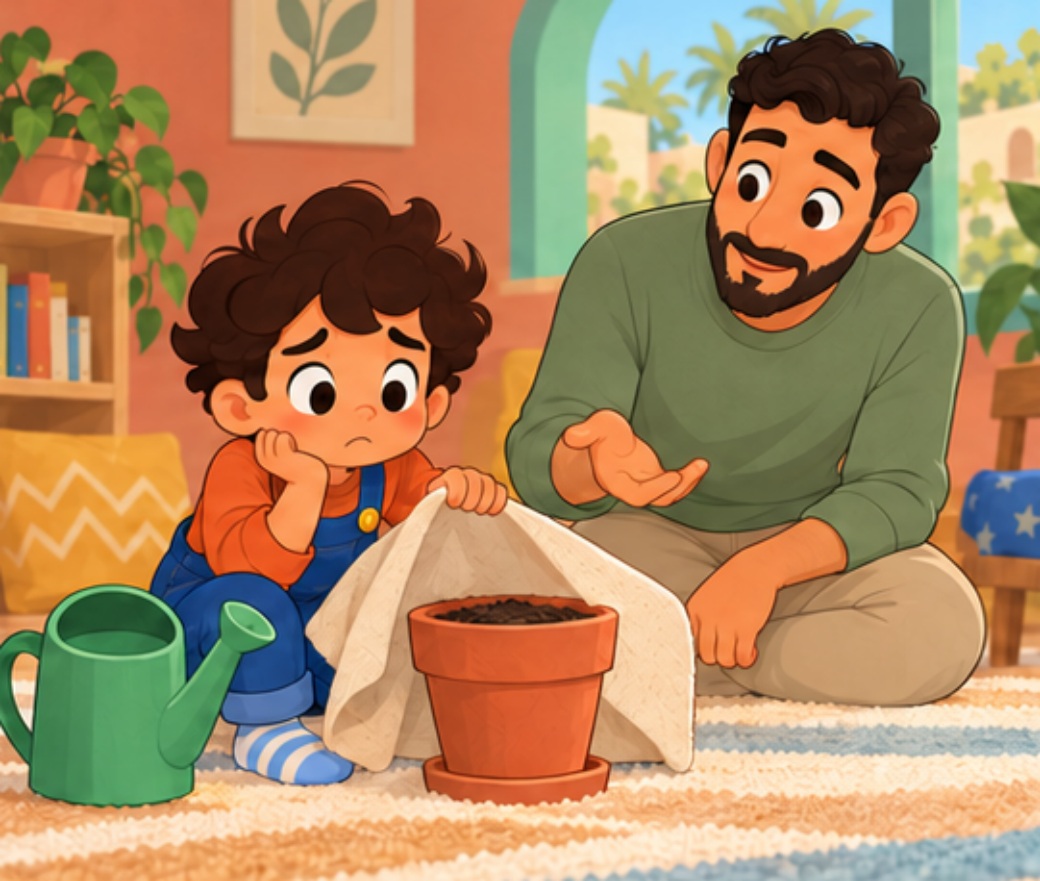
Sami fetched a piece of cloth.
“Perhaps my seed wants to go to sleep!”
“Have we watered it?” Dad asked.
Sami looked at the empty watering can. “I prayed for it.”
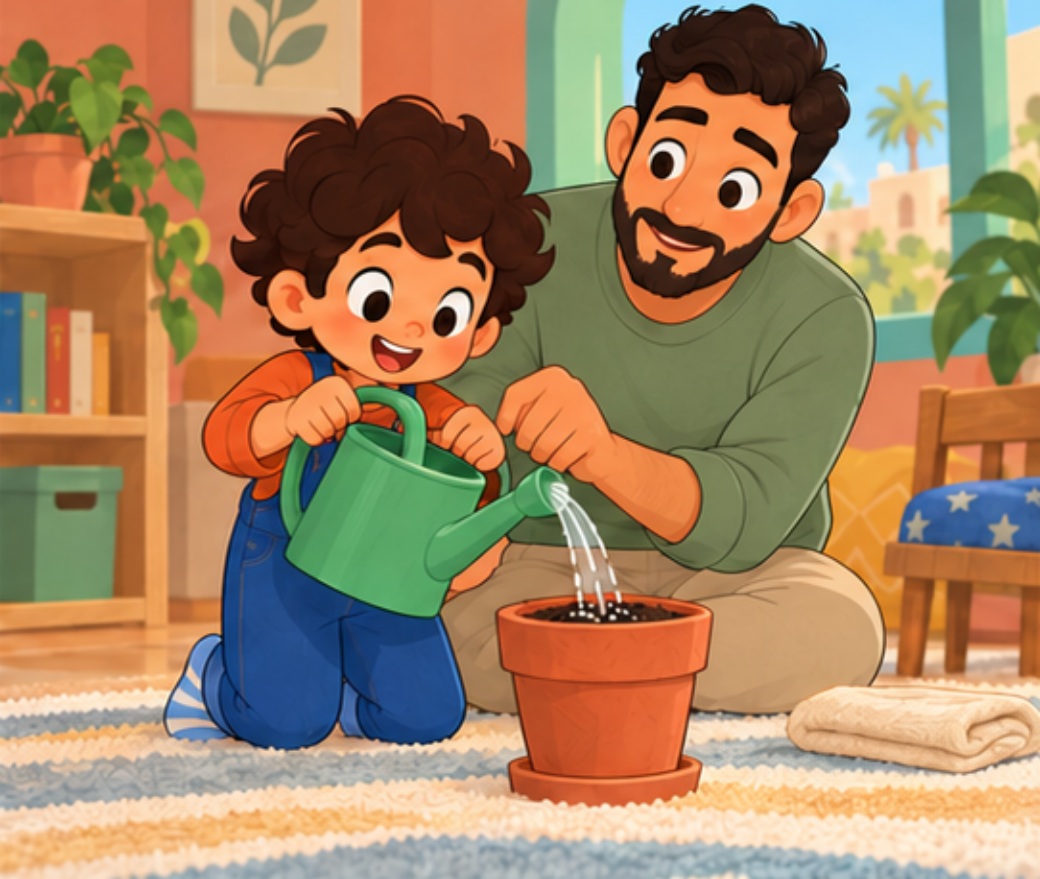
“And we water it too,” Dad said. “We ask Allah to make it grow, and we care for it.”
They tipped the can gently. Water trickled into the soil.
“That’s enough for now,” said Dad.
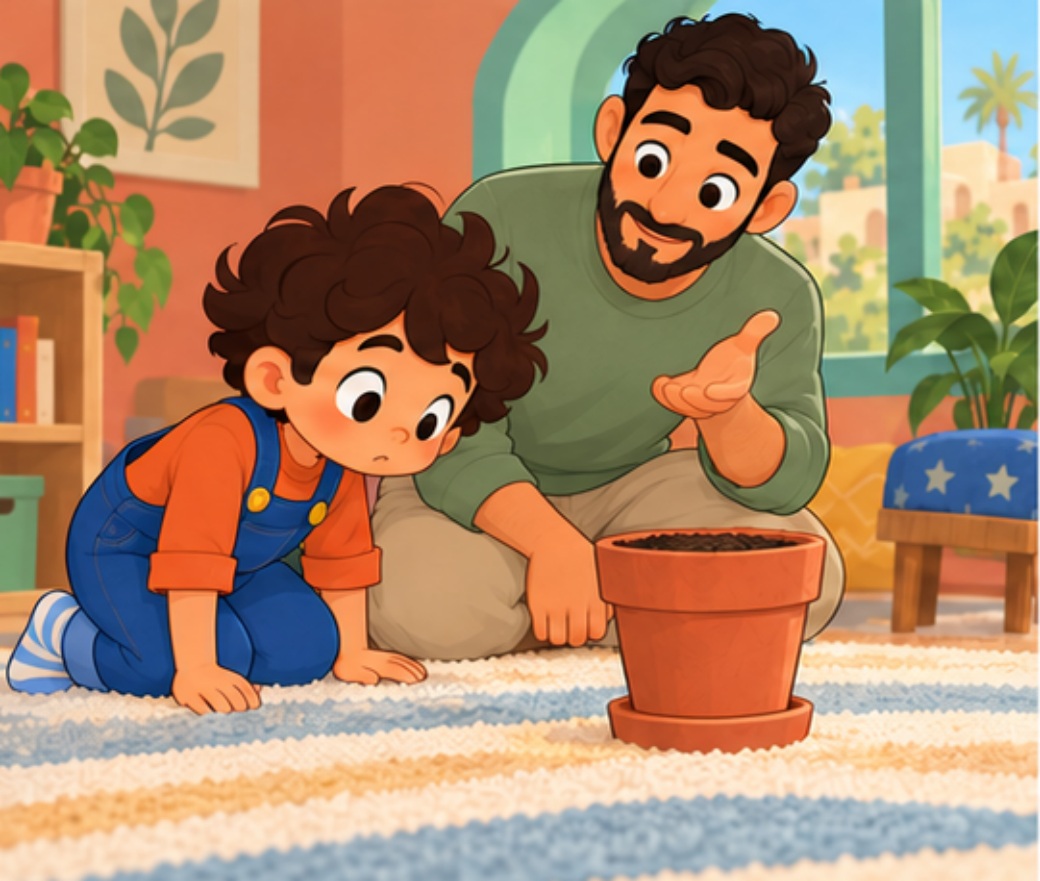
They put the pot near the window.
“Will it come up before bedtime?” asked Sami.
“We don’t know. Seeds need time.”
Sami leaned close to the soil. Nothing yet.
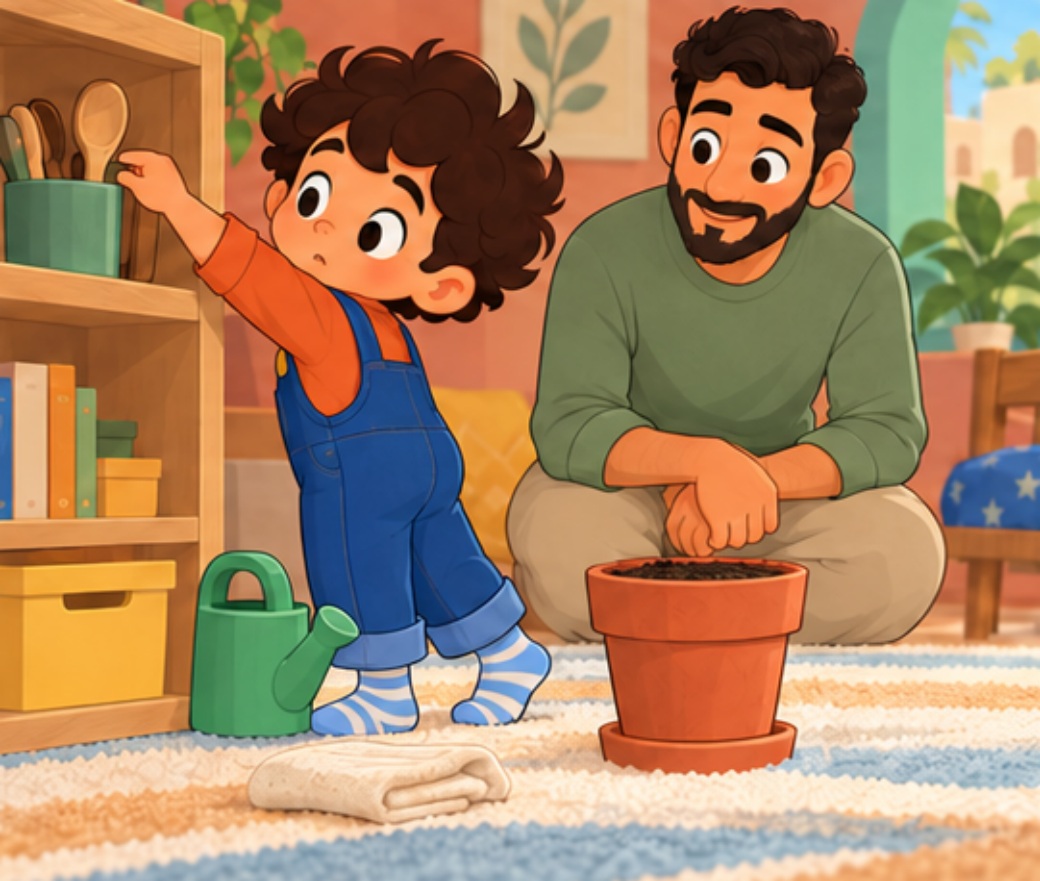
Over the next few days, Dad checked the soil, and Sami helped whenever it was time to water.
Sami wanted to dig down and look at the seed.
Then he put his spoon away. “I’ll leave it in the soil.”
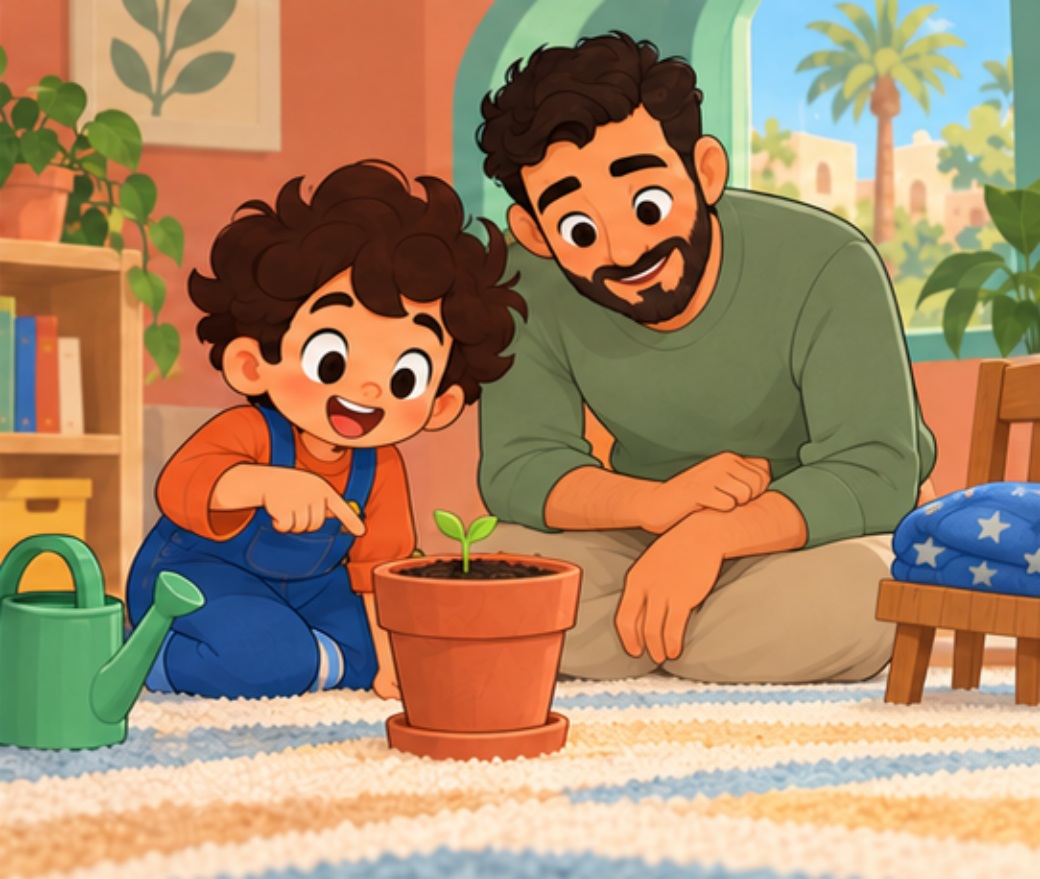
More days passed. At the window, Sami suddenly stopped.
A tiny bit of green!
“Yes,” Dad said. “It’s growing. Alhamdulillah—praise be to Allah.”
Sami did not tug the shoot. At bedtime he yawned,
“My blanket is for me. My seed doesn’t need one!”
This is an original fictional story, not an account of a historical event.
قصة مصوّرة للأطفال من ٣ إلى ٥ سنوات.
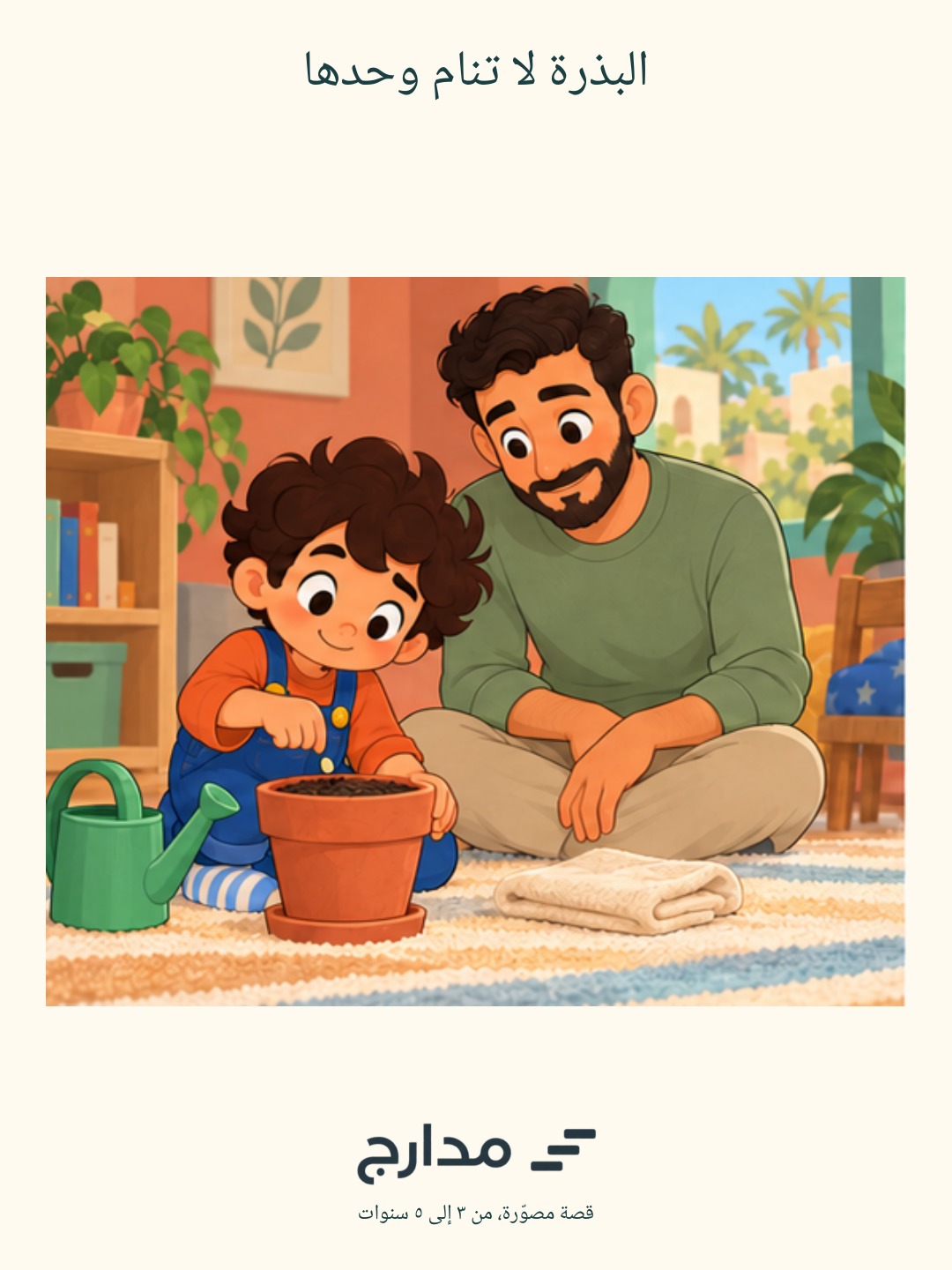
وضع سامي بذرة في أصيص، وغطاها بقليل من التراب.
قال: «يا رب، أنبتها.»
ثم قرب كرسيه وجلس ينتظر. لم تظهر ورقة واحدة.
أحضر سامي قطعة قماش.
«ربما تريد بذرتي أن تنام!»
سأل أبوه: «هل سقيناها؟»
نظر سامي إلى الإبريق الفارغ: «دعوت لها.»
قال أبوه: «ونسقيها أيضا. نسأل الله أن ينبتها، ونعتني بها.»
مال الإبريق قليلا، فخرج الماء بهدوء.
«كفى الآن»، قال أبوه.
وضعا الأصيص قرب النافذة.
سأل سامي: «هل تخرج قبل أن أنام؟»
«لا نعرف. تحتاج البذرة وقتا.»
اقترب سامي من التراب: لا شيء بعد.
في الأيام التالية، فحص أبوه التراب، وساعده سامي إذا حان وقت السقي.
أراد سامي أن يحفر ليرى البذرة.
ثم أعاد الملعقة إلى مكانها: «سأدعها في التراب.»
مرت أيام أخرى. عند النافذة، توقف سامي فجأة. شيء أخضر صغير!
قال أبوه: «نعم، نبتت. الحمد لله.»
لم يسحبها سامي لتطول. وعند النوم قال: «غطائي لي أنا. بذرتي لا تحتاج بطانية!»
هذه قصة متخيّلة، وليست رواية لواقعة تاريخية.