
After the Rejection Letter
F05 · 16–18
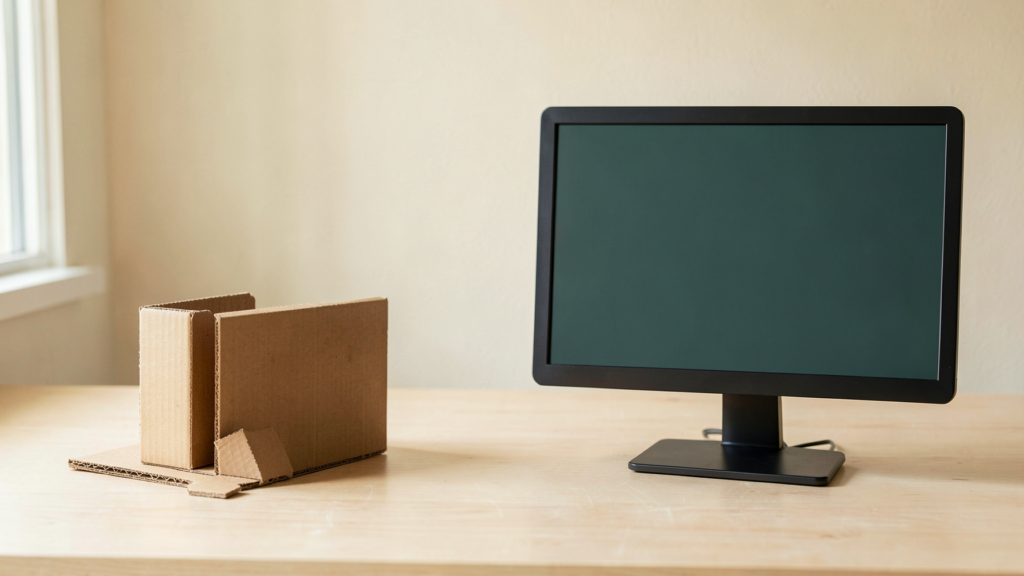
The workshop message appeared in Marwan's inbox on Thursday afternoon as he cleared cardboard scraps from the edge of the table. Seventeen-year-old Marwan had spent three weeks preparing his project for a summer design workshop. He clicked the sender's name before sitting down, then pulled his chair closer and read the reply. A brief sentence said his application had not been accepted. A general signature ended the message. He read the lines again, searching for an explanation further down the page. His hand rested on the mouse before moving away without closing the email.
Beside the computer stood the small cardboard model he had made. Some pieces had needed cutting twice because their first edges were uneven. He had held them in place while the glue dried, photographed the model near the window, and chosen pictures for his portfolio. He could remember retaking one photograph because its angle concealed a detail. Everything remained within reach on the table, although it suddenly seemed distant from the purpose for which he had made it. He picked a scrap from his sleeve and set it among the loose pieces.

Across the room, his father Adel, forty-six, was sorting papers. Hearing the chair move, he stopped and looked at his son. Had the reply arrived? Marwan nodded. He had not expected his own voice to sound so quiet when he said he had not been accepted. Adel put down the papers and moved his chair a little closer. Marwan rubbed the edge he had worked to straighten. He could show his father the model, but the message offered no explanation for them to discuss. It remained open beside the project folder.
On Thursday evening, Marwan closed his inbox and moved the picture folder to a corner of the screen. He reached towards an empty box under the table, then stopped before putting the model inside. For tonight, he simply wanted it out of sight. He gathered the loose scraps instead. A little later he reopened the folder and remembered the document in which he had saved the workshop requirements. He placed that beside his submission without changing the old application.
The requirements asked applicants to explain some of their design choices. Marwan found the paragraph beneath his pictures. It said that he had changed the shape of the base, then moved straight to another photograph. He had not explained what prompted the change, although he remembered the first version and what had troubled him about it. Reading the paragraph quietly brought back the hurry of the final evening before submission. Here was something visible in his work. The rejection message, however, did not say that this was why the panel had declined his application. He could not turn one observation into an account of their decision.
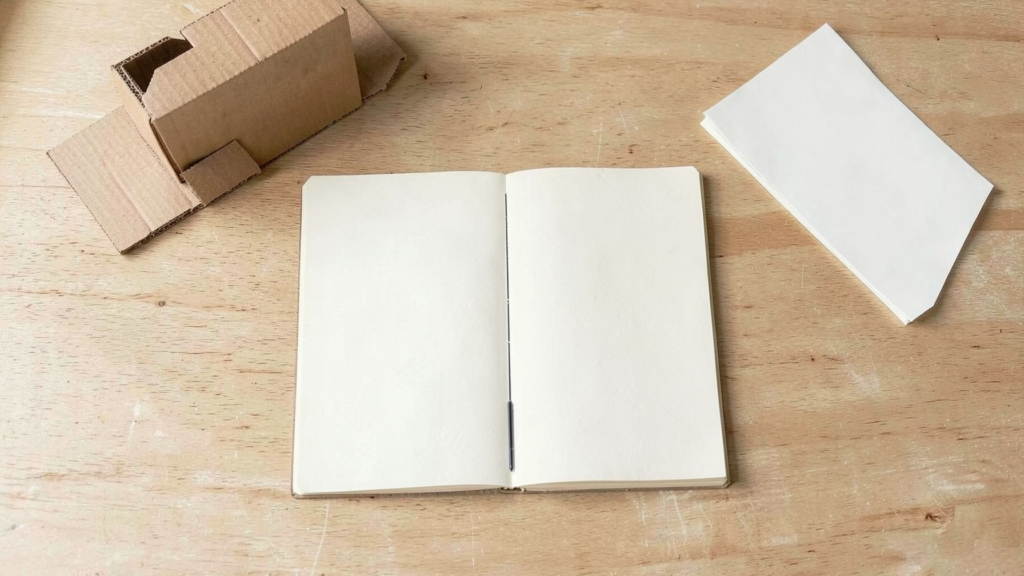
Adel returned with a glass of water and put it on the clear edge of the table. Marwan showed him the paragraph, then checked the closing date on the workshop page. It had passed; he could not replace the file in that application. His father listened without promising that a longer explanation would secure another opportunity. Marwan moved the pointer to the first line. The requirements and his portfolio remained open beside each other as he rested his hands on the table before making any change.
After Friday afternoon, Marwan returned to the table. Adel brought a small notebook instead of the computer. “What could you write about yesterday without guessing?” his father asked. Marwan listed the application, the rejection and the paragraph that failed to explain his change to the base. He began to suggest that perhaps the panel had barely looked at his photographs. Asked whether he knew that, he shook his head and crossed out the sentence. He had no account of what had happened in a room he had never entered.
He drew a line down the notebook page. On one side he put explaining his choice clearly and allowing time to check the file. On the other he wrote the panel's decision, the number of places and the other applications, marking these with question marks. He did not know their details. “I could fix this and still be turned down,” he said. “Yes,” Adel replied. “We make the effort and trust God. We do not know the result in advance.” The disappointment remained. Marwan picked up his pen without filling the unanswered questions with explanations of his own.
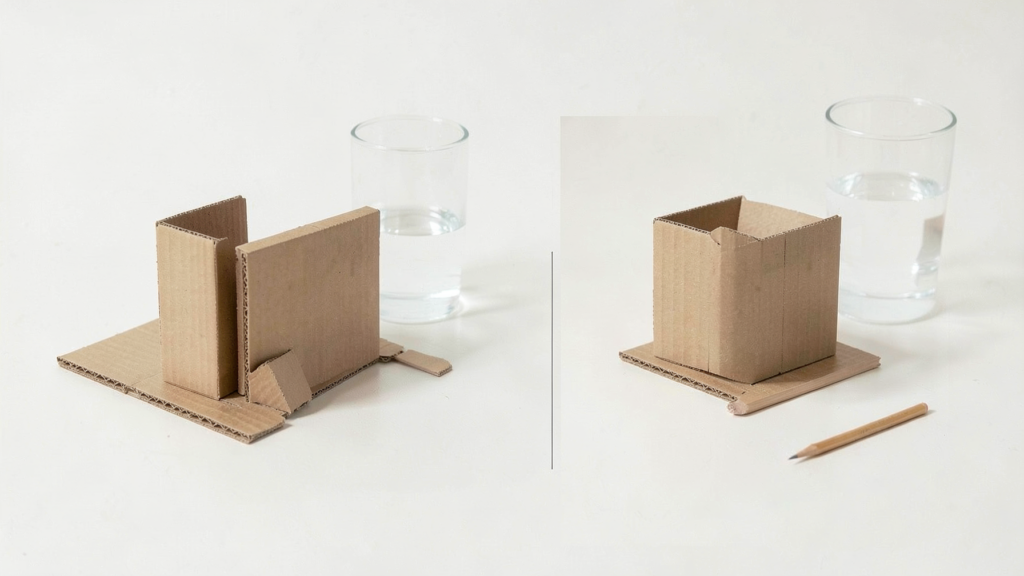
Rather than make a long list he might postpone altogether, he chose one task: explain what the first base had taught him and why he had widened the second. He wrote Saturday morning after breakfast beside it and set out the model photograph. His father asked whether the time allowed for his schoolwork, so Marwan adjusted it. He left the notebook closed around his pen. The explanation was unchanged, but its review now had a time. The panel's decision remained outside his control.
After breakfast on Saturday, Marwan brought his notebook to the table and opened the explanation. He placed a photograph of the first base beside the model and wrote what his application had omitted: the piece wobbled when he put the other parts on it, so he widened its connection to the base. He replaced “the shape became better” with an account of what he had observed and changed. Then he added short captions to help a reader follow the two photographs.
Checking the measurements with a ruler, he found the new base's width beneath the old photograph. He measured again and searched for the picture he had used. While arranging the page, he had swapped the images without moving their captions. An impatient press of Undo also restored a sentence he had deleted. Such a small error had created another task. He took his hand off the keyboard and drank some water before correcting the order, number and sentence. This time he checked the page from the beginning.

The work had overrun the time in his notebook, and his schoolwork was waiting. He abandoned a colour adjustment and checked only the explanation and measurements. When Adel came in, Marwan showed him the difference between the two versions without turning it into a discussion of the panel. He still wished his first application had succeeded. He saved the new file under a different name and kept the old one. One clearer page was finished, with ordered pictures and an explanation a reader could follow. It was not a new submission. He closed it and opened his schoolbook.
On Sunday evening, Marwan opened two design-workshop pages with his father. Before looking at the pictures, he checked the ages and dates. One workshop required attendance on three afternoons. Adel placed his working hours beside those times: he could not provide transport then. They did not make a promise they could not keep. The other workshop was free, online and intended for sixteen- to eighteen-year-olds. Together they read its duration, participation arrangements and application requirements, then compared the weekly session with schoolwork and use of the household computer.
Marwan chose the second option after they agreed on a time he could manage. The attractive building in the first advertisement did not make that workshop more suitable. He opened the new application and checked the requested work sample. He attached Saturday's page and described what he had actually tried with the first base and changed in the second. The measurement and caption were now in their proper places. He read the application from the beginning, checked that the new file was attached, and pressed Send. A confirmation acknowledged receipt without saying whether he would be accepted.
He saved the confirmation and closed the page. For a moment he wanted to reopen it, as though a reply might arrive immediately, but tomorrow's exercises were waiting. He pulled the assignment sheet beside his schoolbook. The thought of a result returned while he read the first problem; he read the question again and began working. Adel returned to his papers across the room. The application remained pending. No message from the workshop arrived that evening, and Marwan did not leave his schoolwork waiting for one.
After school on Monday, Marwan put his bag beside the table. There was no reply to his new workshop application. He checked once, closed his inbox and wrote down his evening tasks: homework first, then fifteen minutes drawing two ways to connect a piece to the base. He did not reopen the submitted file to change it again; he had checked it before sending. He set the cardboard model on a shelf, within reach, and left room for his schoolbook.
His first line slanted. He erased it and tried again, but the short session was not enough to build the connection. He noted what needed measuring later and stopped when the time was up. Since Thursday, he had not become patient about everything. He still glanced at the computer, remembering the reply he wanted. When Adel asked about the drawing, Marwan explained the two connections and pointed to one he needed to test. His father asked when that would fit. Marwan chose another time after homework; Adel made no promise about the application.
The two columns remained on Friday's page. Marwan marked Saturday's task as done without moving the acceptance decision onto his side of the line. He still wished he had gained the first opportunity, and the second application remained unanswered. He closed the notebook, prepared tomorrow's books and continued with his day.
Try an invented situation: a workshop application awaiting a reply and an explanation needing improvement. Name one action the applicant can revise and one outcome beyond their control. Choose a short time for the action that fits around study, then decide what comes next. Use fictional details without real names or personal information.