
Dawud Wharnsby: When the Quran Became a Guide
Dawud Wharnsby grew up in Canada and was known from his youth for writing and music. Yet the journey he later described did not begin on a stage or in a sudden dramatic scene. It began with wide reading and a question about purpose. He said he had read different scriptures before reaching the Quran, trying to understand the bond between human beings and their Creator and the relationship among the books known through history.
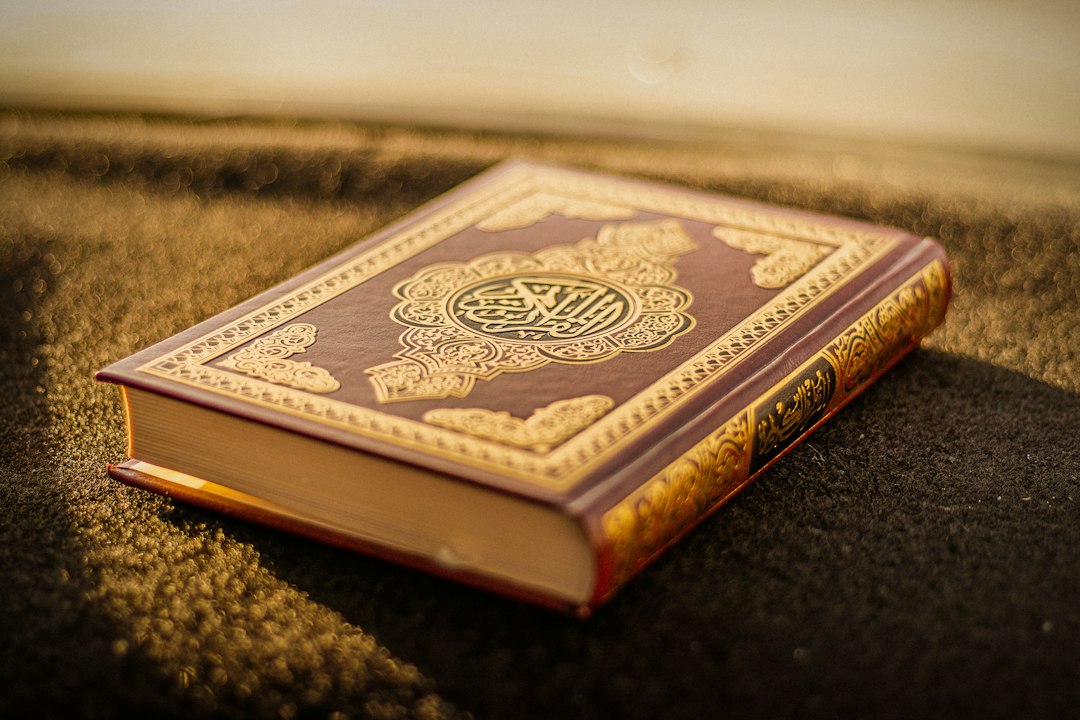
He was nineteen when he discovered the Quran. In his published testimony, he explained what held his attention: the Quran seemed to bring earlier scriptures together rather than divide them into distant worlds. He did not describe that discovery as a dialogue or a ceremony, but as a clear inward decision—to embrace the Quran as his guide after finding in it an account of the purpose he had been seeking.
The whole journey should not be compressed into the age of nineteen. A scholarly profile built on a dated direct interview places his decision to enter Islam in 1993, when he was twenty-one. A direct press interview published in 2000 independently confirms the year 1993. The reviewed sources do not publish an exact day, month, place, wording of the shahada, or the people present, so this account adds no scene that Wharnsby himself did not give.
His later public artistic work carried themes of the Quran, faith, ethics, and human responsibility. That later record is not used to infer a present religious state; it belongs to a dated public biography. In an interview published in 2018, he spoke of drawing inspiration from observing creation and from the stories of people, and of using one’s gifts to improve what can be improved in the world around us.
In the same interview, he described his religious identity at that time in language that resisted denominational division and linked being Muslim with connection to God and service to humanity. The statement remains dated to its context: it is neither a claim about the present nor a basis for assigning him a sectarian label. What the historical record supports is the sequence—reading, discovery of the Quran at nineteen, and a documented decision in 1993 at twenty-one.
Wharnsby’s story does not make art a substitute for learning, nor does one person’s journey answer every theological question. It does offer a traceable path in his own words: reading across scriptures, recognizing a unifying message, and choosing the Quran as a guide. Its value for another seeker lies there—in keeping the question open long enough to read personally, without pressure or an invented scene.