
From the Mosque He Intended to Target to a Community He Chose: Richard “Mac” McKinney’s Journey to Islam
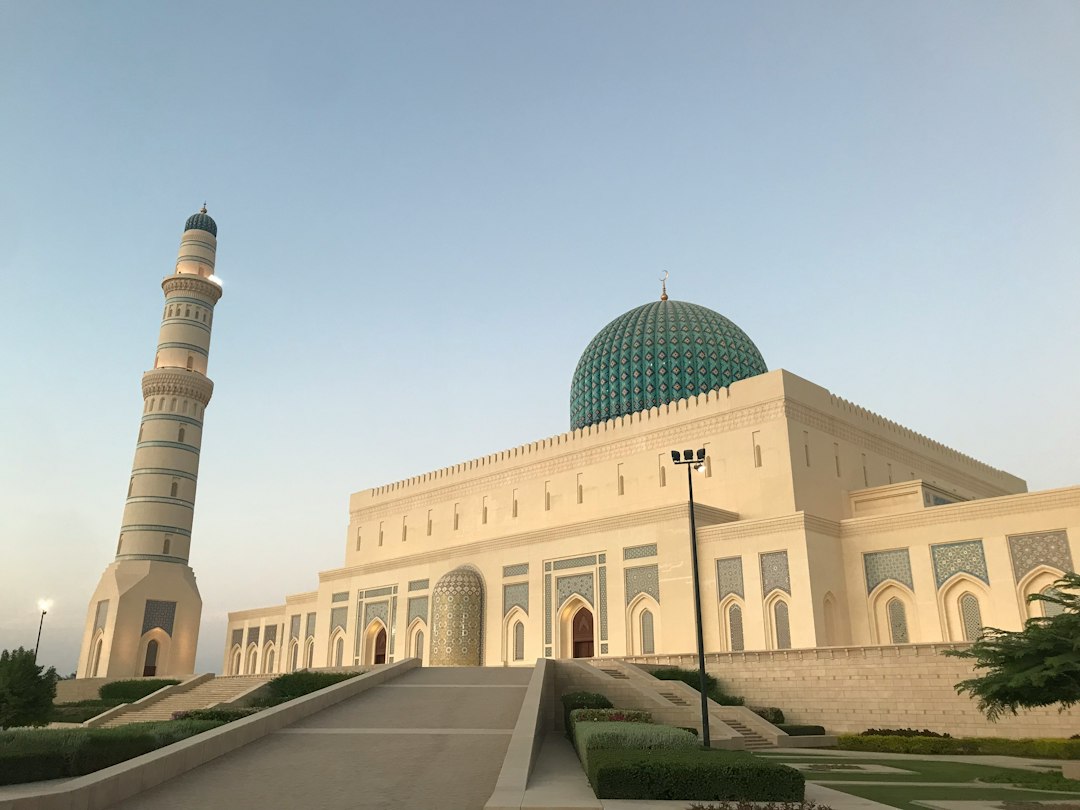
Richard “Mac” McKinney entered the Islamic Center of Muncie, Indiana, in 2009 with a settled hostility toward Muslims. After a long military career, he later described intense anger that had culminated in a plan to attack the mosque. The story does not need operational detail. It needs only to establish the seriousness of the abandoned plan and his responsibility for it, without turning violence into spectacle.
In later testimony, McKinney said he first entered under the pretext that he wanted to learn about Islam, while his actual purpose was to test his assumptions and assess his plan. The reception did not match his expectations. Mosque members met him calmly, gave him a Quran and invited him to return with questions. He did return, repeatedly, and began reading and asking rather than judging people from a distance.
The change was not a single instant. The published testimony preserves a sequence that should remain distinct: an initial welcome disrupted his expectations; reading and questions followed; relationships formed; the violent plan was abandoned; and eventually he said that he needed to be Muslim. McKinney identified the kindness of the people and the community he found among them as decisive, not pressure to enter the religion.
The complete official transcript of Stranger at the Gate says the change took eight weeks. McKinney repeated that interval in direct testimony published by Ball State University, and an independent report described roughly two months. These sources place his first visits and decision in 2009, but they provide no documented day, month or shahada wording, so the story keeps only year-level precision.
The verification is layered. The official film joins McKinney’s account to testimony from his family and mosque members; Ball State preserves his direct statement; and the Associated Press and The Colorado Sun add independent reporting. The public account need not assign the Quran handoff to one named person: the sources agree that he received it within the community and was invited to return with questions.
The editorial value lies not in magnifying the starting point but in the sequence that undid it. Direct knowledge displaced an imagined enemy; humane treatment opened space for questions; reading and sustained relationships preceded the decision. The experience must not be turned into a security formula, psychological diagnosis or specialist theological answer. It is dated personal testimony and does not prove his private state today.
Sources
- The New Yorker Documentary — Stranger at the Gate, official film and full transcript, 14 September 2022
- Jennifer Criss / Ball State University — From Anger to Love, 8 March 2023
- Associated Press — Stranger at the Gate, an Oscar nominee on love after hate, 8 March 2023
- Jason Blevins / The Colorado Sun — A soldier’s plan to bomb an Indiana mosque was thwarted by a welcome, 3 October 2019
Photo: Younmyoung Cho / Unsplash.