Andriy “Anvar” Derkach: When Divine Oneness Reconciled Faith and Reason
Andriy Derkach, the Ukrainian journalist later known as Anvar, came close in his youth to pursuing the Orthodox priesthood. A priest offered to help him enter a seminary in Lviv, and he was inwardly prepared even for monastic life. He then spent more than three years in Western Europe, continuing to fast, attend church and give what he could to religious causes.
Religious practice was present, but a doctrinal question continued to trouble him. He said he could not understand how the Holy Spirit and Jesus, born of Mary, could be regarded as gods alongside the Creator. Faith and reason felt sharply at odds. After Sunday services, he would ask God to make him what God wanted him to be.
He began approaching Islam while working as a journalist with the BBC Ukrainian Service in 2005–2006. In his account, he discovered that Islam was not opposed to other religions in the way media portrayals had suggested, but to the denial of God. He then read Elmir Quliev’s Russian translation of the Quran. He said he wept while reading because the text expressed something he had long known inwardly but had been unable to formulate.
The decisive factor he named was divine oneness. Tawhid, he said, reconciled faith and reason within him and gave him the strength to leave a conception he had carried for many years. In May 2011 he said he had become Muslim four years earlier, placing his entry approximately in 2007; no published day or month is available.
He did not understand the decision as abandoning his Ukrainian identity. Asked how Islam and nationality could coexist, he replied that Islam did not prevent him from being Ukrainian any more than it prevented him from being a man. For him, learning Arabic served the recitation of the Quran and ritual prayer, while a person could continue to supplicate in the language he knew.
In a 2012 interview he described himself as the first Muslim in his family and discussed difficulties faced by new Muslims in Ukraine: geographic dispersion, limited access to Friday prayer, institutional rivalry and ready-made media stereotypes. These were dated observations from his journalistic experience, not a universal judgment on every Muslim or organization.
Anvar’s story does not collapse into one moment. It began with serious religious practice and questions he refused to silence, passed through repeated prayer, professional encounters and Quran reading, and settled in an understanding of divine oneness that he said reconciled faith with reason. The question of identity remained after the decision, and his answer came from experience: faith can reorder a person without erasing language or homeland.
Sources
- Texty.org.ua — direct interview in New Muslims, 19 May 2011
- RISU — independent interview with journalist Anvar Derkach, 20 July 2012
- Radio Svoboda — Anvar Derkach’s professional author record
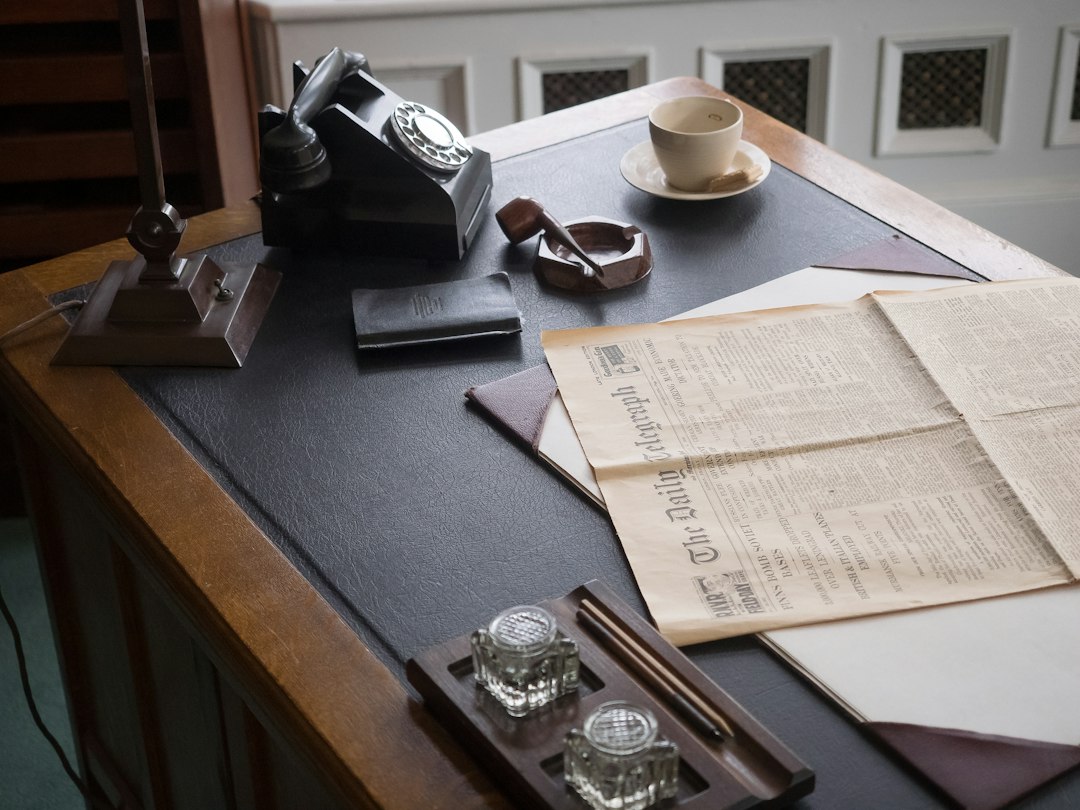
Photo: William Warby / Unsplash.