
Aisha Rosalie: Beyond the Mosque Door and an Inherited Image
Aisha Rosalie arrived in Istanbul as a visitor, with no plan to look for a religion. Raised in a secular British household, she had spent years pursuing acting and film. She had studied in Los Angeles and worked in different parts of the industry; a future on screen belonged to the life she imagined. A day of sightseeing would open an unexpected line of inquiry.
After looking up places to visit, she chose the Blue Mosque. Reaching its door brought hesitation. In her 2021 Anadolu interview, she explained that the media had supplied most of what she knew about Islam, and she worried about being unwelcome inside. She covered her hair and entered. Watching the worshippers, she encountered a quiet atmosphere very different from the picture she had brought with her.
In her own account of the visit, she recalled being curious about the prayer beads she saw people using. She looked up their purpose and tried dhikr, the remembrance of God, while sitting in the mosque. As she left, she heard the call to prayer and described being stopped by its force. These encounters gave her something concrete to explore: a form of worship she had previously known only from a distance.
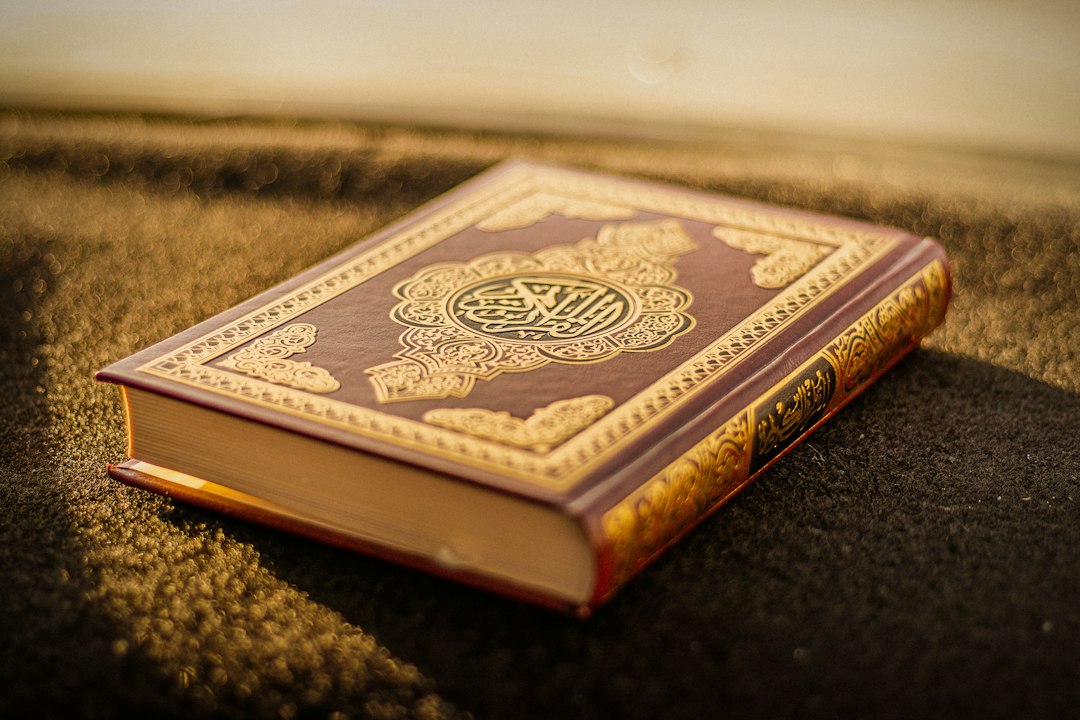
Reading carried the experience further. She obtained an English translation of the Quran and said that she read it all. Back in London, she continued learning about Islam. A period of inquiry separated the mosque visit from her decision; she embraced Islam in 2020. The visit had opened a door, and study helped her follow the questions through to a personal commitment.
Her family and those around her were surprised. Speaking to Anadolu, she described questions and objections at home that encouraged her to learn more. She wanted both her understanding and her conduct to help others make sense of her choice. Learning therefore continued after conversion, alongside the effort to communicate with people who had known her life in a different form.
By her March 2021 interview, she described a new direction for her interest in media. She had set aside her ambition to become an actress and was making content about Islam, including other people’s conversion stories. She spoke of the change in her life as a new beginning. The skills of telling and filming stories remained, while the subject she wished to serve through them had changed.
Her account moves from an ordinary visit through encounter, reading, decision and continued learning. The doorway she had hesitated to cross became the first place where she tested a distant impression against personal experience. Her journey leaves a question for the reader: how much do we assume about another faith before reading its sources or meeting its people?