
Joel Hayward: When a Question About Violence Became a Journey Through the Quran
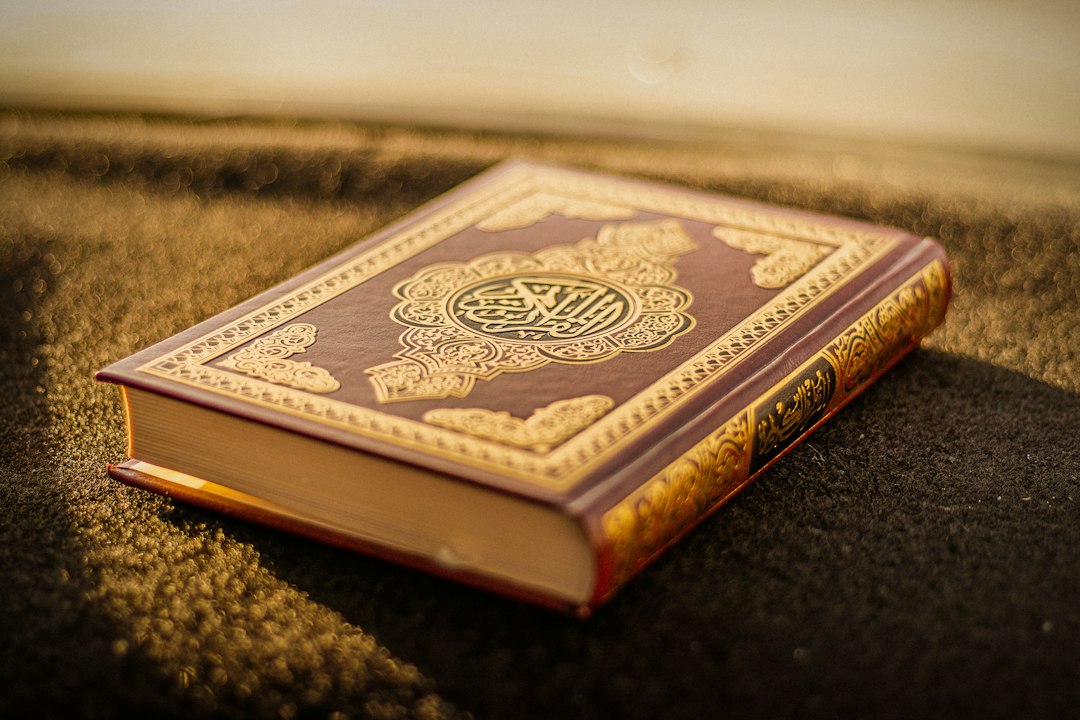
Before his journey to Islam, Joel Hayward was a New Zealand-born academic whose reading crossed Classics, military history and scripture. He had learned Greek as a young scholar, read Jewish and Christian texts repeatedly, and studied Hebrew to approach the Bible in its own language. He described himself as a non-trinitarian monotheist, yet the Quran remained a book he had never read from beginning to end.
On 11 September 2001, images of the attacks filled the news. Hayward heard a retired senior military officer connect violence to the nature of Islam and objected. The exchange exposed a shared gap: the officer judging the Quran had not read it, and Hayward, insisting on fairness, had not read it either. That day he bought an English translation from his university bookshop and began something closer to a scholarly investigation than a search for quick consolation.
He read from beginning to end, slowly noting passages that might bear on warfare. In his account, he found discussion of combat within contexts and restraints of war, but no warrant for indiscriminate violence against civilians. The reading gave him more than an answer to the original charge. He encountered spiritual depth and moral guidance, and recognised continuity with the messages of Abraham, Moses and Jesus that he had studied before.
He did not make a decision after one reading. Over several years he returned to the Quran, read the Prophet’s biography and early historical sources, and asked whether Muhammad brought a contradiction of earlier prophets or the same path of divine unity. In the direct interview published in 2018, he said repeated reading and long inquiry led him to see one revelation and a universal prophetic call. Remarkably, he described this stage as unfolding without prior discussions with Muslims: the scripture and the prophetic biography were his principal companions.
He connected the move from conviction to belonging with a scene at a Jakarta convention centre. Hundreds of shoppers gathered for the Dhuhr prayer, and he recognised that he ought to be among them. The sources do not publish the day of his shahada, its wording, witnesses or ceremony. An independent 2022 profile places his conversion in the early 2000s. This record therefore does not confuse the start of his reading on 11 September with the later conversion, or invent a more precise date.
In later dated testimony, Hayward said Islam opened new fields of writing and research. He attended evening Arabic classes, wrote on the Prophet’s biography and Islamic history, used poetry to explore faith, and later performed Hajj. Speaking to The National in 2022, he emphasised the equality he experienced when a cleaner and a chief executive could stand in the same prayer line. That social meaning echoes the first Jakarta scene, but it is not offered as proof of every opinion or publication attached to his name.
One scholar’s story cannot establish an entire religion, and academic status does not turn a personal conclusion into authority over everyone else. The methodological value lies elsewhere. He began with a hard question about violence, refused to answer it from a media image or a passing argument, read the source as a whole, reread it, connected it with prophetic history, and allowed the result to change his own position. The question left with the reader is simple: when judging a faith, do we read its text in context and with patience equal to the weight of the verdict?