
From Early Attraction to Deliberate Choice: The Jacka’s Journey to Islam
The American rapper known as The Jacka described his Islam as a long path, not a sudden moment severed from everything before it. He traced the beginning to childhood in California’s Bay Area. At eight or nine, he noticed the unity of a group of children near a Muslim bakery in North Oakland. From that day he called himself Muslim, but he later explained that his understanding then extended little beyond his attraction to that unity.
Dominick Newton grew up amid poverty and family upheaval and entered street life at an early age. He did not turn that background into an excuse or a legend. In later testimony, he distinguished what he had done to survive from how he judged it afterward. The religious question remained with him: Malcolm X influenced him in adolescence, he resolved to avoid pork and respect his family and women, and in time he began reading the Qur’an and speaking with people from whom he could learn.
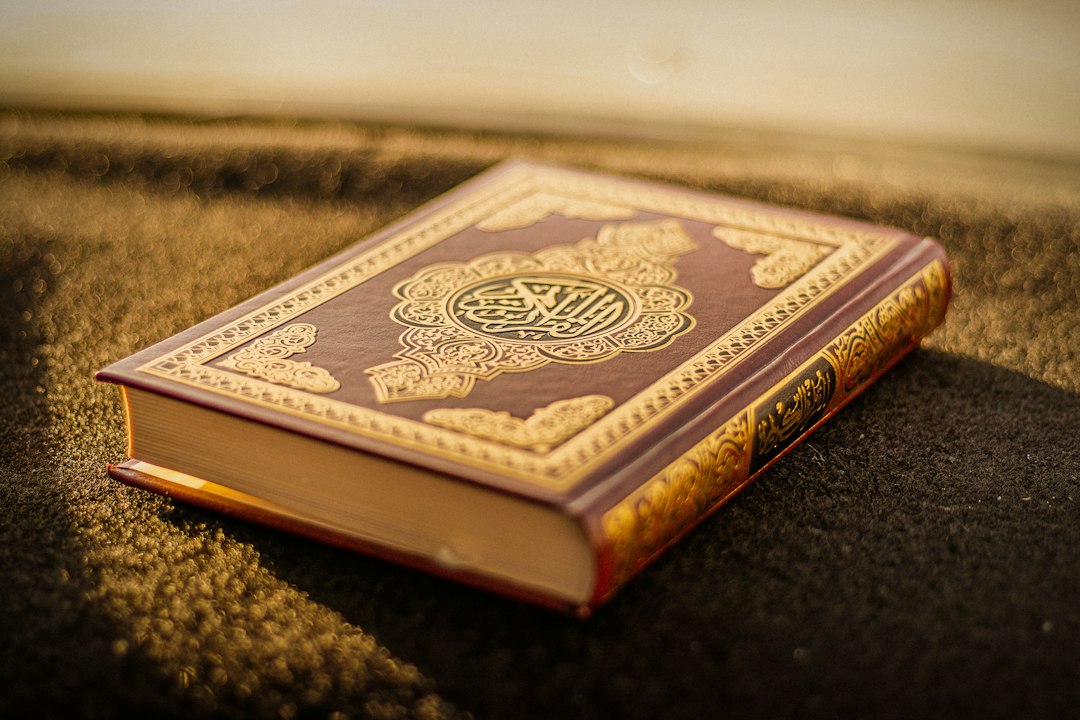
Around 2000, he spent roughly a year in county jail on a robbery case. There he read the Qur’an intensively. He said the reading led him to reconsider some earlier teachings and that he found in Sunni Islam a way to worship God directly. In his account, this was the intellectual turning point, but the direct source does not place his shahada on a specified day inside the jail.
His 2009 interview places the next step after release: he left jail and then took the shahada, formally declaring his adherence to Islam. The text gives no day or month, so the responsible wording is “after his release, around 2000.” Later reports compressed the story into conversion while incarcerated. They support the centrality of that period but do not displace the more precise sequence he gave himself.
The Jacka did not portray life after the shahada as spotless. He spoke plainly about returning to crime in later years and about his responsibility before God for his actions. In an interview conducted in 2011 and published after his death, he said prayer, asking forgiveness and thanking God gave him balance, and he described himself at that dated moment as a Sunni Muslim. This is historical testimony, not a judgment on his inner state or an acquittal of what he did.
Islam also shaped how he spoke about music and the people around him. He said Qur’anic recitation influenced his voice, and that shared faith drew him closer to the rapper Freeway more than music or money did. In that interview he also spoke of his children, siblings and friends as Muslims, without presenting his own story as a claim to personal perfection.
The journey contains three stages that should not be collapsed: a child’s attraction to visible unity, study that corrected an incomplete understanding, and a deliberate decision expressed through the shahada. Its value lies in that unpolished honesty. For him, faith did not erase responsibility for contradiction; it made the contradiction easier to see and to answer for.
Sources
- Garrett Caples / San Francisco Bay Guardian — Tears of a thug, 10 June 2009
- David Drake / Pitchfork — The Jacka: An Interview, 3 February 2015; interview conducted March 2011
- Nastia Voynovskaya / KQED — An Art Show and Documentary Explore The Jacka’s Music, Life and Spirituality, 26 January 2024; updated 2 February 2024