
Tonje Hagen: From a Small Norwegian Town to Reading the Quran
Tonje Marie Djupevik Hagen grew up in a small Norwegian town with several churches and no mosque. Christianity was familiar at home and at school: her family prayed in the evenings, she sometimes attended Sunday school, and she considered herself Christian without having to examine that identity as a child. Yet an old question remained with her: what purpose should a life be built around?
At eighteen, the question became practical. For several days she went out with paper and pen to think about creation, God, the future, and what would be worth passing on to a family she might one day have. Simple encounters with people who possessed little but still showed gratitude deepened that concern. They did not amount to a new religious conclusion, but they made the search for a responsible meaning of life more urgent.
During her final year of high school, a Muslim friend asked her about the Trinity and where it appeared in the Bible. Tonje did not have a detailed answer, so she began reading the Gospels for herself and returned to church. At first, the questions were making her a more investigative Christian, not pushing her toward a hurried decision about Islam.
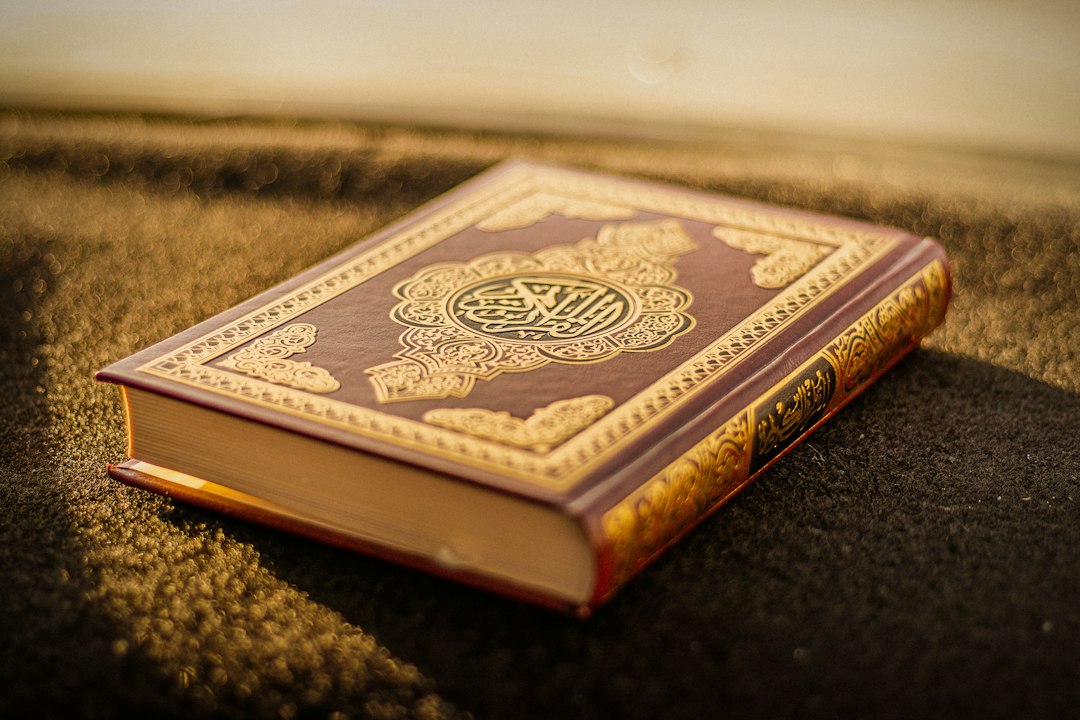
As the reading continued, she found that it did not resolve her objections. She then bought a Norwegian translation of the Quran, read introductory material, and took an online course about Islam. She was drawn to the Quran’s direct treatment of God, guidance, and accountability. The story of Joseph and the invitation to reflect connected intellectual inquiry with the question of purpose she had carried since childhood.
One practical barrier remained: she thought she needed to master prayer and every requirement before she could become Muslim. A lesson on gradual learning helped her understand that change did not require instant perfection. This did not replace the investigation; it removed a condition she had imposed on herself after the central belief had already become convincing.
After finishing the Quran translation, she wrote that she had no reason left to postpone her decision. Her account gives 17 June 2011 as the date of her shahada and describes her as nineteen at the time. [Source]
In her dated testimony, she described the period after the decision as continued learning and an understanding that worship is learned step by step. Later work published under her full name provides a verifiable public identity, but it is not used to judge her private religious state today. The clearest educational value of her story is that honest questions need not be rushed, while commitment need not wait for the learner to become perfect.
Sources
- Tonje Hagen — How I Came to Islam, Part I (named first-person account)
- Tonje Hagen — How I Came to Islam, Part III: The Quest for Truth Leads to Shahada (named first-person account)
- Tamil Islamic Audio — The only Hijab in a Norwegian Village (republished continuous account)
- University of Agder repository — 2017 master's thesis by Tonje Marie Djupevik Hagen (public-name identity)